Car Headlights Dimmer Than Usual? Common Causes

Headlights that seem noticeably weaker than they used to be can point to more than ageing bulbs. If both lights become dim at idle, lose brightness when other electrical systems are switched on or remain consistently dull while driving, the cause may involve the battery, charging system, wiring or connections supplying the headlights.

It also helps to separate dim headlights from lights flickering, because the two symptoms can point toward different types of electrical faults. Dimming usually involves reduced or inconsistent voltage reaching the lights, while flickering tends to involve a supply that is repeatedly changing or being interrupted. Paying attention to when the brightness drops can help narrow down which part of the electrical system needs checking.
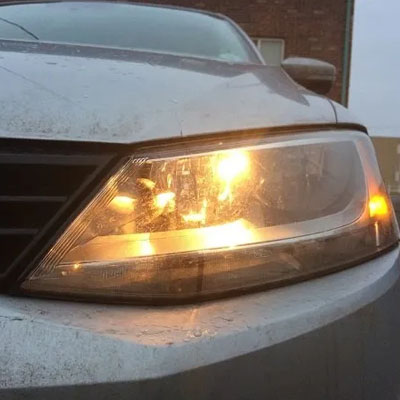
When Do the Headlights Become Dim?

The timing of the brightness drop can give a useful clue about what is affecting the headlight circuit. If the lights become weaker while the engine is idling, the charging system may not be maintaining the same voltage it does at higher engine speeds. Dimming that appears when the demister, blower fan, wipers or other accessories are switched on can also suggest the electrical system is struggling under additional load.

Headlights that stay dim all the time may point more toward ageing bulbs, poor connections or voltage drop through the wiring, while brightness that changes only in certain driving conditions can indicate a supply issue elsewhere in the system. Noting when the problem occurs helps separate a constant headlight fault from one linked to charging performance or electrical demand.

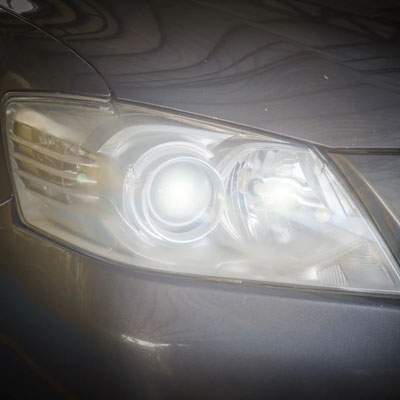
Car Headlights Dimmer Than Usual? Common Causes - Dimmed headlights

Common Reasons Headlights Become Dim

Several faults can reduce the voltage reaching the headlights or limit how effectively the electrical system supports them. Some are simple lamp-related issues, while others come from the charging system, wiring or connections supplying the circuit.

Common causes include:

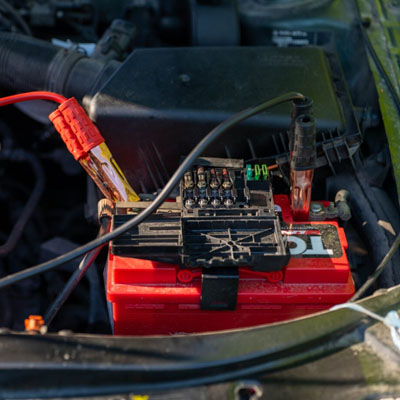
Car Headlights Dimmer Than Usual? Common Causes - Weak battery

If both headlights are affected at the same time, the problem is less likely to be two bulbs failing together and more likely to involve a shared supply, earth or charging issue. That makes the wider electrical system worth checking rather than treating the problem as a simple globe replacement.

Headlights That Dim at Idle

Headlights that become noticeably dimmer while the engine is idling can point to a charging system that is not maintaining the same voltage it does at higher engine speeds. The effect may be more obvious when other electrical loads such as the blower fan, demister or air conditioning are operating at the same time. In that situation, the headlights can become one of the first visible signs that the electrical supply is struggling under load.

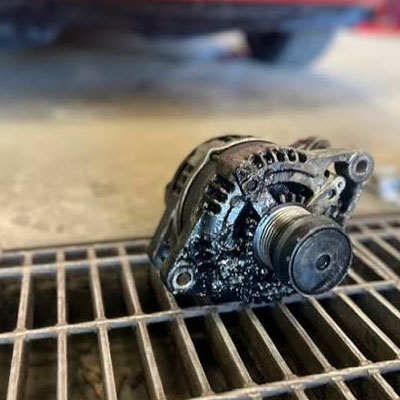
An alternator or charging-system problem does not always cause a complete charging failure straight away. Output can become marginal at low engine speed before the problem is obvious elsewhere, particularly if the battery is already weak or there is resistance in the wiring. Checking charging voltage at idle and under load can help confirm whether the dimming is linked to alternator performance or another part of the supply circuit.

Car Headlights Dimmer Than Usual? Common Causes - Defective alternator

What if the Headlights Dim When Accessories Are Used?

Headlights that lose brightness when the blower fan, rear demister, wipers or other accessories are switched on can indicate that the electrical system is struggling to support the extra demand. A healthy charging system should handle normal vehicle loads without causing a major drop in headlight output. If the lights become noticeably weaker each time another electrical system is used, the issue may involve charging performance, battery condition or resistance somewhere in the main power supply.

The pattern can also help show whether the problem is tied to one accessory or to electrical load more generally. If several different systems cause the same dimming, the fault is more likely to involve the vehicle’s overall voltage supply rather than the accessory itself. Testing the charging system under load can help confirm whether the problem is coming from the alternator, battery or a high-resistance connection.

Car Headlights Dimmer Than Usual? Common Causes - Dimmed headlights while driving

When Both Headlights Are Dim

If both headlights lose brightness at the same time, the problem is less likely to be two separate bulb failures and more likely to involve something shared by both sides of the circuit. A weak charging supply, poor main earth or voltage drop through common wiring or connectors can reduce the power reaching both headlights together. This is especially relevant when the dimming changes with engine speed or electrical load.

The same pattern can also appear when battery voltage is unstable or the charging system is already under strain. If both headlights remain dull even after the bulbs have been checked, the next step is usually to test the shared power supply, earth points and main connections feeding the circuit. A voltage drop in any of those areas can reduce headlight output across both sides rather than affecting just one lamp.

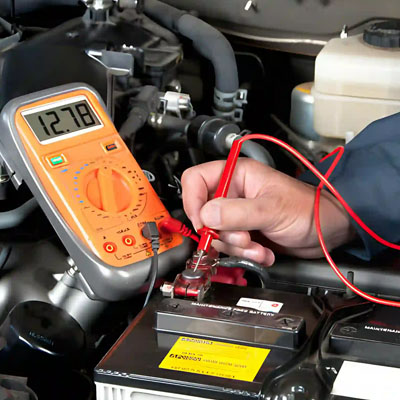
Car Headlights Dimmer Than Usual? Common Causes - Battery testing

When the Headlight Circuit Needs Testing

The headlight circuit should be tested when the dimming keeps returning, becomes more noticeable under electrical load or appears alongside other symptoms such as slow cranking, warning lights or battery or starting problems. At that point, the issue may involve more than the bulbs themselves and could be linked to charging voltage, poor earths or resistance in the wiring and connections feeding the lights. Testing the circuit under normal operating conditions can show whether the headlights are receiving the voltage they need.

A trusted auto electrician can check charging performance, battery condition, voltage drop and the headlight supply to identify where the loss is occurring. This is particularly useful when the dimming affects both headlights or changes with engine speed, because those patterns often point to a wider electrical supply issue rather than a single lamp fault. Proper testing helps confirm whether the cause is in the charging system, wiring, earths or another part of the circuit.

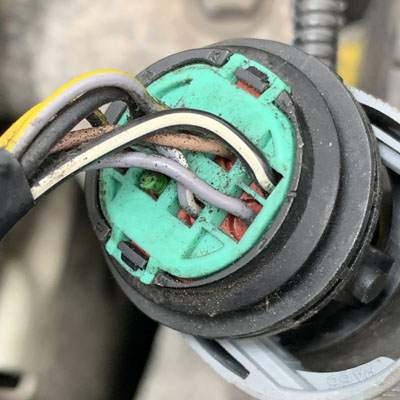
Car Headlights Dimmer Than Usual? Common Causes - Headlight wiring

Get Your Headlights Back to Full Brightness

If your headlights are dimmer than usual, the cause may be in the bulbs, charging system, battery, wiring or earth connections supplying the circuit. Bashi’s Auto Electrical can test the headlight supply, check charging performance and identify where voltage is being lost before unnecessary parts are replaced.

We provide mobile and workshop auto electrical servicing across Brisbane, Moreton Bay and the Sunshine Coast. Call 07 5495 7333 or click here to contact us online to arrange testing.

Frequently Asked Questions: Dim Headlights

Headlights can become dimmer at idle if the charging system is producing less voltage at low engine speed, especially when other electrical loads are operating. If the brightness improves when the engine revs increase, the alternator, battery or main electrical connections may need checking.

Yes. A weak battery can contribute to unstable voltage, particularly when the engine is idling or several electrical systems are being used at once. If dim headlights appear alongside slow cranking or other starting problems, the battery and charging system should be tested together.

Yes. An alternator that is not maintaining the correct charging voltage can cause headlights to lose brightness, particularly at idle or under heavier electrical load. Other symptoms may include warning lights, battery problems or accessories behaving inconsistently.

The blower fan, demister and other accessories increase electrical demand. If the headlights become noticeably dimmer when those systems are switched on, the charging system or main power connections may not be supporting the additional load properly.

Not necessarily. When both headlights become dim at the same time, a shared supply, earth or charging-system problem is more likely than two bulbs failing together. The circuit should be tested before both lamps are replaced.