What Causes a Burning Smell in a Car?

A burning smell in a car can come from several areas, but a sharp smell like hot plastic or burnt wiring often points to an electrical component or connection overheating. The smell may appear around the dashboard, centre console or engine bay, particularly when the fan, lights, USB port, 12V accessories or another electrical system is operating. Even when there is no visible smoke, continuing to use the affected system can allow heat and damage to build.

Paying attention to when and where the smell appears can help narrow down what needs to be checked. A car that smells like burning plastic when an accessory is switched on may have damaged wiring, a loose terminal, an overloaded circuit or a component beginning to fail. The source should be inspected before the system is used again, especially when the smell returns, an accessory stops working or a fuse also begins to fail.

How Electrical Faults Create a Burning Smell

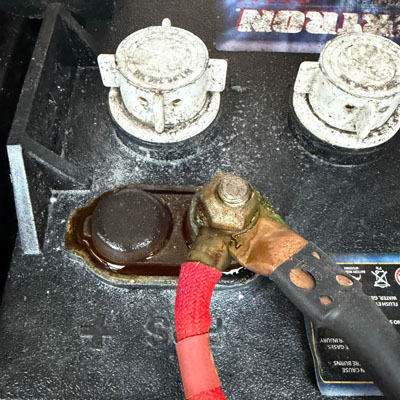
Electrical heat can build when a connection becomes loose, a wire is damaged or a component begins drawing more current than the circuit is designed to carry. A poor terminal may still allow power through, but the added resistance can create enough heat to soften plastic housings, damage insulation or leave a noticeable burnt wiring smell. This can happen before the circuit fails completely or a fuse blows.

An electrical burning smell in a car may also come from a motor, relay, fuse holder or accessory that is overheating during use. The smell may disappear when the system is switched off, then return the next time the same fan, light or accessory is operated. Repeated heat can damage nearby wiring and connectors, so the source should be checked rather than waiting for the affected system to stop working.

What Causes a Burning Smell in a Car - Burnt connection

Common Electrical Sources of a Burning Smell

A burning smell may come from any part of the vehicle where wiring, terminals or electrical components are generating too much heat. The source is often linked to a circuit that is under load, which is why the smell may only appear when a particular system or accessory is operating. Several areas are worth checking when the odour resembles hot plastic or burnt insulation.

The system being used when the smell starts can provide an important clue. A smell that appears after connecting an accessory should be approached differently from one that begins near the engine bay or only when the cabin fan is running. Identifying that pattern can make it easier to focus testing on the circuit most likely to be overheating.

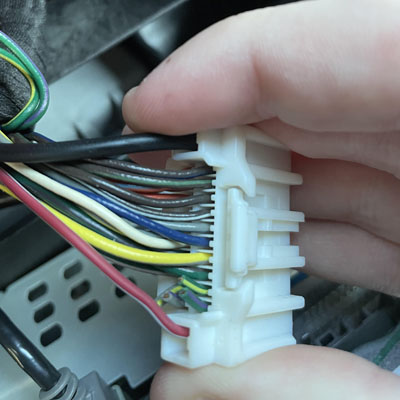
What Causes a Burning Smell in a Car - Damaged wiring

Pay Attention to When the Smell Appears

The timing of the smell can help narrow down which electrical system needs attention. A burning smell that starts when the cabin fan is running may involve the blower motor, resistor or wiring behind the dashboard, while a smell that begins after plugging something into a USB port or 12V accessory socket may be linked to the charger, socket or shared accessory circuit. If it appears when the headlights or another high-load system is switched on, an overheated terminal or weak connection may be struggling under the added demand.

Smells that develop shortly after starting the engine or during longer drives may be connected to the charging system, wiring in the engine bay or a component heating gradually as it operates. Switching off the system that appears to trigger the smell may stop it temporarily, but that does not repair the underlying fault. Noting what was operating when the smell began gives an auto electrician a clearer starting point for testing.

What Causes a Burning Smell in a Car - Overheated terminal

A Blown Fuse Does Not Always Remove the Risk

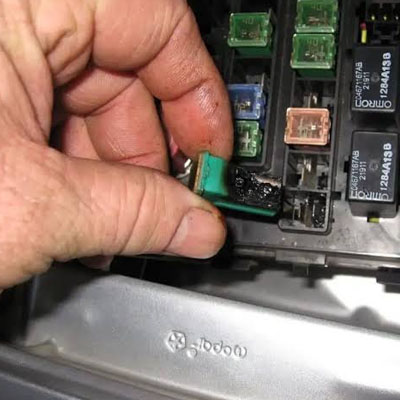
A fuse is designed to cut power when current rises beyond the level the circuit is meant to carry, but not every overheating fault will trigger it immediately. A loose terminal, damaged connector or poor contact can create localised heat while the circuit continues to operate, which is why a burning smell may appear before an accessory stops working. In some cases, the plastic housing or insulation can begin to soften even though the fuse remains intact.

If the vehicle keeps blowing the same fuse, that repeated failure is a clear sign that the circuit needs attention. However, the absence of a blown fuse should not be treated as proof that everything is safe, particularly when there is a recurring smell, visible discolouration or heat around a socket or connector. The wiring and connections still need to be tested to confirm where the temperature is building.

What Causes a Burning Smell in a Car - Blown fuse

What to Do When You Notice a Burning Smell

If a burning smell appears while driving, switch off the fan, accessory or electrical system that seems to trigger it as soon as it is safe to do so. Pull over if the smell becomes stronger, smoke appears or the affected area feels unusually hot. Plug-in chargers and removable 12V accessories should be disconnected, while the affected system should remain switched off until the source has been checked.

A trusted auto electrician should inspect the vehicle when the smell returns, an accessory stops working, wiring or connectors appear melted, or heat is building around a socket, fuse holder or electrical component. Testing may involve checking the circuit load, wiring condition and terminals to identify where the overheating is occurring. Continuing to use the circuit or repeatedly replacing fuses can allow the damage to spread beyond the original fault.

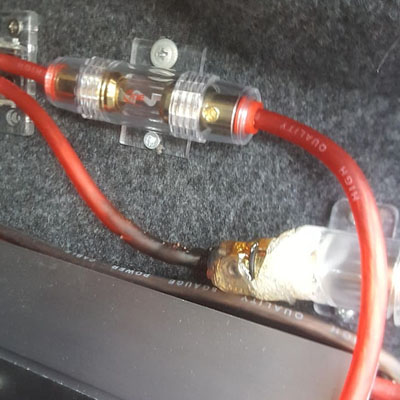
What Causes a Burning Smell in a Car - Melted wiring connection

Get the Source of the Burning Smell Checked

A recurring burning smell should be checked before heat damages more of the vehicle’s wiring, connectors or electrical components. Bashi’s Auto Electrical can test the affected circuit, locate overheated connections and repair the fault causing the smell. Call 07 5495 7333 or click here to contact us online for auto electrical testing across Brisbane, Moreton Bay and the Sunshine Coast.

FAQ: Burning Smell in Cars

Electrical overheating often produces a sharp smell similar to hot plastic, burnt insulation or melted wiring. It may appear near the dashboard, centre console or engine bay and become stronger when a particular fan, light or accessory is operating.

Yes, a loose terminal can create resistance and heat while still allowing the circuit to work. Over time, that heat can damage the connector housing, insulation or nearby wiring and produce a noticeable burning smell.

A burning smell that appears with the cabin fan may be connected to the blower motor, resistor, wiring or a connector behind the dashboard. The fan should be switched off until the system can be inspected, particularly if the smell returns or the airflow becomes unreliable.

An overheating alternator, damaged charging cable or poor connection in the charging system can produce a burning smell around the engine bay. Other symptoms may include warning lights, charging problems or unusually hot wiring near the alternator.

A recurring burnt-wiring smell should not be ignored, especially when it is accompanied by smoke, heat, flickering power or failed accessories. Switch off the system that appears to trigger it and stop safely if the smell becomes stronger or smoke is present.