Bad Spark Plugs or Ignition Coils? What’s Causing the Misfire?

When a car begins misfiring, running roughly or hesitating under acceleration, the ignition system is one of the first areas that may need attention. Bad spark plugs or ignition coils can produce very similar symptoms because both are involved in creating the spark needed for combustion. A fault in either can leave one or more cylinders firing inconsistently, affecting engine performance and fuel use.

The symptoms can range from a slightly uneven idle through to noticeable power loss, difficult starting or a check engine light. Some ignition faults become more obvious when the engine is under load, while others may gradually worsen as spark plugs wear or a coil begins to fail. Checking the ignition system properly helps determine whether the problem is coming from the plugs, coils or another part of the circuit before parts are replaced unnecessarily.
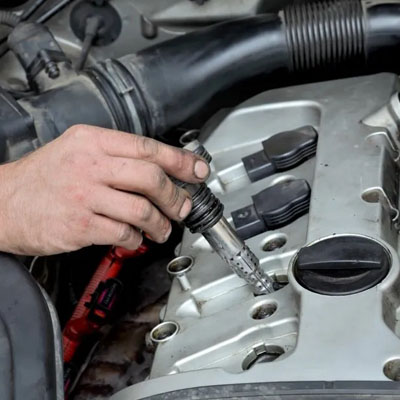
Spark Plugs and Ignition Coils Work Together

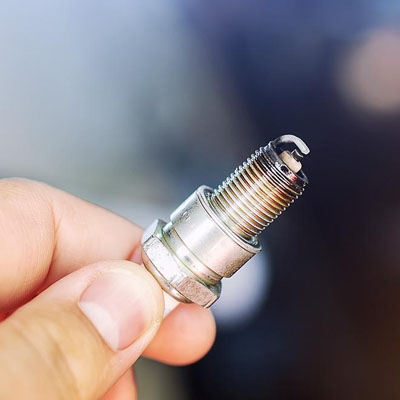
Spark plugs and ignition coils perform different jobs, but both are part of the same ignition process. The ignition coil supplies the high voltage needed to create a spark, while the spark plug delivers that spark inside the cylinder so the air and fuel mixture can ignite. If either component is worn or failing, combustion can become inconsistent and the engine may begin to misfire.

A worn spark plug can require more voltage to fire properly, placing additional strain on the ignition coil, while a weak coil may no longer provide enough voltage for a reliable spark. This close relationship is one reason spark plug misfires and an ignition coil fault can produce similar symptoms. Testing the ignition system helps separate the two before replacing components unnecessarily.

Bad Spark Plugs or Ignition Coils - Spark plug

Signs That Can Point to a Spark Plug or Coil Problem

Spark plug and ignition coil faults can show up in several ways, and the symptoms often overlap. A single misfiring cylinder may be enough to make the engine feel rough, while a more developed ignition problem can affect acceleration, starting and overall performance. The pattern of the symptoms can help indicate when the ignition system needs closer testing.

Common signs include:

  • Rough or uneven idle when the engine is sitting at low speed
  • Hesitation during acceleration, particularly when more power is demanded
  • Loss of engine power under load or when climbing
  • Engine misfires that may come and go or become more frequent
  • Difficult starting when one or more cylinders are not firing cleanly
  • Check engine light triggered by a detected misfire
  • Increased fuel use as the engine runs less efficiently
Bad Spark Plugs or Ignition Coils - Ignition coil problem

These symptoms do not automatically confirm whether the problem is the spark plug or ignition coil, but they are a strong reason to inspect the ignition system. If difficult starting is the main symptom, battery or starting problems may also need to be ruled out before the fault is narrowed down to the plugs or coils. The pattern of the symptoms can then help determine which part of the system needs closer testing.

Signs the Spark Plugs May Be the Problem

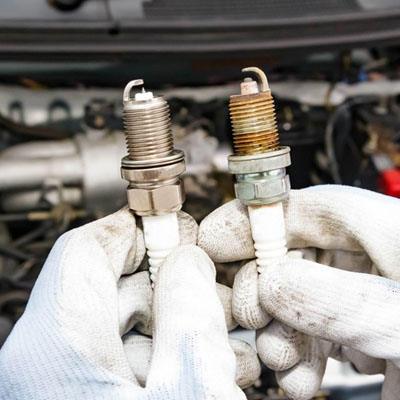
Spark plugs wear gradually, so the symptoms often build over time rather than appearing all at once. As the electrodes wear or the plug gap increases, the spark can become weaker and less consistent, especially when the engine is under load. Fouled plugs can create similar problems if deposits prevent the spark from firing cleanly across the gap.

Signs that point more toward worn or fouled spark plugs can include a misfire that has gradually become more noticeable, rough running after the plugs are overdue for replacement or hesitation that appears across more than one cylinder. The plugs themselves may also show heavy deposits, excessive wear or an incorrect gap when inspected. These issues can make the ignition coils work harder, so leaving worn plugs in place for too long can contribute to further ignition-system problems.

Bad Spark Plugs or Ignition Coils - Good and bad spark plugs

Signs an Ignition Coil May Be Failing

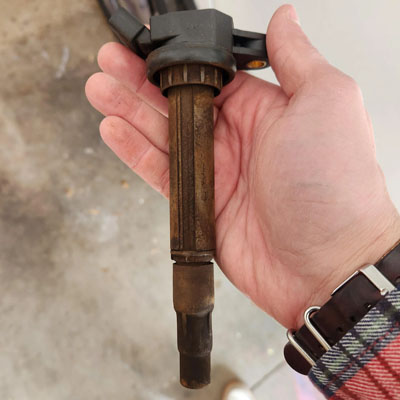
Ignition coil problems can appear more suddenly than worn spark plugs, although some coils begin to fail intermittently before they stop working completely. A weak coil may struggle most when the engine is under load, which can cause hesitation, misfiring or a noticeable loss of power during acceleration. In some cases, the fault may also become worse as the engine heats up.

A failing coil can affect one cylinder consistently or cause an intermittent misfire that comes and goes. If the coil stops producing a strong enough spark, the engine may run roughly, the check engine light may come on and the affected cylinder may stop contributing properly. Because these symptoms can still overlap with worn spark plugs, the coil and plug should be tested together rather than assuming one component is responsible.

Bad Spark Plugs or Ignition Coils - Failing ignition coil

Why the Symptoms Can Be Difficult to Separate

Spark plugs and ignition coils can produce many of the same symptoms because a fault in either can interrupt the spark reaching the cylinder. A weak coil may make a good spark plug appear to be the problem, while a worn plug can force the coil to work harder and make an existing coil fault more noticeable. This is why replacing one component based on symptoms alone does not always solve the misfire.

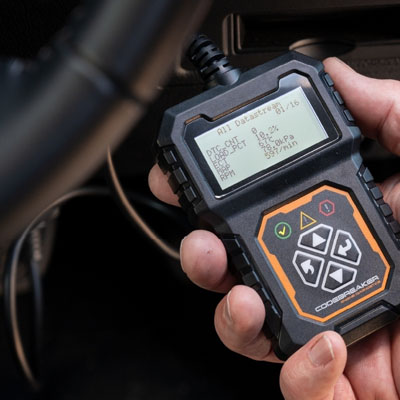
Fault codes can help identify which cylinder is misfiring, but they do not always confirm whether the cause is the plug, coil or another ignition-related fault. Testing the affected cylinder, checking plug condition and comparing coil performance can give a clearer result before parts are replaced. That is particularly useful when the misfire is intermittent or returns after a recent spark plug or coil replacement.

Bad Spark Plugs or Ignition Coils - OBD Reader

When the Ignition System Needs Testing

The ignition system should be tested when the misfire keeps returning, the engine runs roughly under load or the check engine light comes back after parts have already been replaced. A flashing warning light, noticeable power loss or a misfire that becomes worse during acceleration are also signs that the fault needs more than a quick visual check. Leaving an active misfire unresolved can also affect fuel use and place extra strain on other engine components.

A trusted auto electrician can test the spark plugs, ignition coils and related wiring to identify which part of the ignition system is actually failing. This may involve checking fault codes, comparing coil performance and inspecting the affected cylinder before replacement parts are fitted. Proper testing helps avoid changing plugs or coils unnecessarily when the real fault sits elsewhere in the ignition circuit.

Bad Spark Plugs or Ignition Coils - Ignition system testing

Get the Ignition Fault Checked Properly

If your car is misfiring, running roughly or losing power, replacing spark plugs or ignition coils without testing can leave the original fault unresolved. Bashi’s Auto Electrical can check the ignition system, identify whether the problem is coming from the plugs, coils or related wiring and carry out the repairs needed to restore reliable engine performance.

Call 07 5495 7333 or click here to contact us online for auto electrical fault diagnosis across Brisbane, Moreton Bay and the Sunshine Coast.

Frequently Asked Questions

Both can cause misfiring, rough idle, hesitation and loss of power, so symptoms alone may not identify which component has failed. Checking the spark plugs for wear or fouling, reading fault codes and testing coil performance can help separate a worn plug from an ignition coil fault.

Worn spark plugs can make ignition coils work harder because a larger or inconsistent plug gap may require more voltage to create a reliable spark. Leaving badly worn plugs in place can place additional strain on the coils and contribute to ignition problems over time.

Yes. A failing ignition coil can cause one or more cylinders to misfire, which may trigger the check engine light and store a cylinder-specific misfire code. The code can identify where the misfire is occurring, but further testing may still be needed to confirm whether the coil, spark plug or another component is responsible.

Acceleration places the ignition system under greater load, which can expose a weak coil or worn spark plug that still manages to fire adequately at idle. If the car hesitates, loses power or misfires more heavily under acceleration, the ignition system should be tested rather than relying on symptoms alone.

Not necessarily. Spark plugs are normal service items and may need replacement according to their condition and service interval, while ignition coils are generally replaced when they have failed or testing shows they are no longer performing correctly. Testing first can avoid replacing working coils unnecessarily.