Battery Is Fine but Car Won’t Start? Here’s What Else It Could Be

It’s one of the most frustrating vehicle problems. You turn the key or press the button, and nothing happens. You check the battery, maybe even replace it, but your car still won’t start. When the battery has plenty of charge and you’re still getting no response, the issue almost always lies somewhere else in the electrical or starting system.
Modern vehicles rely on a chain of electrical components to power up and crank the engine. If any link in that chain fails, your vehicle may do nothing, click once, or crank weakly without starting. Identifying the source of the problem takes more than just replacing parts. It requires a clear understanding of how the system works and where power is being lost.
How a Car Starts: The Basics

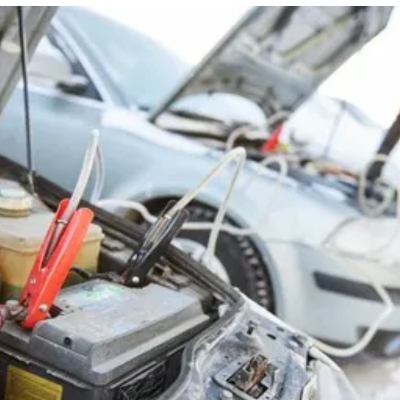
When you start your car, the battery sends power through the ignition switch and starter relay to the starter motor. That motor then turns the engine over, drawing a large amount of current through thick wiring and multiple connectors. Every point along that chain must work correctly to provide enough power to the starter.

Even if the battery is in good condition, anything from a corroded terminal to a faulty relay can prevent the engine from cranking. Because this system is hidden behind panels and controlled electronically, it often takes diagnostic testing to determine where the fault actually is.

Battery Is Fine but Car Won’t Start? Here’s What Else It Could Be

Common Causes of a No-Start Condition When the Battery Is Good

If your battery is fine but the car won’t start, one of these problems may be to blame:

Battery Is Fine but Car Won’t Start? Here’s What Else It Could Be

These faults can occur gradually or without warning. Some produce symptoms like a single click or flickering lights, while others cause complete silence. Either way, accurate diagnosis requires proper testing tools.

How Voltage Drop Can Prevent Your Car from Starting

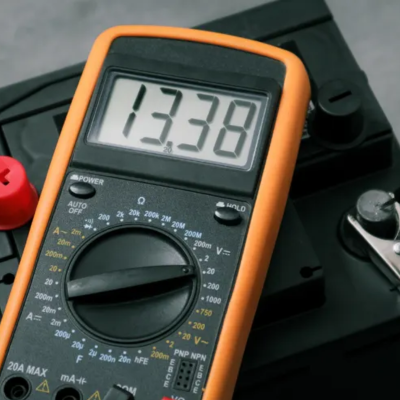
Voltage drop refers to a loss of electrical pressure across a circuit caused by resistance. It often occurs in wires, connectors, or ground points that are worn, corroded, or poorly installed. Even with a good battery, voltage may not reach the starter motor with enough strength to engage it fully.

High-resistance ground points, old terminals, or undersized wiring can all reduce the voltage reaching critical components. This type of fault doesn’t always trigger warning lights and may not be visible without testing. Voltage drop is a common issue in older vehicles or cars that have had electrical work done in the past.

Battery Is Fine but Car Won’t Start? Here’s What Else It Could Be

What to Check Before Calling a Professional

Before you contact an auto electrician, there are a few simple checks you can do that may reveal the problem.

  • Try turning on the headlights: If they dim when you attempt to start, the battery may be weak under load.
  • Check battery terminals and clamps: Make sure they’re clean, tight, and free from corrosion.
  • Listen for clicks or silence: A single click often points to a relay or starter issue, while silence could mean a switch fault.
  • Look for dashboard warnings: Security system icons or blinking lights can indicate the immobiliser is blocking ignition.
  • Confirm gear selector position: Ensure the vehicle is in park or neutral. Some cars won’t start unless these are correctly engaged.

These checks won’t confirm the exact fault, but they can help rule out a few possibilities before seeking professional assistance.

Battery Is Fine but Car Won’t Start? Here’s What Else It Could Be

How an Auto Electrician Diagnoses a No-Start Issue

A qualified auto electrician will begin with a voltage test at multiple points along the starter circuit. They check for power at the battery, ignition switch, relay, and starter motor to identify where voltage is being lost. If all components receive proper voltage but the car still won’t start, the issue may lie with the starter itself.

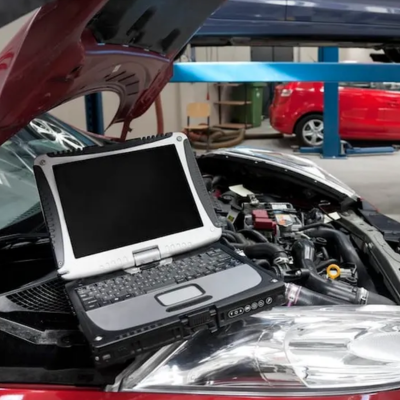
They also test for voltage drop, which can identify high-resistance connections that pass voltage but can’t handle the load required to start the engine. Other diagnostics may include scanning the ECU for fault codes, testing grounds, and checking the immobiliser system for communication errors.

Unlike general mechanics who may replace multiple parts hoping to fix the issue, auto electricians focus on isolating the fault precisely. This saves time, cost, and avoids unnecessary component replacement.

Battery Is Fine but Car Won’t Start? Here’s What Else It Could Be

Battery Fine But Car Still Won’t Start? Get It Tested

When your car won’t start and you know the battery is good, don’t assume the solution is obvious. Electrical issues in the starting system are common and often go unnoticed until they leave you stranded.

At Bashi’s Auto Electrical, we specialise in diagnosing these faults quickly and accurately. Whether it’s a faulty ignition switch, a failing relay, or hidden voltage drop, we’ll track it down. Our mobile team comes to you with the tools needed to get your vehicle started again. Book a diagnostic today by calling 07 5495 7333 or clicking here and skip the guesswork.

FAQ: Car Won’t Start but Battery Is Good

Yes. If the motor is worn or the solenoid is faulty, it may not engage or turn the engine, even with full battery power.

This usually means the starter relay or solenoid is engaging, but the motor isn’t turning due to a mechanical or electrical fault.

Voltage drop is the loss of electrical pressure across a circuit. It prevents full current from reaching the starter, which may stop it from engaging.

Yes. If the ignition switch fails to send a start signal, the relay and starter won’t activate, even if the rest of the system is fine.

Check the battery terminals, headlight response, gear selector position, and listen for any clicks when starting. These can help narrow the issue.