Why Are My Brake Lights Staying On?

Brake lights that stay on after you release the pedal usually mean the circuit is still being told that the brakes are applied. In many cases, the problem comes back to the brake-light switch or the way it contacts the pedal, but wiring faults, damaged connectors or previous electrical work can also keep the lights powered when they should be off.

It is worth getting the problem checked rather than leaving the lights on indefinitely. Apart from confusing other drivers, brake lights that remain illuminated while the vehicle is parked can drain the battery and lead to battery or starting problems later. Noting whether the lights stay on all the time, only after driving or even with the ignition switched off can help narrow down where the fault is coming from.
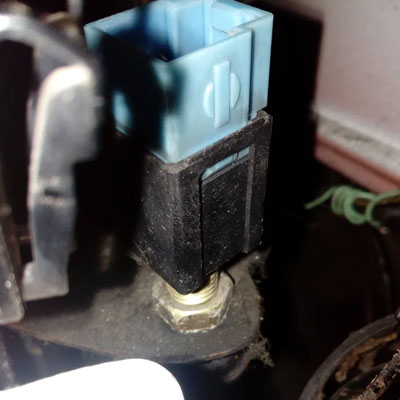
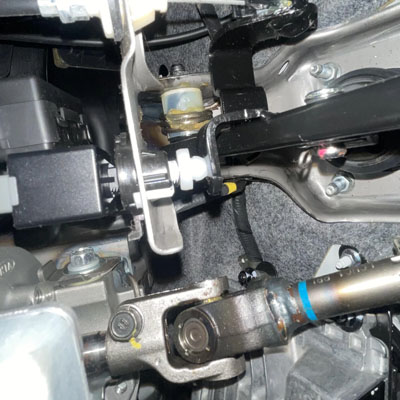
The Brake Light Switch Is a Common Cause

The brake-light switch is one of the first components worth checking when the lights stay on after the pedal is released. The switch is positioned so that pedal movement changes its state, turning the brake lights on when the pedal is pressed and off again when it returns. If the switch sticks, fails internally or moves out of adjustment, it can continue sending the brake-light signal even when the pedal is no longer being used.

A faulty brake light switch can therefore leave the lights illuminated continuously or cause them to behave inconsistently. In some vehicles, the issue is not the switch itself but the small stopper or contact point on the pedal that operates it. If that piece breaks or falls away, the switch may no longer register that the pedal has returned to its normal position.

Why Are My Brake Lights Staying On - Brake light switch

Common Reasons Brake Lights Stay On

The brake-light switch is a common starting point, but it is not the only reason the lights can remain illuminated. The fault may also come from the pedal mechanism, wiring or another part of the circuit that is keeping power or the brake signal active.

Common causes include:

  • A faulty or misadjusted brake-light switch that does not return to its normal position
  • A missing or damaged pedal stopper that prevents the switch from being released
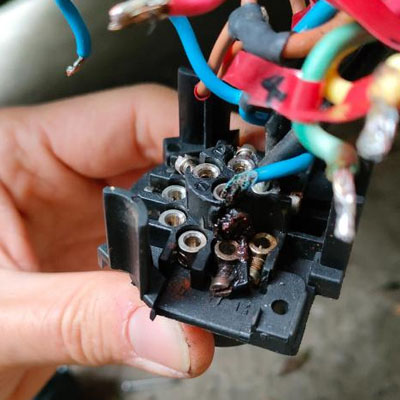
  • Damaged or corroded wiring creating an unintended connection in the brake-light circuit
  • A relay or control fault on vehicles that use electronic control for the brake lights
  • Aftermarket or trailer wiring that has been connected incorrectly or developed a fault

If the lights stay on continuously, the switch and pedal contact are usually worth checking first. If the problem started after electrical work, trailer wiring changes or another accessory installation, the wider circuit may also need to be inspected.

Why Are My Brake Lights Staying On - Defective brake switch stopper

Brake Lights That Stay On After the Car Is Turned Off

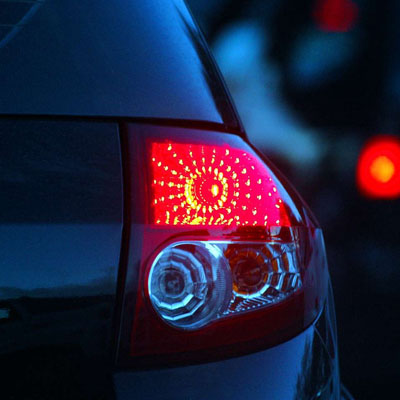
Brake lights can sometimes stay illuminated even after the ignition has been switched off because the circuit may still have a constant power supply. If the brake-light switch remains active, the pedal stopper has failed or the circuit is being back-fed through another connection, the lights can continue drawing power while the vehicle is parked. That can leave the battery noticeably weaker by the next time the car is started.

If the brake lights stay on when the car is off, the fault should be checked rather than relying on the battery to carry the load overnight. Disconnecting the battery may stop the drain temporarily, but it does not correct the switch, wiring or control problem keeping the lights active. The circuit needs to be checked so the lights return to normal operation when the pedal is released.

Why Are My Brake Lights Staying On - Brake lights remaining active

Check Whether the Pedal Is Returning Properly

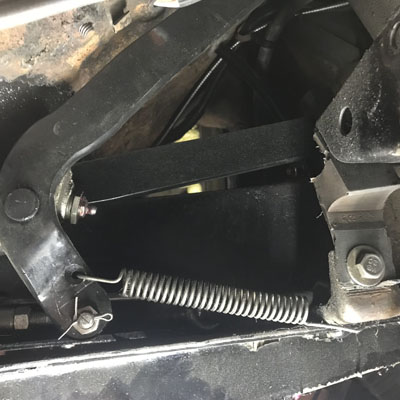
The brake-light switch relies on the pedal returning fully to its normal resting position. If the pedal does not come back far enough, or the stopper that contacts the switch has worn, broken or fallen away, the switch can remain activated even though the brakes are no longer being applied. This can make the brake lights stay on after releasing the pedal despite the switch itself still being capable of working.

A pedal that feels slow to return, sits slightly lower than usual or no longer contacts the switch correctly can therefore create the same symptom as an electrical failure. Checking the pedal movement and switch contact point helps separate a brake pedal switch problem from a fault deeper in the wiring or control circuit.

Why Are My Brake Lights Staying On - Pedal return spring

Could Trailer or Aftermarket Wiring Be Involved?

Brake-light problems can also begin after trailer wiring, a brake controller or another aftermarket electrical accessory has been added to the vehicle. If the wiring has been joined incorrectly, a relay has failed or power is feeding back through the wrong circuit, the brake lights may remain on even when the pedal is released. Problems can also develop later if connectors corrode, wiring rubs through or an earlier repair begins to fail.

If the issue started after towing equipment or other electrical work was installed, the trailer wiring and related connections should be included in the diagnosis. A fault in that part of the system can affect the vehicle’s brake-light circuit even when the trailer is not connected, particularly where both systems share signals or power feeds. Checking those connections can help confirm whether the problem is in the original vehicle wiring or something that was added later.

Why Are My Brake Lights Staying On - Trailer wiring

When the Brake Light Circuit Needs Testing

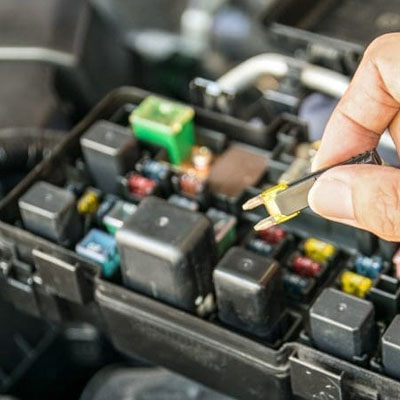
The brake-light circuit should be tested when the lights continue to stay on after the switch and pedal contact have been checked, or when the fault returns without an obvious pattern. Problems involving wiring, control modules, relays or aftermarket connections may not be visible during a basic inspection, particularly if the circuit is being powered or triggered from somewhere it should not be.

A trusted auto electrician can test the switch signal, wiring continuity and voltage through the brake-light circuit to identify what is keeping the lights active. This helps separate a simple switch or pedal issue from a deeper electrical fault and avoids replacing parts that are still working correctly.

Why Are My Brake Lights Staying On - Brake light circuit testing

Get Your Brake Lights Working Properly Again

Brake lights that stay on can drain the battery, confuse other drivers and point to a fault in the switch, pedal contact, wiring or wider lighting circuit. Bashi’s Auto Electrical can test the brake-light system, identify what is keeping the lights active and repair the underlying electrical fault.

We provide mobile and workshop auto electrical servicing across Brisbane, Moreton Bay and the Sunshine Coast. Call 07 5495 7333 or click here to contact us online to arrange brake-light fault diagnosis.

Frequently Asked Questions

A common cause is a faulty or misadjusted brake-light switch, or a damaged pedal stopper that no longer allows the switch to return to its normal position. Wiring faults or aftermarket electrical work can also keep the brake-light circuit active.

Yes. On many vehicles, the brake-light circuit can still receive power with the ignition off. If the switch remains activated or there is a wiring fault, the lights can stay on while the vehicle is parked and gradually drain the battery.

Yes. If the switch leaves the brake lights illuminated continuously, the lights can draw enough power to flatten the battery over time. Fixing the switch or pedal contact issue is necessary rather than simply recharging the battery.

It can. Incorrectly connected trailer wiring, failed relays or wiring faults can interfere with the vehicle’s brake-light circuit and keep the lights active. This is especially worth checking if the problem started after towing equipment or other aftermarket electrical work was installed.

Not necessarily. The switch may be working correctly but not being released because the pedal stopper is damaged or the pedal is not returning fully. Testing the switch and circuit first can confirm whether the switch itself, the pedal contact or another electrical fault is responsible.