Alternator Repair or Replacement: Which Makes More Sense?

Alternator problems do not always point to the same answer. In some cases, repair may be possible if the fault is more limited and the unit is otherwise in reasonable condition. In others, replacement makes more sense because the wear is broader, the reliability is already questionable, or the charging problem is likely to keep coming back.

That is why alternator issues are not best approached as a one-size-fits-all decision. The right option depends on what has actually failed, how the charging system is performing, and whether repairing the unit is likely to give a reliable outcome compared to replacing it altogether.
What the Alternator Is Responsible For

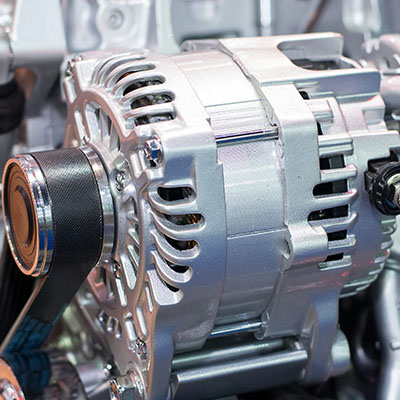
The alternator is responsible for supplying electrical power while the engine is running and for helping keep the battery charged. Once the vehicle has started, the charging system takes over from the battery and supports the electrical demands of the car as it drives.

That role is why alternator problems can affect more than just starting. If the unit is no longer charging properly, the battery may begin losing ground, warning lights can appear, and electrical features may start behaving inconsistently. That broader role makes it easier to judge whether repair or replacement is the better fit for the situation.

Alternator Repair or Replacement - Alternator

Signs the Alternator May Need Attention

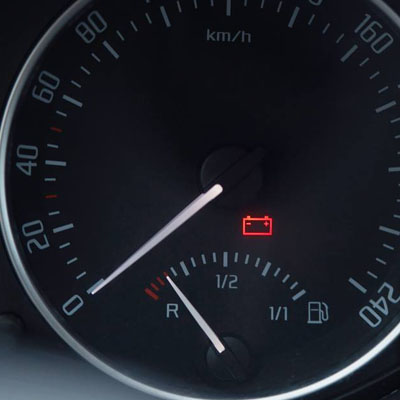
Alternator problems do not always begin with a vehicle that suddenly will not run. In many cases, the signs build gradually as charging performance becomes less consistent and the battery starts carrying more of the load than it should. Some of the more common signs include the following:

When those signs begin showing up together, the issue is often moving beyond a one-off battery problem and into the charging system itself.

Alternator Repair or Replacement - Battery light activated

When Alternator Repair May Be an Option

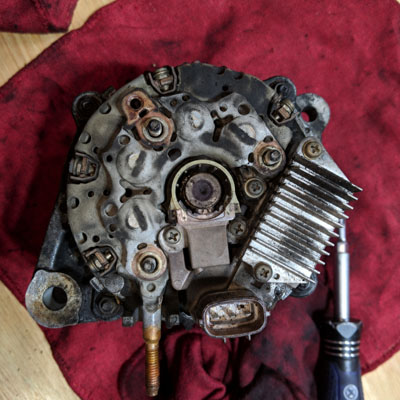
Alternator repair may be an option when the fault is more isolated and the rest of the unit is still in serviceable condition. In that situation, the problem may be linked to a specific component rather than broad wear across the alternator as a whole.

That can make repair a more practical path when the aim is to restore proper charging without replacing the full unit unnecessarily. The key is whether the alternator is otherwise in sound enough condition for that repair to make sense as a reliable outcome rather than just a temporary one.

Alternator Repair or Replacement - Alternator repair

When Replacement Makes More Sense

Replacement usually makes more sense when the alternator has broader wear, the fault is no longer isolated, or the unit has reached a point where reliability is becoming the bigger concern. In that situation, repairing one part may not do much to address the overall condition of the alternator or the risk of further charging problems not long afterwards.

This is often the more practical option when the vehicle needs dependable day-to-day performance and the aim is to avoid repeated electrical issues. If the alternator is already showing signs of heavier deterioration, replacement can offer a clearer long-term outcome than continuing to work around an ageing unit.

Alternator Repair or Replacement - Replacement alternator

What Can Affect the Best Choice

The best choice between alternator repair and replacement usually comes down to more than the fault alone. The age of the unit, the type of failure involved, and the level of reliability expected from the vehicle all influence whether repairing the alternator still makes practical sense. Other factors can shape that decision as well, such as:

  • The age and overall condition of the alternator
  • The type of fault involved
  • The condition of the wider charging system
  • How the vehicle is used day to day
  • Whether the goal is a shorter-term fix or a longer-term outcome

When those factors are looked at together, the decision becomes less about a general rule and more about what makes sense for that specific vehicle and charging issue.

Alternator Repair or Replacement - Alternator testing

Proper Diagnosis Before Choosing Repair or Replacement

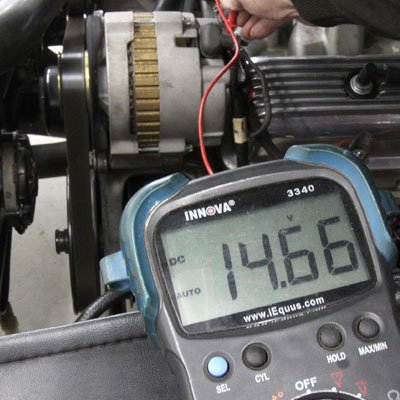
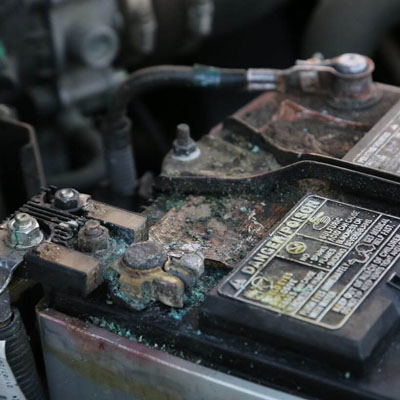
Alternator symptoms can overlap with other charging-system faults, which is why the decision should not be based on assumption alone. A flat battery, warning light, dimming lights, or inconsistent charging can all point toward the alternator, but those same signs can also be influenced by battery condition, wiring faults, or other issues within the system.

That is why advice from a trusted auto electrician makes a difference before deciding whether repair or replacement makes more sense. With a large range of alternators available in both new and second-hand options, along with decades of experience refurbishing alternators, the right assessment can help match the recommendation to the actual fault. That makes it easier to judge whether the alternator is a good repair candidate or whether replacement is the more practical and reliable option.

Alternator Repair or Replacement - Poor condition battery

Get Alternator Problems Sorted Properly

If your vehicle is showing signs of charging trouble, the answer is not always automatic replacement and it is not always repair either. The right approach depends on what has actually failed, how the charging system is performing, and whether the alternator is still a sensible candidate for a reliable repair.

At Bashi’s Auto Electrical, we can inspect alternator and charging-system problems and help work out whether repair or replacement makes more sense for the vehicle. Call 07 5495 7333 or click here to contact us online if you need mobile auto electrical help across Brisbane, Moreton Bay, or the Sunshine Coast.

FAQ: Alternator Repair vs Replacement

That depends on the condition of the alternator and the type of fault involved. If the problem is more isolated and the unit is otherwise in good condition, repair may be a reasonable option. If the alternator has broader wear or reliability is already in question, replacement often makes more sense.

In some cases, yes. A failing alternator may be repairable if the fault is limited and the rest of the unit is still serviceable. The decision depends on whether the repair is likely to provide a reliable outcome rather than a short-term fix.

Replacement usually becomes the better option when the alternator has wider wear, the fault is no longer isolated, or the unit is unlikely to remain reliable even after repair. This is often the more practical path when consistent charging performance is the priority.

A reconditioned alternator can be worth considering in the right situation, but its value depends on the quality of the work, the condition of the unit, and what level of reliability is expected from the vehicle. That is why the charging system should be assessed properly before deciding what option makes the most sense.

Yes. Alternator symptoms can overlap with battery faults, wiring issues, and other charging-system problems. Having the system checked properly helps confirm whether the alternator is the real issue and whether repair or replacement is the better path.