Brake Lights Not Working? It Might Be More Than a Bulb

When your brake lights stop working, the problem is more serious than just an inconvenience. Brake lights are essential for letting other drivers know when you are slowing down or stopping, and without them, you greatly increase the risk of an accident. Many people assume a failed bulb is always to blame, but that is not always the case, especially in modern vehicles that rely on more than just a simple filament.

Today’s cars use a combination of bulbs, wiring, switches, and sometimes electronic control modules to operate brake lights. When any one of these parts fails, the system stops working properly, and replacing the bulb alone will not solve the issue. That is why a brake light problem should always be treated as an urgent repair and not just a quick swap of parts at home.

Safe Driving Starts with Your Brake Lights

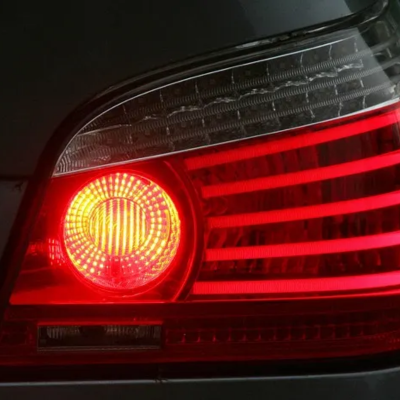
Brake lights play a vital role in keeping the roads safe by giving following drivers the warning they need to slow down or stop in time. Without this signal, the risk of being rear-ended increases dramatically, particularly in heavy traffic, poor weather, or night driving when visibility is already reduced. They are one of the most basic but critical safety features on every vehicle, and their reliability directly impacts the safety of everyone on the road.

They are also a legal requirement in Australia and many other regions. Driving with faulty brake lights can result in fines, defect notices, and even difficulties with insurance if you are involved in an accident. Keeping your brake lights in good working order is not only about convenience, it is about meeting your legal obligations and protecting yourself, your passengers, and other road users.

Brake Lights Not Working? It Might Be More Than a Bulb

Common Causes Beyond a Blown Bulb

When your brake lights are not working, it is easy to assume that the bulb has failed. In reality, there are several other issues that can cause the same symptom. Some of these problems are simple, while others are buried deeper in the vehicle’s electrical system and need proper testing to confirm.

  • A blown fuse that cuts power to the brake light circuit.
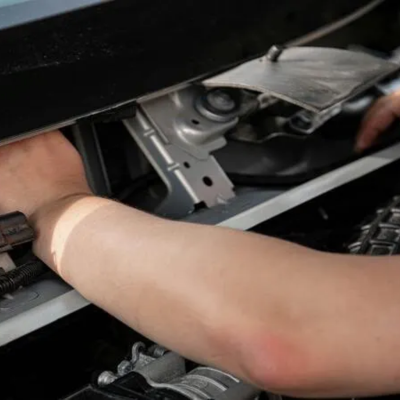
  • A faulty brake light switch located near the brake pedal.
  • Damaged wiring or connectors that interrupt the flow of current.
  • Corroded lamp sockets that prevent good contact between the bulb and the circuit.
  • A failed control module in modern vehicles that manage lighting electronically.
Brake Lights Not Working? It Might Be More Than a Bulb

While some of these faults can be checked visually, others require diagnostic tools to trace. What looks like a simple bulb failure is often the result of an electrical issue elsewhere, which is why replacing bulbs alone does not always restore brake lights.

Signs the Problem Is Electrical, Not Just a Bulb

When all of your brake lights stop working at the same time, it is usually not the bulb that is at fault. Bulbs typically fail one by one, so a complete loss points to something deeper in the electrical circuit. Another strong sign is when you replace a bulb and the new one still does not work, which suggests that the power supply itself is interrupted somewhere in the system.

Other symptoms can provide further clues. Brake lights that flicker, stay on constantly, or only work intermittently often indicate wiring or switch faults rather than failed bulbs. In some vehicles, a faulty brake light circuit can also trigger warning messages on the dashboard or prevent cruise control from engaging. These issues may appear minor at first but point to problems that need proper electrical testing to confirm and repair.

Brake Lights Not Working? It Might Be More Than a Bulb

Why DIY Fixes Can Be Tricky

When brake lights fail, many drivers try to solve the problem themselves by swapping bulbs, pulling fuses, or even testing wires at home. While this might seem like a good way to save money, modern vehicles have far more complex electrical systems than older cars. Guessing at the cause without the right tools often wastes time and can leave the real fault unresolved.

There are also risks when handling wiring and electrical components without proper knowledge. Incorrect testing can damage control modules, short out circuits, or create new faults that are more expensive to repair. Because brake lights are a safety-critical system, the best option is to have them inspected by an auto electrician you can trust who can test the circuit correctly and repair it with confidence.

Brake Lights Not Working? It Might Be More Than a Bulb

How an Auto Electrician Diagnoses Brake Light Problems

An auto electrician follows a clear process to track down the real cause of brake light failures. Rather than swapping parts at random, each step is designed to test and confirm the system properly:

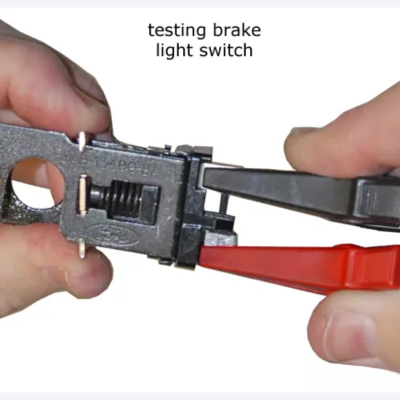
  • Brake light switch testing – checking the switch near the brake pedal to confirm it sends the correct signal when pressed.
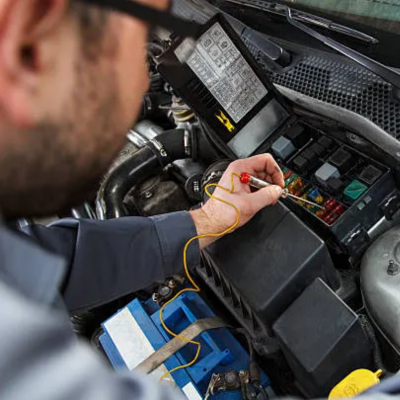
  • Fuse and power supply checks – making sure current is reaching the brake light circuit.
  • Wiring and connector inspections – looking for damage, corrosion, or loose contacts that can interrupt power flow.
  • Socket and lamp holder checks – ensuring the bulb seats properly and current is not blocked by corrosion.
  • Control module scanning – on newer vehicles, reading fault codes that indicate electronic issues affecting the brake lights.

By following this process, the true cause of the problem can be identified quickly and repaired correctly. This avoids wasted money on parts you don’t need and ensures your brake lights are safe and reliable again.

Brake Lights Not Working? It Might Be More Than a Bulb

Book Brake Light Repairs with Bashi’s

When your brake lights are not working, it is often more than just a simple bulb replacement. Electrical faults such as bad switches, damaged wiring, or failed fuses can leave the entire system inoperative, and that puts both your safety and compliance at risk. Driving without brake lights increases the chance of an accident and can result in fines or roadworthy issues.

At Bashi’s Auto Electrical, we provide expert testing and repairs to restore your brake light system quickly and correctly. Call us today on 07 5495 7333 or click here to arrange a mobile service. Our team will identify the real cause of the problem and get your lights working again so you can drive with confidence.

FAQ: Brake Light Problems

If every brake light fails together, it usually means the fault is deeper in the circuit rather than the bulbs. A blown fuse, a faulty brake light switch near the pedal, or a wiring fault can cut power to the entire system. In modern cars, a failed lighting control module can also cause a total brake light failure.

Yes. The brake light switch is a small but essential part that completes the circuit when you press the pedal. If it fails, the brake lights may not turn on at all, even though the bulbs and wiring are fine. Because it is located near the pedal, it can also be subject to wear and misalignment over time.

Driving with only one working brake light is not recommended. Other drivers may not see your signals clearly, which increases the risk of being rear-ended. Even if only one light has failed, it is still a defect that can result in fines and may affect your insurance if an accident occurs.

Intermittent faults are often caused by loose wiring, corroded sockets, or a failing switch. These problems can be harder to diagnose because the lights may work during one trip but fail on the next. Professional electrical testing is usually needed to track down the fault and restore reliable operation.

Costs depend on the cause of the problem. A simple fuse replacement may be inexpensive, while diagnosing and repairing wiring or replacing a switch can take more time. If a control module is involved, repairs can be more complex. A proper inspection by an auto electrician will give you a clear idea of the cost before repairs begin.