Why Does Trailer Power Cut In and Out While Driving?

Trailer power that works while parked but cuts in and out once you start driving usually points to an intermittent electrical connection rather than a complete loss of supply. The trailer lights, electric brakes, fridge, battery charging system or another powered accessory may operate normally during a quick check, then lose power as soon as vibration, movement and road conditions begin placing strain on the connection.

That can make the problem frustrating to track down, particularly when everything appears to be working again by the time the vehicle stops. Loose terminals, damaged wiring, worn plugs, poor earth connections and faults in the vehicle-side supply can all interrupt trailer power while driving. Checking the full connection between the tow vehicle and trailer is usually the most practical way to identify where the power is dropping out.
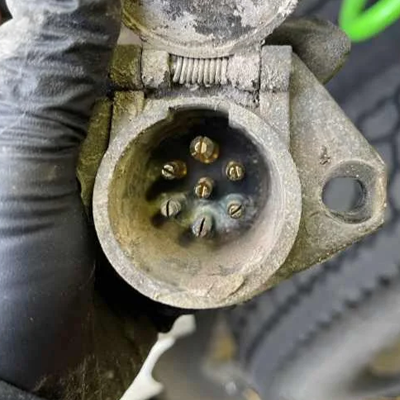
Movement Can Expose a Weak Electrical Connection

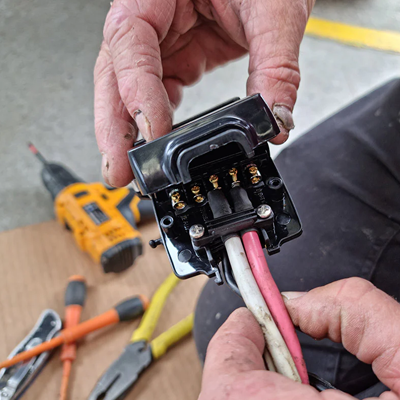
A trailer electrical connection may appear secure while the vehicle is stationary, then begin cutting out once the trailer starts moving over bumps, corners and uneven road surfaces. Vibration can shift a loose terminal, worn plug pin or damaged section of wiring just enough to interrupt the circuit for a moment before contact is restored. This is why intermittent trailer power can be difficult to reproduce during a basic check in the driveway.

Wiring near the drawbar, coupling and plug is particularly exposed because it moves every time the vehicle turns or the trailer changes position. Over time, repeated bending can weaken conductors inside the insulation, while strain on the plug can loosen terminals that still look normal from the outside. A connection that only fails under movement needs to be tested with the wiring and plug in the same positions they reach while the trailer is in use.

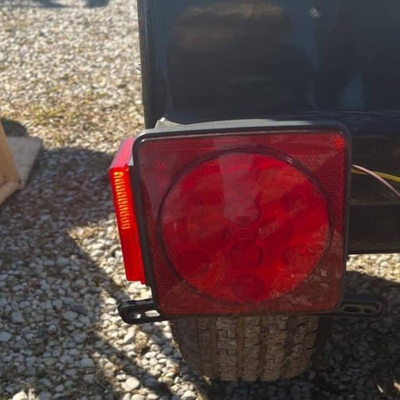
Why Does Trailer Power Cut In and Out While Driving - Weak connection

Common Places Trailer Power Can Drop Out

Intermittent trailer power often comes back to a connection that has loosened, worn or started to corrode over time. Because several circuits can pass between the tow vehicle and trailer, the fault may affect everything at once or only one part of the setup, such as the lights, electric brakes or auxiliary power. The most useful starting point is checking the areas that are exposed to movement, moisture and repeated connection.

Common problem areas include:

  • Loose or worn trailer plug connections, including pins that no longer grip firmly
  • Damaged trailer wiring near the drawbar, coupling or entry points
  • Poor earth connections between the trailer frame, plug and tow vehicle
  • Corroded terminals or water entry inside plugs, sockets or junction points
  • Weak Anderson plug connections affecting battery charging or auxiliary power
  • Vehicle-side wiring or socket faults interrupting the supply before it reaches the trailer

A visual check can sometimes reveal corrosion, loose pins or obvious cable damage, but intermittent faults are not always visible from the outside. Connections may still need to be tested while the wiring is moved or placed under load, particularly when the trailer works normally while parked and only cuts out once it is being towed.

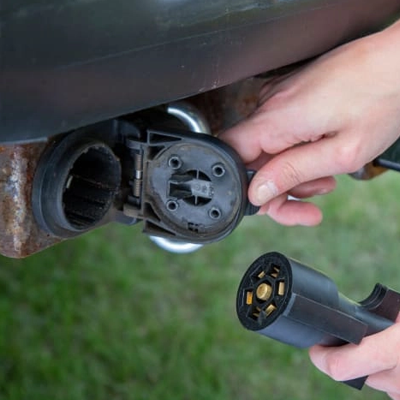
Why Does Trailer Power Cut In and Out While Driving - Corroded terminals

The Type of Power Loss Can Help Narrow It Down

The way the trailer power cuts out can provide useful clues about which part of the setup needs to be checked. If the lights, electric brakes and auxiliary power all stop at the same time, the problem is more likely to involve the main trailer plug, earth connection or vehicle-side supply. When only one function is affected, the fault is more likely to sit within that individual circuit rather than the full connection between the vehicle and trailer.

Trailer lights cutting in and out may point to a loose plug pin, damaged lighting wire or poor earth, while electric brake power cutting out can involve the brake controller output, socket connection or brake wiring running through the trailer. If the fridge or battery charging system loses power but the lights continue working, the issue may be limited to the Anderson plug or auxiliary power circuit. Paying attention to exactly what stops working can make testing more direct and reduce unnecessary work across circuits that are still operating normally.

Why Does Trailer Power Cut In and Out While Driving - Intermittent light issues

Why a Trailer Can Work While Parked but Fail on the Road

A stationary check does not place the trailer connection under the same conditions it experiences while towing. Once the vehicle is moving, the plug and wiring are exposed to vibration, turning movement, cable tension and repeated changes in the trailer’s position behind the tow vehicle. A loose terminal or partially damaged wire may maintain contact in the driveway, then separate momentarily as the connection shifts on the road.

Electrical load can also change once the trailer is being used normally. A fridge, battery charging circuit or electric brake system may draw more power than a quick lighting check, exposing resistance or voltage drop through a weak connection. If that supply runs through the vehicle’s 12V power setup, the wiring, protection and connections need to carry the required load without losing power as driving conditions change.

Why Does Trailer Power Cut In and Out While Driving - Trailer connection

Do Not Overlook the Vehicle-Side Connection

The trailer is not always where the fault starts. Power still has to pass through the tow vehicle’s socket, wiring harness, fuse protection and any supporting circuits before it reaches the trailer, so a loose terminal or damaged connection on the vehicle side can cause the same intermittent symptoms. This is especially relevant when more than one trailer shows the same problem behind the same tow vehicle.

The towbar socket, brake controller output and auxiliary power supply should all be checked as part of the full circuit. A weak vehicle-side connection may only fail under vibration or load, while a damaged fuse holder or poor terminal contact can interrupt power without blowing the fuse itself. Looking at both sides of the connection helps avoid replacing trailer components when the actual fault is in the vehicle supply.

Why Does Trailer Power Cut In and Out While Driving - Vehicle trailer connection

When the Fault Needs Auto Electrical Testing

A basic visual check may reveal a loose plug, visible corrosion or damaged insulation, but many intermittent trailer wiring faults need proper testing before the source can be confirmed. This is particularly true when the trailer electrics keep cutting out under movement or load, even though the plug and wiring appear normal while everything is stationary. Voltage, continuity and earth performance may need to be checked across both the trailer and tow vehicle to identify where the supply is being interrupted.

Auto electrical testing is especially important when the fault affects electric brakes, causes a connector to become hot or repeatedly blows a fuse. Continuing to use the trailer without checking those symptoms can lead to unreliable braking, further wiring damage or a complete loss of power while driving. An auto electrician for trailer wiring can test the circuit under realistic conditions and repair the connection responsible for the intermittent power loss.

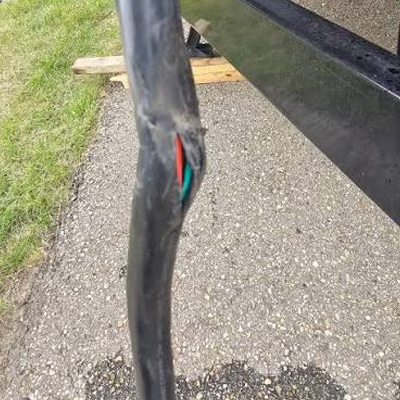
Why Does Trailer Power Cut In and Out While Driving - Damaged wiring

Get Trailer Power Problems Checked Properly

When trailer power keeps cutting in and out while driving, the fault needs to be checked across both the trailer and tow vehicle rather than treated as a simple plug issue. At Bashi’s Auto Electrical, we diagnose trailer wiring faults, Anderson plug problems, brake controller connections, auxiliary power issues and other intermittent electrical faults that affect towing reliability.

We provide mobile and workshop auto electrical servicing across Brisbane, Moreton Bay and the Sunshine Coast. Call 07 5495 7333 or click here to contact us online to arrange trailer electrical testing and repairs.

FAQ: Trailer Losing Power When Driving

A trailer plug can lose power while driving if the pins are worn, loose or affected by corrosion. Movement between the tow vehicle and trailer can briefly separate a weak connection, even when the plug appears secure while parked. Damaged wiring near the plug or drawbar can cause the same intermittent power loss.

Yes, a poor earth connection can cause trailer lights to flicker, operate inconsistently or stop working altogether. Corrosion, loose terminals and weak contact with the trailer frame can all interrupt the return path for the circuit. The earth should be tested rather than relying only on a visual inspection.

An Anderson plug may work intermittently when the terminals are loose, worn or not fully seated inside the housing. Damaged cables, corrosion and excessive resistance can also interrupt battery charging or auxiliary power while driving. Testing the circuit under load can help identify whether the fault is in the plug, wiring or vehicle supply.

Yes, the fault can come from the tow vehicle’s socket, wiring harness, fuse protection or auxiliary power circuit. If the same problem occurs with more than one trailer, the vehicle-side connection becomes a particularly important area to check. Both sides of the connection should be tested before parts are replaced.

Intermittent electric brake power should be checked before the trailer continues to be used. A loose connection, wiring fault or brake controller issue can reduce braking performance without causing a complete and permanent failure. Reliable power to the braking circuit is essential whenever the trailer is being towed.