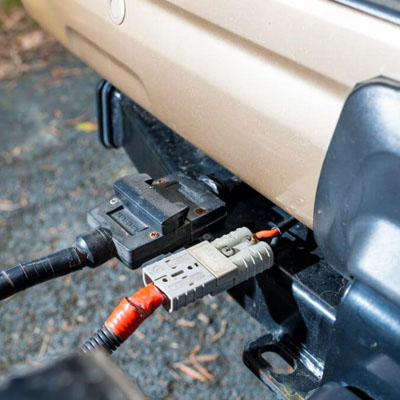
Why Has My Anderson Plug Stopped Working Properly?

An Anderson plug is meant to provide a solid, reliable power connection between one part of a setup and another. In 4WDs, trailers, caravans, and dual battery systems, that often means charging an auxiliary battery, supplying power to accessories, or supporting equipment that needs consistent 12V delivery.

When it stops working properly, the problem is not always obvious straight away. Sometimes the battery no longer charges as expected, sometimes accessory power becomes unreliable, and sometimes the connection works one day and not the next. That is what can make Anderson plug faults so frustrating. The issue may look minor at first, but it often points to a connection, wiring, or setup problem that needs proper attention.
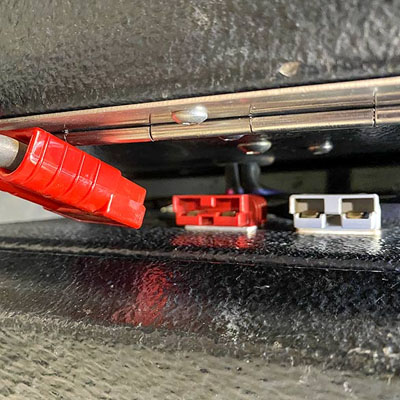
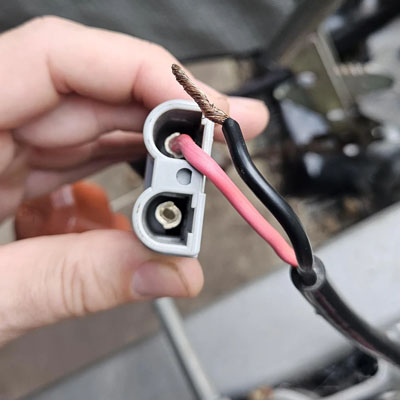
Signs an Anderson Plug Is Not Working Properly

One of the main benefits of Anderson plugs is their ability to provide a secure and dependable power connection in 4WD, trailer, and caravan setups. When that connection stops performing the way it should, the signs are not always a complete loss of power. In many cases, the problem is more inconsistent than that, which is why it can be easy to overlook at first or dismiss as a one-off issue.

Some of the more common signs include the following:

  • The battery is not charging as expected
  • Fridge or accessory power cuts out
  • The connection works intermittently
  • The plug feels loose, hot, or inconsistent
  • The setup works sometimes but not others
Anderson Plug Stopped Working Properly - Not functioning

When those signs start appearing, the issue is usually not just inconvenience. It often points to a problem with the connection itself, the wiring behind it, or the way the setup is handling load.

What Anderson Plug Problems Can Point To

When an Anderson plug is not working properly, the fault is not always in the plug alone. The visible symptom may be poor charging or unreliable accessory power, but the real cause can sit anywhere from the contacts and terminals through to the wiring, load, or overall setup behind it.

Looking at what the problem can point to helps shift the focus away from the plug as a standalone part and toward the wider electrical system it is connected to. Some of the more common possibilities include the following.

  • Loose or poor terminal connections that interrupt power flow or create inconsistent contact
  • Corrosion or contamination in the plug that affects how well the connection carries current
  • Wiring faults or voltage drop that reduce charging performance or cause accessories to underperform
  • Damage to the plug housing or contacts that stops the connection from seating or carrying load properly
  • A charging setup that is not matched to the load being placed on it

That is why Anderson plug faults often need to be looked at as part of the full setup rather than as a simple plug replacement issue.

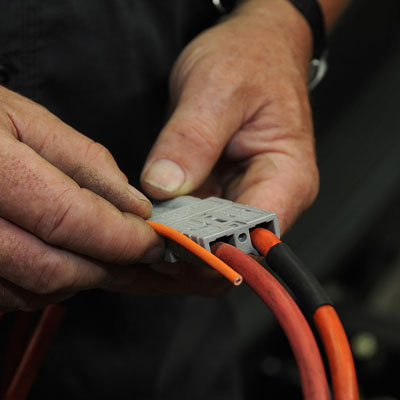
Anderson Plug Stopped Working Properly - Anderson plug faults

Why the Problem May Only Show Up Sometimes

An Anderson plug fault can be frustrating because it does not always fail in a clean, obvious way. In some setups, the connection works well enough part of the time, then starts dropping out when conditions change or the system is placed under more demand.

That kind of inconsistency often comes back to movement, vibration, load, moisture, or poor contact somewhere in the setup. A plug may seem fine when sitting still, then underperform once the vehicle is moving, the battery starts charging under load, or the connection is exposed to conditions that make a weak point harder to hide.

Anderson Plug Stopped Working Properly - Intermittent issues

How Poor Wiring or Installation Can Affect Anderson Plug Performance

An Anderson plug can only perform as well as the wiring and installation behind it. If the cable size is not suited to the load, the joins are poor, the routing is not well protected, or the connection quality is inconsistent, the setup may struggle to deliver reliable charging or power even if the plug itself appears serviceable.

This is where a system can seem fine on the surface while still underperforming in real use. Voltage drop, weak earths, poor terminal fitment, and avoidable installation issues can all affect how well the Anderson plug setup handles current, especially in 4WDs, trailers, and caravans that deal with vibration, movement, and regular accessory use.

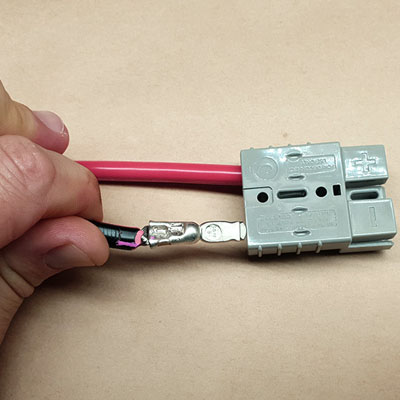
Anderson Plug Stopped Working Properly - Poor Wiring

When To Have an Anderson Plug Setup Checked

If an Anderson plug stops working properly, it is usually worth checking the setup before the issue starts affecting battery charging, fridge operation, or accessory reliability more broadly. Intermittent power, poor charging performance, heat in the connection, or a setup that only works some of the time are all signs that something in the system may need attention.

That becomes even more important when the plug is part of a 4WD, trailer, caravan, or dual battery arrangement that is expected to perform consistently under load. A proper inspection by a trusted auto electrician can help determine whether the issue sits with the plug itself, the wiring, the charging setup, or the way the system has been installed.

Anderson Plug Stopped Working Properly - Check Anderson Plug

Get Anderson Plug Problems Sorted Properly

If your Anderson plug is not working properly, the issue may go beyond the plug itself. Poor charging, unreliable accessory power, or an inconsistent connection can all point to a wider fault in the wiring, contacts, or overall setup.

At Bashi’s Auto Electrical, we can inspect Anderson plug problems and help work out whether the issue sits with the plug, the wiring, or the charging setup behind it. Call 07 5495 7333 or click here to contact us online if you need mobile auto electrical help across Brisbane, Moreton Bay, or the Sunshine Coast.

FAQ: Problems with Anderson Plugs

If an Anderson plug is not working properly, the issue may sit with the plug itself, the terminals, the wiring, or the charging setup behind it. Common causes include poor connections, corrosion, voltage drop, wiring faults, or damage within the plug housing.

Yes. If the Anderson plug is not carrying power properly, the battery on the receiving side may charge slowly, inconsistently, or not at all. That can affect auxiliary battery systems, caravan setups, and trailer charging arrangements.

Intermittent Anderson plug faults often come back to poor contact, vibration, movement, moisture, or a weak point somewhere in the wiring or terminals. In some cases, the connection seems fine until the setup is placed under load or the vehicle is moving.

Yes. Even if the plug itself appears fine, poor cable sizing, bad joins, voltage drop, weak earths, or inconsistent installation quality can all affect how well the setup performs.

Yes. If the connection is unreliable or charging and accessory performance are no longer consistent, an auto electrician can inspect the plug, wiring, and wider setup to identify what is causing the fault.