Electric Brakes Cutting In and Out: Wiring and Controller Issues

Electric trailer brakes that cut in and out can make towing feel unpredictable and unsafe, especially when braking force changes without warning. Some drivers notice the brakes grabbing sharply one moment and fading the next, while others feel a complete loss of braking before it suddenly returns. These problems often appear after wiring work, brake controller installation, or long periods of towing use where connectors and power feeds are under constant load. While the symptoms can feel mechanical, most intermittent trailer brake faults trace back to electrical supply or signal stability.

Electric brake systems rely on a steady output from the brake controller and a clean electrical path through the vehicle, trailer plug, and brake wiring. If power drops, grounding becomes unstable, or the signal is interrupted at any point, brake output becomes uneven. These faults can appear only on rough roads, in wet conditions, or under heavier braking, which makes them difficult to pin down without proper testing. Until the electrical cause is identified, the braking will continue to feel inconsistent no matter how many times the trailer is adjusted.
How Electric Trailer Brakes Should Operate

Electric trailer brakes rely on a steady electrical signal that increases smoothly as the brake pedal is applied. When the system is working as intended, braking force feels predictable and consistent, with no sudden grabbing or dropouts. Any interruption to this electrical flow changes how the brakes behave at the wheels.

  • The brake controller sends a proportional output signal based on pedal input
  • A continuous 12 volt supply feeds the controller without fluctuation
  • A clean earth path runs between the tow vehicle and the trailer
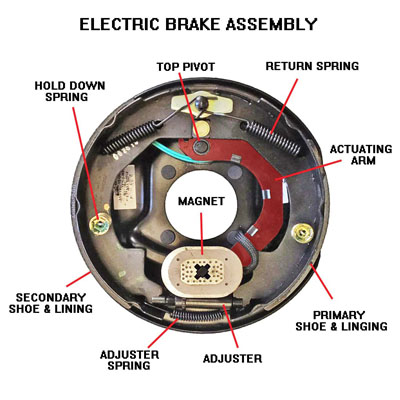
  • The brake output wire carries current evenly to each brake magnet
  • The trailer plug and socket maintain constant contact under load
Electric Brakes Cutting In and Out: Wiring and Controller Issues

When all of these elements remain stable together, the trailer brakes respond smoothly and evenly during every stop. When one part of this chain becomes unstable, the braking can surge, fade, or cut out entirely, which is where intermittent towing faults begin to appear.

Brake Controller and Vehicle Supply Issues

Brake controllers depend on a stable power source and clean signal input to regulate trailer braking smoothly. If the controller receives inconsistent voltage from the vehicle, the output to the trailer brakes can rise and fall without warning. This often happens when the controller is powered from an accessory circuit instead of a dedicated supply, or when the ignition feed is shared with other high load systems. Loose mounting can also affect inertia based controllers, as movement changes how the internal sensor responds during braking.

Voltage instability can also come from outside the controller itself. Weak batteries, charging system fluctuations, or poor power connections at the controller wiring can all interrupt brake output. When this happens, the trailer brakes may feel strong one moment and ineffective the next, even though the controller display appears to be working normally. These supply side issues are a common starting point when electric brakes begin cutting in and out without any clear pattern.

Electric Brakes Cutting In and Out: Wiring and Controller Issues

Trailer Plug and Connector Faults

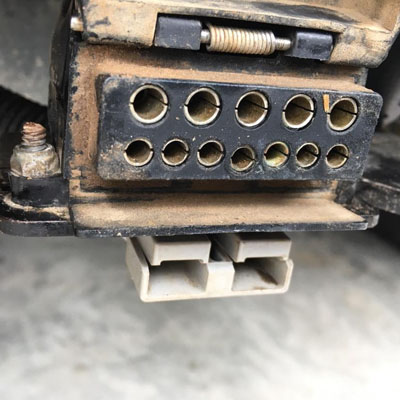
The trailer plug and socket act as the main transfer point for brake current between the vehicle and the trailer. When this connection becomes worn, contaminated, or loose, brake output can drop in and out without warning. Because the plug is exposed to weather, vibration, and constant movement, it is one of the most common failure points for intermittent electric brake faults.

  • Pin tension loss that causes brief disconnection under vibration or braking
  • Moisture ingress inside the plug leading to corrosion and poor conductivity
  • Heat damage from sustained brake current causing internal distortion
  • Oxidation on pins that restricts current flow
  • Plug movement during cornering or over bumps interrupting contact
Electric Brakes Cutting In and Out: Wiring and Controller Issues

These faults often worsen over time and may only appear under load, which is why the brakes can seem fine at low speed but cut in and out during heavier stops. Even when the plug looks clean from the outside, internal wear can still disrupt brake output.

Trailer Wiring and Earth Faults

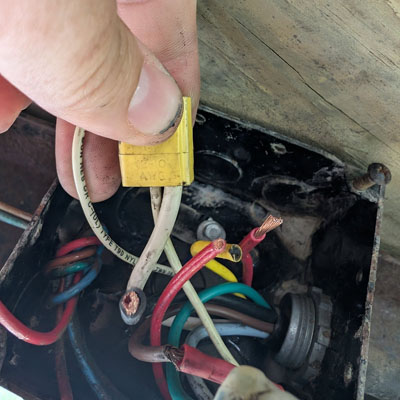
Once current passes through the trailer plug, it still needs a clean path through the trailer wiring and back to the vehicle through a reliable earth. If that return path is unstable or the brake wiring is undersized, voltage at the brake magnets will rise and fall as conditions change. This is why some trailers feel fine on smooth roads but lose braking on rough surfaces, in wet weather, or under heavier stops.

Many trailers rely on the hitch or chassis as the main earth return, which becomes unreliable once corrosion builds up or movement introduces resistance. Shared earths with lighting circuits can also cause brake output to fluctuate when indicators, brake lights, or headlights are operating at the same time. Undersized brake wiring and long cable runs further increase voltage loss under load. When these faults combine, the brakes may surge, fade, or drop out completely even though the controller appears to be functioning normally.

Electric Brakes Cutting In and Out: Wiring and Controller Issues

How Electrical Brake Faults Feel From the Driver’s Seat

When electric brakes begin cutting in and out, the most noticeable change is how unpredictable the trailer feels during stopping. One moment the brakes may grab sharply, then on the next application they feel weak or delayed. This uneven response can make the tow vehicle feel as though it is being pushed forward under braking, especially at lower speeds or in stop-start traffic.

These faults often become more obvious on rough roads, during wet weather, or when braking downhill under load. Some drivers notice the brakes pulsing on and off rather than applying smoothly, while others feel a complete loss of trailer braking that suddenly returns without warning. Because the behaviour changes based on vibration, moisture, and electrical demand, the issue often feels random until the electrical cause is traced.

Electric Brakes Cutting In and Out: Wiring and Controller Issues

Book a Trailer Brake and Controller Inspection with Bashi’s Auto Electrical

If your electric trailer brakes are cutting in and out, the cause is almost always linked to controller supply, plug connections, wiring, or earth stability. These faults can hide until the trailer is under load, which is why inconsistent braking often returns even after adjustments or basic checks. A focused inspection allows the brake controller output, trailer connections, and full brake circuit to be assessed under real operating conditions.

If the trailer brakes feel unreliable or unsafe to tow with, our mobile auto electrical service can come to you. We assist drivers across Brisbane, Moreton Bay, and the Sunshine Coast with controller issues, trailer wiring faults, and electric brake repairs. To arrange a trailer brake inspection, contact Bashi’s Auto Electrical on 07 5495 7333 or by clicking here for clear answers and dependable support.

Electric Brakes Cutting In and Out: Wiring and Controller Issues

Electric Brakes Cutting In and Out FAQs

Intermittent brake action is usually caused by unstable power, plug connection issues, poor earth paths, or internal brake controller faults that interrupt output under load.

Yes. An unstable earth return creates voltage fluctuation at the brake magnets, which leads to uneven braking or sudden loss of brake output.

Moisture entering the trailer plug, wiring joins, or earth points increases resistance and can interrupt current flow to the brakes.

Not always. Some controller faults appear only under braking load, vibration, or supply drop, which means the display may look normal while output becomes unstable.

Yes. Shared earths or faulty plug connections can cause brake output to change when brake lights, indicators, or headlights are operating at the same time.

Wiring, plug condition, and earth stability should always be checked first. Many controllers are replaced unnecessarily when the real issue sits in the trailer connection or power supply.