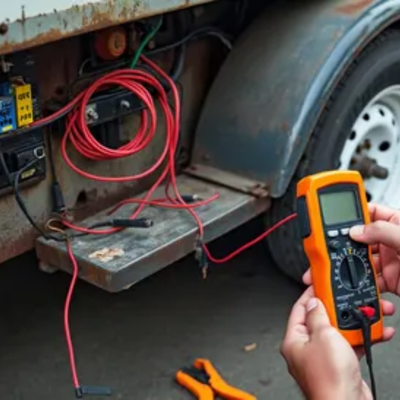
Trailer Plug Wiring That Blows Fuses and Kills Your Lights

Holiday season means trailers, campers, and boat trailers coming out of storage, which is often when lighting faults appear. You plug in the 7-pin trailer plug, switch on the indicators, and a blown fuse takes out your car’s lights. It feels like a vehicle fault, yet the real issue is usually a trailer wiring fault that is shorting a circuit to earth and dragging the tow vehicle down with it.

These faults rarely warn you in advance. Corrosion, crushed looms, or incorrect pin mapping can hide for months, then cause instant failure as soon as the plug is connected. When that happens your brake, tail, or indicator lights can drop out together, which creates a safety and compliance problem before you have even left the driveway.
How Trailer Lighting Circuits Are Supposed to Work

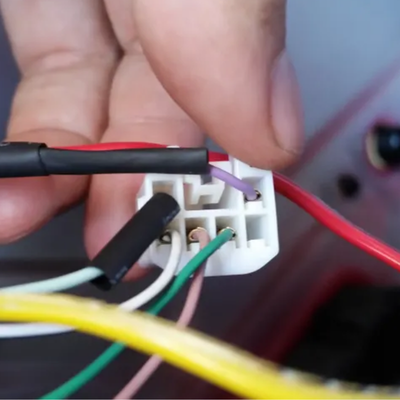
Trailer lighting is a simple idea, powered through a shared connector that assigns each pin to a specific function. On common 7-pin trailer plug layouts, individual pins carry left and right indicators, tail and number plate lights, brake lights, and a dedicated earth. The car provides power, the trailer returns it through a solid earth path, and everything relies on clean contacts with the correct pin map.

If any part of that chain is weak, the system becomes unreliable. A poor earth raises resistance which makes lights dim or intermittent, while corrosion can bridge adjacent pins and create a short that blows the car’s fuse instantly. Wrong pin assignments have a similar effect because the car energises the wrong circuit, which means multiple lights can fail together even though the vehicle’s wiring is intact.

Trailer Plug Wiring That Blows Fuses and Kills Your Lights

Common Trailer Wiring Faults That Blow Fuses

Electrical faults in trailers are often simple but hidden. Damage tends to occur near the plug, drawbar, or light housings, and it only shows up when you connect the trailer and load the circuit. Once a short path to earth exists, the tow vehicle’s fuse will protect the car by failing first.

  • Corroded plug pins that bridge across contacts and create a short under vibration or moisture.
  • Frayed drawbar cable where the outer sheath has rubbed through on metal and exposed copper.
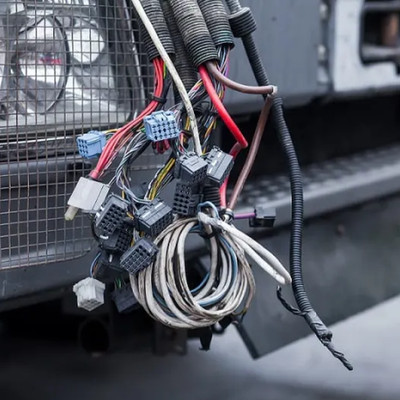
  • Crushed loom near the coupling after tight turns or jack-knifing that flatten insulation and join conductors.
  • Water inside light housings that allows current to track to earth or between lamp terminals.
  • Incorrect pin mapping after a DIY plug replacement that energises the wrong circuits.
  • Weak or missing earth path from trailer chassis to plug that forces current to backfeed through other lamps.
Trailer Plug Wiring That Blows Fuses and Kills Your Lights

These problems often start as intermittent faults that only appear on bumps or in wet weather. As corrosion or damage worsens, they turn into instant fuse failures the moment you connect the plug or switch on the lights. Proper inspection and testing will isolate the fault quickly before it ruins the start of a trip.

Clues the Fault Is in the Trailer, Not the Car

If the vehicle’s lights work normally until the moment you connect the trailer plug, the problem is almost always on the trailer side. A fresh fuse that survives with no trailer attached but fails as soon as you plug in is a strong sign of a short within the plug, loom, or lamp housings. Another clear clue is when your car tows a different trailer without issue, yet blows fuses with this one, which points directly to wiring on the suspect trailer.

You may also notice that only one function triggers failure. For example, the fuse holds with tail lights on, then pops the instant you press the brake or use the left indicator. That pattern narrows the fault to the matching pin on the 7-pin connector and the wiring that follows it. Intermittent behaviour over bumps suggests damaged insulation near the drawbar or a loose earth; sudden failure after rain hints at water inside the plug or lamps. These clues help target testing and avoid unnecessary work on the tow vehicle.

Trailer Plug Wiring That Blows Fuses and Kills Your Lights

Safe Checks You Can Do Before You Tow

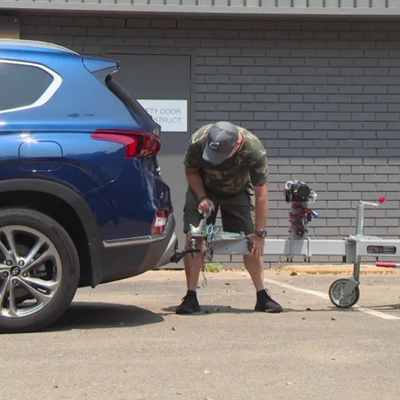
A few quick checks can prevent a roadside headache. Focus on the areas that most often fail after storage or rough use, and keep the trailer unplugged from the vehicle while you inspect.

  • Check the plug pins: Look for green corrosion, bent pins, or loose sleeves that can touch each other. Clean gently and dry the housing before reconnecting.
  • Inspect the drawbar cable: Flex it along the frame and around clamps to spot flat spots, cuts, or exposed copper where the sheath has rubbed through.
  • Test one function at a time: With a helper, try tail, brake, left, and right indicators separately to see which action triggers the fault.
  • Confirm the earth path: Make sure the earth strap from trailer chassis to the plug is present, tight, and on clean metal.
  • Use a plug tester if available: A basic 7-pin tester or a known-good light board can help confirm wiring without risking the car’s fuses.
Trailer Plug Wiring That Blows Fuses and Kills Your Lights

These checks often catch simple issues before they blow a fuse, but they are not a substitute for electrical testing when problems persist. If a fuse continues to fail or a function only works intermittently, the circuit needs professional diagnosis to find the exact point of the short.

Why DIY Guesswork Can Make Things Worse

Trailer wiring faults tempt quick fixes, but guesswork often creates bigger problems than the original short. Fitting a larger fuse to “stop it blowing” only hides the fault and pushes excess current into thin trailer wiring. Bridging a fuse with wire or a coin risks melted looms, damaged light housings, and a fire under the tray or in the rear quarter of the car.

Random splicing and mix-and-match adapters can also backfeed power into the tow vehicle’s lighting circuits. That can take out the body control module, which is far more expensive than a proper repair. If fuses keep failing, the safest approach is targeted testing rather than trial and error, so the actual point of failure is found and fixed.

Trailer Plug Wiring That Blows Fuses and Kills Your Lights

How We Diagnose Trailer Wiring Faults Properly

Finding the real cause of a trailer wiring fault takes more than swapping fuses. We follow a structured process that protects the tow vehicle and pinpoints the exact issue before any repairs begin.

Trailer Plug Wiring That Blows Fuses and Kills Your Lights

This approach isolates the exact fault and prevents repeat failures on your next trip. It also protects sensitive vehicle modules by avoiding risky trial-and-error methods.

Keep Your Towing Electrics Road-Ready

A trailer that blows fuses the moment you plug it in can stop a trip before it starts. The fault is often simple, yet it can take out brake, tail, and indicator lights at once, which turns into a safety and compliance problem on busy holiday roads. Fixing the cause properly protects your tow vehicle’s wiring, keeps your lights reliable, and prevents repeat failures when the trailer is loaded and moving.

At Bashi’s Auto Electrical, we diagnose and repair trailer wiring faults with careful testing and tidy, long-lasting repairs. Whether it is a corroded 7-pin plug, a crushed loom, or a weak earth, we will find it and fix it correctly. Call 07 5495 7333 or book online to arrange a mobile visit before you head off, and tow with confidence this summer.

Frequently Asked Questions: Trailer Plug Wiring

This usually points to a trailer wiring fault rather than a problem in the tow vehicle. When you plug in, a short circuit on the trailer side pulls current to earth and the vehicle’s fuse protects the circuit by failing. If the car’s lights work normally without the trailer, the fault is almost certainly in the plug, loom, or lamp housings on the trailer.

On common flat and round 7-pin trailer plug layouts used in Australia, one pin is dedicated to earth so current can return cleanly to the tow vehicle. A weak or missing earth forces current to backfeed through other lamps, which causes strange behaviour and can blow fuses. Keeping the earth strap clean, tight, and on bare metal is essential for reliable lights.

Yes. Moisture creates conductive paths between terminals and to earth, especially where corrosion has started. Water inside the plug housing or lamp assemblies is a frequent cause of intermittent faults that turn into instant failures after rain or washing. Drying, cleaning corrosion, and resealing housings prevents repeat problems.

No. A larger fuse does not fix the short circuit and allows higher current to flow into thin trailer wiring. That can overheat looms, damage light housings, and in severe cases start a fire. The correct approach is to locate and repair the short circuit so the standard fuse rating protects the system as intended.

Start by checking whether the car’s lights work perfectly with no trailer attached and whether the fuse only blows after you connect the plug. If possible, test your car with a different trailer or a light board. If the car passes those tests, attention should move to the suspect trailer’s plug, earth, and loom. An auto electrician can confirm this quickly with continuity and load tests.

They can, but the problem is different from a hard short. Some vehicles expect a certain load on each circuit and very low current draw from LEDs can confuse bulb monitoring. The result is error messages or lights that do not operate as expected. This is solved with correct wiring, suitable load modules, or resistors, not by increasing fuse sizes.

That pattern means the short is confined to the matching function on the 7-pin connector and the wiring that follows it. For example, if the fuse fails only when the left indicator is used, look for crushed cable or water ingress on the left indicator feed and lamp. Targeted testing on that single circuit usually reveals the fault quickly.