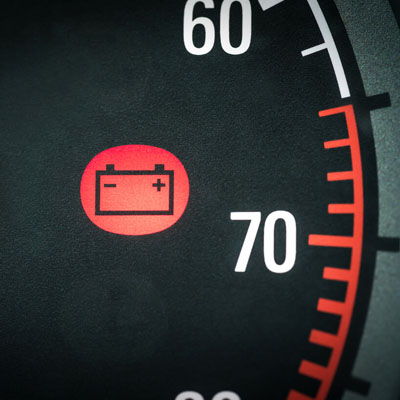
Hidden Electrical Problems to Watch for When Buying a Used Car

When buying a used car, attention is often placed on engine condition, service history, and overall appearance, while electrical systems receive far less scrutiny. Electrical faults are some of the hardest problems to identify during a short inspection, yet they can be among the most frustrating and costly issues to deal with after purchase. Many of these faults do not show up during a brief test drive or may be temporarily masked before the vehicle is listed for sale. As a result, buyers can unknowingly inherit problems that only surface once the car is used day to day.

Modern vehicles rely on stable voltage and constant communication between control modules, sensors, and accessories. When that electrical stability is compromised, the symptoms are often inconsistent rather than obvious, which makes them easy to overlook. Issues may only appear after cold starts, longer drives, or when multiple systems are operating at once. Based on over 20 years of hands-on auto electrical experience, these are the key warning signs we recommend paying close attention to before committing to a used car purchase.

How Electrical Problems Slip Past Used Car Inspections

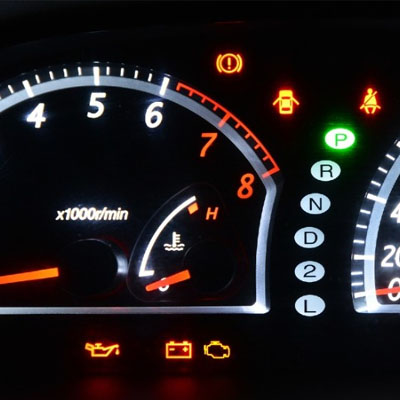
Electrical problems are often missed because they do not present as constant or obvious faults during an inspection. Short test drives rarely place enough demand on the battery, charging system, or wiring to expose voltage instability or early voltage drop. In some cases, fault codes may have been cleared recently or the battery disconnected, which temporarily removes warning lights and masks underlying issues.

As a result, a vehicle can appear to be in good condition even though underlying electrical weaknesses already exist. Many systems only reveal voltage drop once they have been operating for longer periods or under varying electrical load. Without that extended use, early signs of electrical trouble are easy to overlook, particularly when everything appears to function normally during a brief test drive.

Hidden Electrical Problems to Watch for When Buying a Used Car

Electrical Warning Signs to Watch During a Test Drive

Electrical faults often show subtle clues rather than clear failures, especially during a short drive. Paying attention to small inconsistencies can reveal whether the vehicle’s electrical system is stable or already under strain. These warning signs do not automatically mean the car is a bad buy, but they should prompt closer consideration before committing.

  • Slow or uneven cranking when starting the engine
  • Interior or exterior lights flickering or dimming unexpectedly
  • Warning lights that appear briefly and then clear on their own
  • Infotainment screens, radios, or displays rebooting or freezing
  • Power windows, mirrors, or accessories responding inconsistently
Hidden Electrical Problems to Watch for When Buying a Used Car

Seeing one of these issues once may not be significant, particularly in an older vehicle. When several appear together, however, it often points to voltage instability, battery condition issues, or deeper electrical faults that may surface more clearly after purchase.

Common Hidden Electrical Problems in Second-Hand Vehicles

Some electrical issues stay hidden because they develop gradually or only show up under specific conditions. Batteries and charging systems may be near the end of their service life, supplying enough power to pass a test drive but struggling once the vehicle is used regularly. Corroded terminals, internal cable resistance, or early alternator wear can all create voltage drops that affect multiple systems without triggering an immediate fault.

Water ingress is another common cause of hidden electrical trouble, especially in vehicles with ageing seals around windscreens, doors, or tailgates. Moisture can reach wiring looms or control modules and cause intermittent faults that come and go with weather changes. Poor-quality aftermarket wiring from previous owners can also introduce issues that are difficult to trace, particularly if accessories were removed before sale. These problems often remain unnoticed until the vehicle is driven in different conditions over time.

Hidden Electrical Problems to Watch for When Buying a Used Car

Why Some Electrical Faults Appear Only After Purchase

Many electrical faults only surface once the vehicle is used in real-world conditions rather than a short inspection drive. Daily use places repeated load on the battery, charging system, and wiring, which exposes weaknesses that were already present but inactive.

  • Cold starts after the car has been sitting overnight
  • Wet weather or high humidity affecting seals and wiring
  • Running headlights, air conditioning, and accessories together
  • Longer drives that heat wiring and control modules
  • Stop-start traffic exposing battery and charging strain

When these conditions combine, electrical issues that existed all along become more noticeable. This is why many buyers feel faults appeared after purchase, when the vehicle simply had not yet been used in a way that revealed them.

Hidden Electrical Problems to Watch for When Buying a Used Car

When It Makes Sense to Involve an Auto Electrician

Not every used car needs an auto electrical inspection before purchase, but certain warning signs make it a sensible step. If electrical behaviour feels inconsistent, unexplained, or difficult to replicate, it is often better to have it checked rather than assume it will resolve on its own. Intermittent faults are rarely random, and early confirmation can prevent unexpected repair costs shortly after taking ownership.

It also makes sense to involve an auto electrician if the vehicle shows multiple warning lights, has a history of aftermarket accessory work, or has been used for towing or fleet duties. These vehicles are more likely to have wiring changes, higher electrical load history, or early component wear. Even after purchase, a targeted electrical check can quickly confirm whether a concern is minor or something that needs attention before it escalates.

Hidden Electrical Problems to Watch for When Buying a Used Car

Electrical Checks After Purchase Can Prevent Bigger Costs

If electrical issues appear soon after buying a used car, early inspection can stop small problems from turning into expensive repairs. A focused check can confirm whether a concern sits with the battery, charging system, wiring, or a specific control module, rather than guessing or replacing parts unnecessarily. Catching voltage instability or poor connections early often prevents repeat faults and ongoing inconvenience.

If a vehicle shows warning signs or behaves inconsistently after purchase, our team can carry out targeted electrical checks and advise on the next steps. For cars that are difficult to start or unreliable to drive, our mobile auto electrical service can come to you across Brisbane, Moreton Bay, and the Sunshine Coast. Call 07 5495 7333 to book, or click here to enquire online and arrange an inspection at a time that suits you.

Used Car Electrical FAQs

Yes. Electrical issues are common because they develop gradually and often do not show up during short test drives. Many only appear once the vehicle is used daily.

They can. Clearing codes or disconnecting the battery may temporarily remove warning lights without fixing the underlying issue.

Intermittent warning lights should not be ignored. They often point to voltage instability, sensor issues, or early wiring faults rather than a one-off glitch.

They can. Poorly installed accessories or removed equipment may leave behind wiring issues that are difficult to detect without proper testing.

Yes. Early checks can confirm whether minor issues exist or if a larger fault is developing, which helps avoid unexpected repair costs later.

Common early signs include slow starting, random warning lights, flickering lights, infotainment resets, or accessories behaving inconsistently.