How To Size a 4WD Power Setup Properly

A lot of 4WD setups are built one accessory at a time. A fridge gets added first, then lighting, then chargers, then a compressor or a few extra bits that seemed manageable on their own at the time. The problem is that power setups often start getting sized around individual purchases instead of the full load the vehicle is eventually expected to support.

That is where trouble usually starts. A setup can seem fine on shorter trips or lighter use, then begin showing its limits once the vehicle is parked longer, more than one accessory is running, or the battery and charging side are expected to recover a heavier load. Sizing a 4WD power setup properly is really about matching the system to how the vehicle is used in the real world, not just choosing components that sound right on paper.
Why Guessing Power Needs Often Leads To the Wrong Setup

A lot of 4WD power setups are built around what seems manageable at the time. One accessory gets added, then another, and each one on its own does not look like it should place too much pressure on the system. The problem is that power demand is cumulative, and a setup that feels adequate for one or two smaller loads can start struggling once those loads begin overlapping across real trips.

That is usually when the weak points start showing. A battery may not recover as well as expected between stops, accessory run time may fall short of what was planned, or the setup may begin acting less reliably once the vehicle is parked and still expected to supply power. Guessing often leads to a setup that looks fine on paper but is only really comfortable under lighter use than the vehicle ends up seeing.

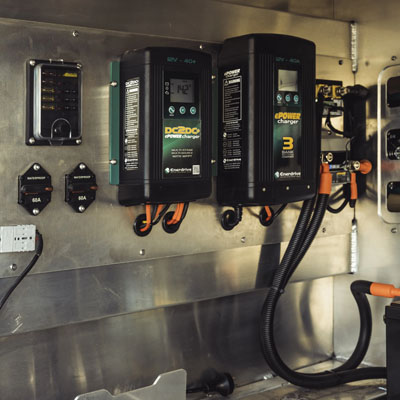
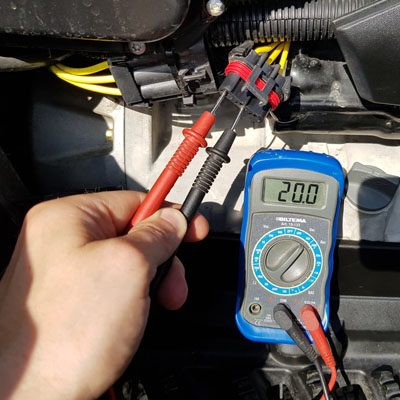
How To Size a 4WD Power Setup Properly - Wiring testing

What a 4WD Power Setup Actually Needs To Support

A 4WD power setup is rarely there for just one job. In most vehicles, it needs to support a mix of accessories with different patterns of use, which is why sizing the system properly means looking at the full picture rather than focusing on one item in isolation. A fridge running for long periods creates a different kind of demand than lighting used for shorter bursts, and chargers or compressors add their own load in different ways again.

  • Fridges and coolers
  • Lighting
  • Chargers and powered devices
  • Air compressors and other occasional loads
  • Communications and other accessories
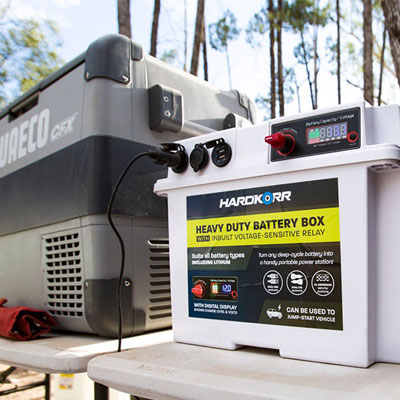
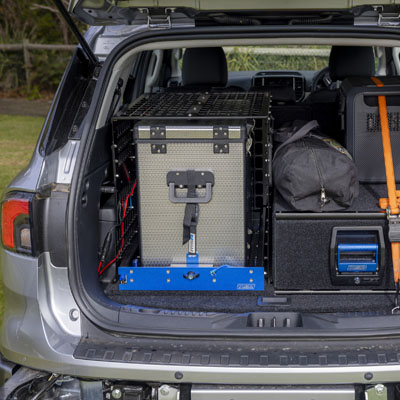
How To Size a 4WD Power Setup Properly - 4WD fridge cooler

When those loads are considered together, it becomes much easier to judge whether the setup is being sized for real use or just for the most obvious accessory in the vehicle.

Why Time Matters as Much as the Accessory Itself

Power use is not just about what is connected. It is also about how long that accessory needs to keep running and how often the setup is expected to support it without the vehicle driving. A fridge that runs for hours while parked places a very different demand on the system than a compressor used briefly or a light switched on for a short period.

That is where a lot of setups get caught out. The accessory itself may not look especially demanding, but the amount of time it needs power can change the picture completely. Once longer stops, overnight use, or multiple hours of accessory draw are factored in, the difference between a setup that copes comfortably and one that struggles becomes much more obvious.

How To Size a 4WD Power Setup Properly - 4WD Power setup

What Changes When the 4WD Is Parked for Longer Periods

A 4WD power setup changes character once the vehicle is parked and still expected to keep supplying power. While driving gives the charging system a chance to recover what accessories are using, longer stops shift the pressure onto the battery side of the setup. That is where a system that seemed fine during short trips can start showing its limits much more quickly.

This matters most when the vehicle is being used for camping, extended breaks, or any situation where a fridge, lighting, chargers, or other accessories need to keep running without regular recovery time. In that environment, the question is no longer just what the setup can support while moving. It becomes how long the system can keep those accessories running before battery capacity, charging recovery, and overall setup design start falling short.

How To Size a 4WD Power Setup Properly - 4WD camping power setup

Why Battery Capacity and Charging Need To Be Matched Together

Battery capacity is only one part of the picture. A larger battery can give a 4WD setup more support while parked, but that does not solve much on its own if the charging side is not able to recover that use properly once the vehicle is moving again. This is where some setups look good on paper, then start falling short in real use.

The same applies to a dual battery setup. Adding more battery capacity can be useful, but it still needs to be matched with a charging arrangement that suits the vehicle, the accessory load, and the way the 4WD is actually being used. When battery size and charging support are out of step, the setup can struggle to recover properly between stops, which is often where reliability starts to drop away.

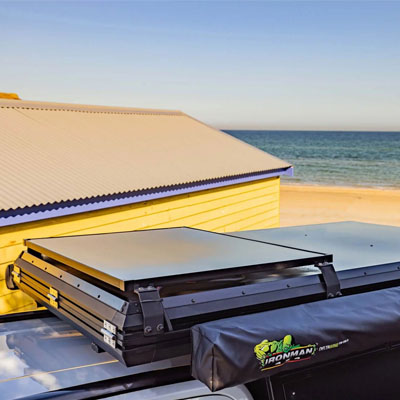
How To Size a 4WD Power Setup Properly - Solar panels on 4WD roof

Signs a 4WD Power Setup May Be Undersized

A 4WD power setup does not need to fail completely before it starts showing that it is undersized for the job. In many cases, the signs build gradually as accessory use increases, trips get longer, or the vehicle spends more time parked while still expected to supply power. That is why it often shows up as reduced reliability before it becomes a full power failure.

  • Accessories cut out earlier than expected
  • Batteries do not recover properly after driving
  • Power problems show up more on longer trips
  • The setup struggles once multiple accessories are in use
  • The vehicle becomes harder to rely on when parked
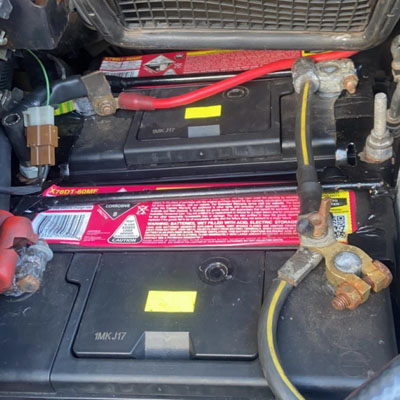
How To Size a 4WD Power Setup Properly - Flat 4WD battery

When those signs start appearing, the issue is often less about one faulty accessory and more about the setup no longer matching the electrical demands being placed on it.

Getting the Setup Matched to the Way the Vehicle Is Used

The right 4WD power setup is not just about choosing a bigger battery or adding more charging hardware. It needs to reflect how the vehicle is actually being used, what accessories need support, how long they need to run, and how much recovery time the system gets between stops. That is why two vehicles with similar accessories can still need very different setups, especially once a dual battery setup or more demanding accessory load is involved.

A setup that works well for occasional day trips may fall short once the same 4WD is used for longer touring, overnight stops, or heavier accessory demand. Matching the system properly means looking at the vehicle as a whole rather than sizing parts in isolation. That is usually where advice from a trusted auto electrician becomes more useful than trying to size the system around individual parts alone.

How To Size a 4WD Power Setup Properly - Matching battery use with recovery

Get the Right 4WD Power Setup for Your Vehicle

Sizing a 4WD power setup properly is less about adding the biggest components and more about matching the system to the way the vehicle is actually used. Fridges, lighting, chargers, trip length, time parked, and charging recovery all shape what the setup needs to handle in real conditions, not just in theory.

At Bashi’s Auto Electrical, we can help work out whether a 4WD power setup suits the accessory load, battery support, and charging demands being placed on it. Call 07 5495 7333 or click here to contact us online if you need help planning or refining a 4WD power setup across Brisbane, Moreton Bay, or the Sunshine Coast.

FAQ: Sizing 4WD Power Setups

The best place to start is by looking at what the setup actually needs to run, how long each accessory needs power, and how often the vehicle is parked while still supplying it. A fridge, lighting, chargers, and other accessories may each seem manageable on their own, but the real demand only becomes clear when those loads are considered together across normal trips.

That depends on the accessory load, how long those accessories need to run, and how much recovery time the system gets while driving. A 4WD used for occasional day trips usually needs less support than one expected to run a fridge, lights, and chargers over longer stops or overnight stays.

Not always, but a dual battery setup often becomes much more useful once a fridge is expected to keep running while the vehicle is parked. The need depends on how long the fridge must run, what else is drawing power, and whether the setup can recover properly once the vehicle is moving again.

Yes. A setup can be undersized even if it seems fine at first. That usually shows up through shorter accessory runtime, batteries that do not recover properly, or power problems that become more noticeable as trips get longer or more accessories are used together.

Yes. A 4WD power setup works best when it is matched to the way the vehicle is actually used rather than built around individual parts in isolation. An auto electrician can help assess the accessory load, battery support, charging side, and overall setup so the system is sized properly from the outset.