Signs a 4WD May Need a Dual Battery System
Not every 4WD needs a dual battery setup, but certain usage patterns make the benefits much clearer. Once the vehicle is being relied on for more than basic driving and starting, the strain on a single battery can become harder to ignore.
That is usually when the question shifts from whether a second battery sounds useful to whether the current setup is still doing the job properly. Some of the clearest signs include the following.
You Run a Fridge Regularly
A fridge is one of the clearest signs that a 4WD dual battery system may be worth considering. Unlike short bursts of power use, a fridge often draws power over long periods, including when the vehicle is parked, which can place steady demand on the electrical system.
That becomes a problem when the same battery expected to run the fridge is also expected to restart the vehicle later on. A second battery helps separate those jobs, which makes fridge use far more practical without putting the starting battery under the same level of risk.
You Camp Without Driving Every Day
Camping setups often place very different demands on a 4WD than everyday driving. If the vehicle is staying parked for extended periods while accessories continue drawing power, a single battery can run down much faster than many owners expect.
This is where a dual battery system becomes far more practical. It allows power to keep running to camping accessories while reducing the risk of flattening the battery needed to start the vehicle when it is time to head off again.
You Use Multiple 12V Accessories
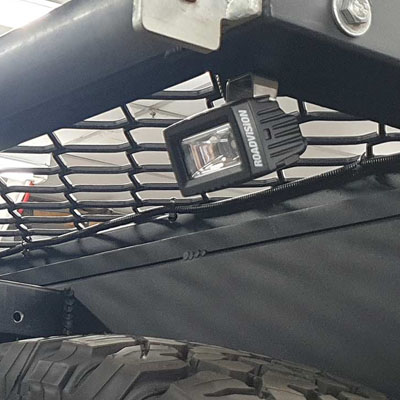
A single accessory may not place much pressure on the electrical system, but several accessories used together can quickly change that. Driving lights, air compressors, chargers, UHF units, and other 12V gear all add to the load, especially when they are being used regularly or for extended periods.
That is often where a standard single battery setup starts showing its limits. A dual battery system helps give those accessories a more suitable power source without relying on the starting battery to handle every demand placed on the vehicle.
You Want To Protect the Starting Battery
One of the main reasons 4WD owners move to a dual battery setup is to avoid putting the starting battery under unnecessary strain. Once accessories begin drawing power while the vehicle is parked, there is always a risk that the same battery needed to start the engine will be left too low to do its job properly.
A dual battery system helps separate that risk. By keeping accessory power away from the starting battery, it gives the vehicle a better chance of starting reliably even after lights, fridges, chargers, or other gear have been used for hours.
Your Current Setup Is Becoming Inconvenient
Sometimes the clearest sign is not a complete failure, but the growing effort required to work around the limits of the existing setup. If you are constantly monitoring battery levels, changing how long accessories can run, or worrying about whether the vehicle will restart later, the current arrangement may no longer suit how the 4WD is being used.
That kind of inconvenience usually shows up before the setup fails altogether. A dual battery system can make the vehicle more practical by giving accessories a dedicated power source and reducing the need to manage every power decision so cautiously.