Are Your Parking Sensors Beeping Constantly After Aftermarket Work?

Parking sensors should only activate when something is close, so constant beeping can feel confusing when it starts right after accessory work. Many drivers assume a sensor has failed, yet the issue often comes from new wiring, power feeds, or fittings changing the signals the system relies on. This can happen after installing a reverse camera, head unit, lighting upgrade, or any accessory that requires tapping into existing circuits. When the module sees unexpected voltage or interference, it may react as though an obstacle is always present.

Modern parking sensors rely on clean power and stable communication with the body control system. If an accessory introduces noise, alters a ground, or disrupts a loom, the sensors may begin beeping constantly even when nothing is nearby. These faults can appear straight away or develop gradually as the vehicle is driven in different conditions. Without proper electrical testing, it can be difficult to tell whether the problem sits in the wiring or the sensor itself.
How Parking Sensors Should Behave in Normal Use

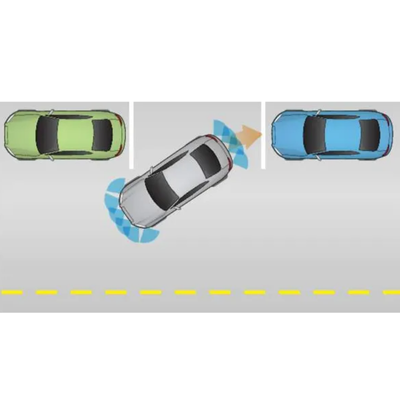
Parking sensors are meant to stay quiet until something is within range, then increase their beep rate as the gap closes. Once the vehicle is out of reverse or the system is switched off, the alerts should stop immediately.

In normal use, the system should behave in the following predictable way:

  • Beeping only starts when reverse is selected or the parking sensor button is turned on
  • The tone and spacing change as you move closer to an obstacle
  • The system stays silent when nothing is detected
  • Turning the system off stops the alerts straight away

When sensors begin beeping constantly after accessory work, the module is reacting to unclear or unstable signals. This usually points to wiring, mounting, or power changes made during the installation.

Are Your Parking Sensors Beeping Constantly After Aftermarket Work?

Why Aftermarket Accessories Can Upset Parking Sensor Circuits

Parking sensors rely on stable power, clean grounds, and uninterrupted communication with the vehicle’s control modules. When an accessory is added, even a small wiring change can alter the signals the sensor system depends on. Reverse cameras, lighting upgrades, head units, and other installations often share space with the same wiring that feeds the parking sensor module, so any disruption can cause the sensors to react in ways that seem unrelated to the new accessory.

Many modern vehicles no longer use simple switched wires and instead rely on modules that monitor voltage patterns and data signals. If an accessory draws power from the wrong circuit, sends noise into the loom, or alters grounding paths, the parking sensor module may receive readings that do not make sense. This can lead to constant beeping, sensors activating at random, or the system muting itself when it believes a fault is present. Without proper testing, it is easy to mistake these symptoms for a damaged sensor rather than a wiring change made during the accessory installation.

Are Your Parking Sensors Beeping Constantly After Aftermarket Work?

Common Wiring and Power Source Issues After Installations

Parking sensors can start beeping constantly when new accessories disturb the wiring they rely on. Even small changes to power feeds, grounds, or signal paths can confuse the parking sensor module and trigger false obstacle warnings. These issues often appear after accessory work because installers tap into convenient circuits without realising how sensitive the parking system is to interference.

  • Accessories powered from the reverse light circuit instead of a dedicated supply
  • Shared grounds that create voltage drop when multiple devices operate together
  • Quick splice joins or weak soldering that add resistance or intermittent contact
  • Backfeeding from cameras, amplifiers, or lighting circuits into the parking sensor module
  • Looms stretched, pinched, or disturbed while running new wiring through the vehicle
Are Your Parking Sensors Beeping Constantly After Aftermarket Work?

These problems may not show up immediately. Some faults only appear when reversing on uneven ground, when the vehicle is wet, or when a particular accessory switches on at the same time as the parking sensors. This is why the issue can seem unpredictable even though the cause is electrical in nature.

Sensor, Bumper, and Mounting Problems After Body Work

Some accessory installations require removing trims, bumper covers, or interior panels to route wiring, and this can affect how the factory sensors sit in their mounts. A sensor that is pushed slightly out of alignment may point toward the ground, a bracket, or a body panel instead of straight outward. When this happens, the system interprets the reflection as a constant obstacle, which leads to beeping even when the area is clear.

New fittings such as towbar brackets, number plate surrounds, and aftermarket lights can also interfere with sensor angles or block part of the detection zone. Even a small change to the shape of the bumper can shift how the signal bounces back to the sensor. In some cases, the mounting clips can loosen during reassembly, allowing vibration or water to affect the reading. These issues are often overlooked because the wiring appears intact, yet the sensor continues to react as if something is always present.

Are Your Parking Sensors Beeping Constantly After Aftermarket Work?

Simple Checks Drivers Can Make Before Booking In

Drivers can often gather useful clues before visiting an auto electrician, especially when the problem begins right after accessory work. These checks do not require tools and help narrow the cause by showing whether the beeping is linked to wiring changes, sensor alignment, or environmental conditions. Noting these patterns makes diagnosis faster and avoids replacing parts that are not actually faulty.

  • Note when the constant beeping first appeared and what work was carried out beforehand
  • Check whether the beeping happens every time reverse is selected or only after driving for a while
  • Look for obvious obstructions near the sensors such as towbar tongues, bike racks, or new accessories
  • See whether the behaviour changes when certain accessories are switched off
  • Listen for differences between the front and rear sensors, if the vehicle has both
Are Your Parking Sensors Beeping Constantly After Aftermarket Work?

These simple observations can quickly point toward whether the fault is caused by wiring, mounting, or new equipment fitted to the vehicle. If the beeping remains consistent or grows worse, an electrical diagnostic will reveal the exact source of the interference or incorrect signal.

Why Professional Diagnostics Help

Parking sensors rely on precise electrical signals, so guessing at the cause of constant beeping often leads to unnecessary parts replacement. Professional diagnostics by an experienced auto electrician allow each part of the system to be checked properly, including power supply, grounds, module communication, and individual sensor readings. This approach makes it clear whether the issue comes from the accessory wiring, the sensor circuit, or a module reacting to incorrect signals.

An auto electrician can also test for voltage drop, signal noise, and backfeeding, which are problems that rarely show up during basic visual checks. These faults often appear only under certain loads or conditions, making them difficult to track without the right equipment. With proper testing, the technician can pinpoint the exact point of interference or instability, which means the repair is accurate and the problem does not return after the next accessory upgrade.

Are Your Parking Sensors Beeping Constantly After Aftermarket Work?

Book a Parking Sensor and Accessory Wiring Check With Bashi’s Auto Electrical

If your parking sensors are beeping constantly after recent accessory work, a focused electrical check can pinpoint the cause and restore normal operation. Our team can test power supply, grounds, module communication, and sensor performance to identify where the signal is being disrupted. This avoids trial and error and prevents the issue from returning whenever new accessories are added to the vehicle.

If your vehicle is difficult to reverse safely or you are unsure whether the problem is sensor related or wiring related, our mobile auto electrical service can come to you. We assist drivers across Brisbane, Moreton Bay, and the Sunshine Coast with detailed diagnostics and repair work. To arrange a parking sensor and wiring inspection, contact Bashi’s Auto Electrical on 07 5495 7333 or contact us online for quick help and reliable support.

Parking Sensor Beeping FAQs

Many accessories share power or grounding with the parking sensor system. If the wiring was tapped incorrectly or a ground was disturbed, the module may receive unstable signals.

Yes. If the camera draws power from the reverse light circuit or introduces noise into the loom, the parking sensor module may treat the signal as a constant obstacle.

Not usually. False alerts often come from wiring changes rather than failed sensors. Testing will show whether the sensors are reading correctly.

Moisture can reach disturbed connectors, exposed joins, or misaligned mounts. This can change how the sensor reads reflections and cause continuous beeping.

Yes. A weak or shared ground can create voltage drops that confuse the control module, especially when multiple accessories operate at the same time.

If the beeping began immediately after the work, the installer may be able to correct the wiring. If the cause is not obvious or the issue keeps returning, an auto electrician can test the system properly.