Electrical Issues That Cause Weak Throttle Response

Weak throttle response can make a vehicle feel sluggish or unwilling to pick up speed even when the engine appears to run normally. Many drivers assume the issue comes from fuel delivery or mechanical wear, yet modern drivetrains rely on electronic throttle control, stable voltage supply, and accurate sensor feedback. When any of these electrical components begin sending inconsistent signals, the engine control unit may soften throttle input to prevent unintended surging. This often leads to hesitation, delayed acceleration, or a flat feel when merging, overtaking, or climbing hills.

Today’s vehicles depend on accurate data from airflow sensors, pedal position sensors, throttle body assemblies, and the charging system to deliver smooth response. If one part of this chain becomes unstable, voltage drops or signal noise can distort the information the ECU receives. As a result, throttle behaviour becomes inconsistent during cold starts, low speed manoeuvres, or when electrical loads increase. These problems rarely trigger a warning light straight away, which can make the root cause harder to spot without proper electrical testing.

Why Weak Throttle Response Can Be Electrical

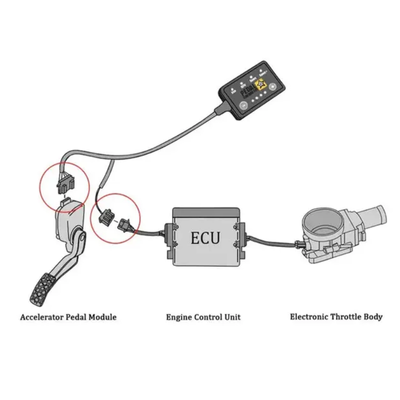
Modern vehicles rely on electrical control systems to translate pedal movement into usable power, so even small voltage or signal variations can change the way the throttle reacts. Drivers often feel this as hesitation, delayed rev rise, or a flat spot that appears without any obvious mechanical noise or misfire. Because the throttle body, pedal sensors, airflow sensors, and ECU work together through constant data exchange, a single unstable reading can soften response before any warning lamp appears.

Electrical influence on throttle behaviour is more noticeable in drive by wire systems, where the ECU controls the throttle plate rather than a mechanical cable. If the control unit receives information that appears unreliable, it may limit throttle opening to protect the engine from unpredictable load conditions. This can create a slow or inconsistent feel during take off, roundabouts, or stop start traffic, even though the engine itself may be mechanically sound.

Electrical Issues That Cause Weak Throttle Response

How the Throttle Control System Relies on Stable Signals

Modern throttle control relies on several electrical components working together to translate pedal movement into smooth acceleration. These parts need clean reference voltage, accurate feedback, and stable wiring, otherwise the ECU may soften throttle response to avoid unpredictable torque delivery.

  • Accelerator pedal sensors provide the ECU with position and movement data, and even a slight mismatch between tracks can flatten response.
  • The throttle body motor and its position sensor must work in sync or the ECU reduces throttle opening to maintain stable control.
  • ECU reference voltages keep sensor readings accurate, and small voltage drops can distort airflow, load, or pedal data.
  • Wiring, plugs, and grounds carry every signal, and corrosion or resistance in these pathways creates noise that affects throttle behaviour.

When all signals stay clean, the throttle reacts sharply to pedal input. When one part of the chain becomes unstable, the ECU often reacts by limiting throttle movement, which creates hesitation or a dull feel even without a warning lamp.

Electrical Issues That Cause Weak Throttle Response

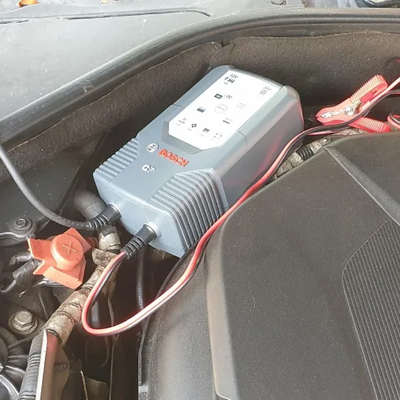
Low System Voltage and Weak Charging Performance

A vehicle that struggles to maintain stable voltage can show weak throttle response even if it starts and idles normally. Modern control units rely on consistent electrical supply to drive throttle motors, read sensors accurately, and manage airflow and timing adjustments. When voltage drops below what the ECU expects, the throttle can feel slow to react because the control system begins prioritising essential functions over performance.

Low alternator output, ageing batteries, or voltage dips under load can create inconsistent throttle behaviour during take off, lane changes, or slow speed driving. Drivers may also notice dim lighting, slower cranking history, or brief electrical fluctuations when accessories are switched on. These signs often appear before warning lamps activate, which can make the issue appear unrelated to the electrical system until proper diagnostic testing is carried out.

Electrical Issues That Cause Weak Throttle Response

Sensor Faults That Soften Throttle Input

Electrical sensors play a major role in how sharply a vehicle reacts to pedal movement, and they do not need to fail completely before drivability begins to change. A single drifting or noisy signal can influence how the ECU interprets load, airflow, and pedal position, which leads to a softer or delayed feel even though the engine appears healthy.

  • Accelerator pedal sensors can develop dead spots or slight mismatches between their dual tracks, which makes the ECU treat the input as unreliable.
  • Throttle position sensors can deliver inconsistent feedback when worn or contaminated, causing the throttle plate to move more slowly than commanded.
  • MAP and MAF sensors may send incorrect airflow or manifold pressure data, which affects fuel delivery and timing adjustments that influence throttle pickup.
  • Coolant temperature sensors can distort warm up enrichment and load calculations when reporting incorrect temperatures, creating sluggish response during light acceleration.

When any of these signals drift out of range, the ECU often reduces throttle authority until it receives cleaner information. Drivers usually feel this as hesitation, flat spots, or delayed rev rise, especially during low speed manoeuvres or steady acceleration.

Electrical Issues That Cause Weak Throttle Response

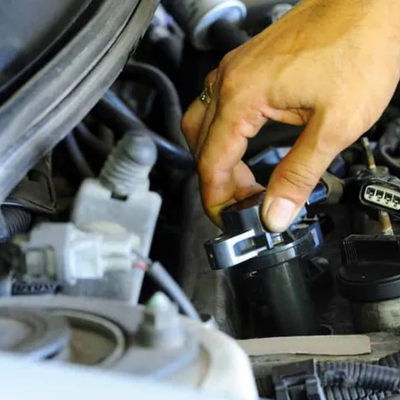
Wiring, Plugs, and Ground Problems

Electrical signals rely on clean pathways, so any resistance or instability in wiring, connectors, or grounding points can alter the way the throttle reacts. Corrosion, loose terminals, or damaged loom sections restrict current flow and distort sensor readings, which makes the ECU less confident in the data it receives. Even a small voltage drop along a shared circuit can influence multiple systems at once, creating drivability issues that appear unrelated at first glance.

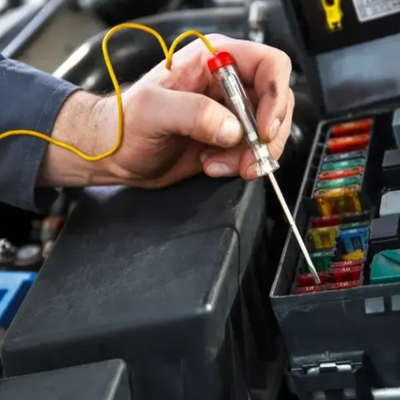
Many of these faults become worse with heat, vibration, or moisture because movement in the loom can open or close the fault intermittently. This often results in hesitation that comes and goes without any pattern, especially during take off or slow speed driving. Since these issues rarely trigger immediate fault codes, proper testing is needed to check voltage drop, ground integrity, and connector condition throughout the affected circuits.

Electrical Issues That Cause Weak Throttle Response

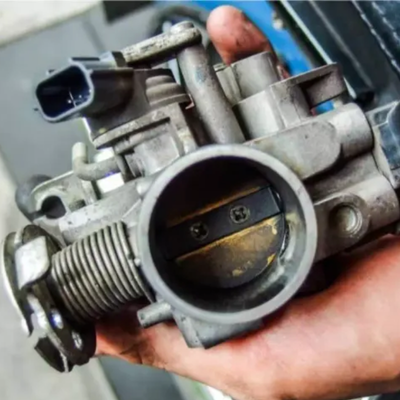
Throttle Body Electrical Issues

The throttle body relies on an electric motor and position sensor to control airflow, so electrical instability here can cause rapid changes in throttle behaviour. When the motor struggles to move the plate smoothly or the position signal becomes unreliable, the ECU reduces throttle opening to maintain predictable torque delivery. Drivers often feel this as hesitation during light acceleration, slow response from a standstill, or a flat spot when trying to increase speed gently.

  • Throttle motors can draw extra current when worn or partially binding, which slows plate movement and creates lag.
  • Connectors may loosen or develop water entry, altering the signal between the throttle body and the ECU.
  • Carbon buildup can increase resistance in the mechanism, making the motor work harder and respond less cleanly.
  • Incorrect adaptation after battery work or throttle servicing can cause the ECU to react cautiously until relearn procedures are completed.

When these issues develop, the ECU may limit throttle authority to prevent surging or unstable airflow. This protective behaviour keeps the vehicle safe to drive, but it also creates a dull or inconsistent feel until the underlying electrical problem is resolved.

Electrical Issues That Cause Weak Throttle Response

ECU Limits and Fail-Safe Behaviour

The ECU constantly assesses sensor data to decide how much throttle to allow, so any conflicting or unstable information can trigger protective limits. When the control unit sees values that do not align with expected airflow, load, or pedal movement, it reduces throttle opening to keep torque delivery predictable. This can feel like slow pickup or muted response during everyday driving, even though the engine itself may sound and idle normally.

Many vehicles also link throttle control with traction, stability, and torque management systems. If one of these systems interprets a situation as unsafe or inconsistent, it can momentarily reduce throttle to stabilise the vehicle. These reductions may occur without a warning lamp, which makes the behaviour seem random until proper electrical testing by a professional auto electrician confirms the source of the signal conflict.

Electrical Issues That Cause Weak Throttle Response

What to Check Before the Issue Gets Worse

Drivers often notice patterns long before the ECU logs a clear fault, and these clues can point toward electrical causes. Paying attention to when the hesitation appears or what electrical loads are active can help narrow the source, especially if the behaviour becomes more noticeable during night driving, cold starts, or stop start traffic. These observations give technicians valuable direction when tracing voltage drop or unstable sensor readings.

  • Note when the hesitation occurs, such as after a cold start, in rain, during heavy electrical use, or when the vehicle is hot.
  • Think about any recent battery changes, jump starts, or flat battery events that may have affected system stability.
  • Watch for other electrical quirks, including dim lighting, intermittent warning lamps, or accessory behaviour changes.
  • Take note of warning lights that appear briefly or disappear quickly, as these may indicate early signal instability

These checks help highlight patterns that often point toward electrical causes rather than mechanical faults. If the issue repeats or becomes more frequent, a proper diagnostic session is the safest way to identify voltage drop, signal noise, or component faults before drivability worsens.

Electrical Issues That Cause Weak Throttle Response

Book a Drivability and Electrical Check With Us

If your vehicle feels slow to respond or shows hesitation during everyday driving, our team can carry out targeted electrical testing to identify the cause. We use diagnostic equipment to check voltage stability, sensor accuracy, throttle control signals, and wiring integrity, which helps pinpoint issues before they escalate. Many weak throttle problems come from small electrical faults that are easy to miss without proper testing, so early inspection can save time and prevent unexpected breakdowns.

If your vehicle is difficult to start, unreliable to drive, or not safe to move, our mobile auto electrical fleet can come to you. We service Brisbane, Moreton Bay, and the Sunshine Coast and can assist on the road, at home, or at your workplace. To book a drivability and electrical check, call Bashi’s Auto Electrical on 07 5495 7333 or book online for quick assistance and reliable support.

Electrical Weak Throttle Response FAQs

Yes. A battery can have enough charge to start the engine but still drop voltage under load while driving. That voltage dip can affect pedal sensors, throttle control, or ECU reference supply, which softens throttle reaction.

Adding load from headlights, air conditioning, or rear demisters increases current demand. If the charging system or battery is borderline, the extra load can pull system voltage down and the ECU may reduce throttle authority to keep control stable.

Not always. Grounds can fail intermittently, especially with heat or vibration, so the signal may only drop out briefly. The ECU might react by dulling throttle without logging a clear code straight away.

It is often both working together. Buildup can make the throttle plate harder for the motor to move cleanly, which changes current draw and feedback timing. The ECU then limits throttle opening because movement is not matching command as closely as it should.

Yes. Alternators can produce acceptable voltage at idle but dip during load changes or at certain RPM ranges. Those dips can distort sensor readings or slow throttle motor response, leading to weak pickup.

In many vehicles, yes. Disconnecting power can reset throttle adaptation values, and until the ECU relearns idle and throttle positions, response can feel slightly delayed. We can handle the relearn correctly as part of our testing.