Is Your Car Using Too Much Fuel? Signs It Could Be an Electrical Problem

When a vehicle starts burning through fuel faster than usual, most drivers assume the problem is mechanical. They check tire pressure, oil quality, or fuel grade. But in many cases, the real issue lies in the electrical system. Modern engines rely on a network of sensors and control units to maintain fuel efficiency. When something in that system fails, fuel consumption can rise even if the car seems to run normally.

If your car is using too much fuel and you can’t find a clear mechanical reason, the fault may be hidden in the electrical system. Small components like sensors or coils can have a big impact on how much fuel your engine uses.
How Electrical Systems Affect Fuel Use

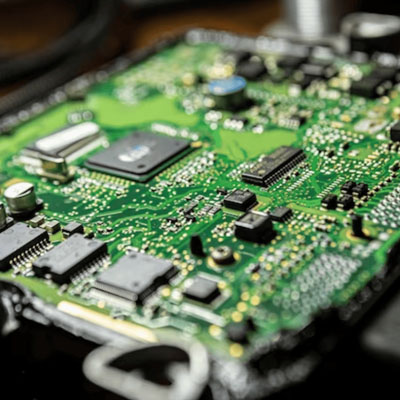
Electronic control units (ECUs) manage everything from ignition timing to fuel injection ratios. These systems rely on constant feedback from sensors to determine how much fuel to deliver and when. If that feedback is inaccurate, the ECU may adjust fuel delivery incorrectly, leading to waste.

For example, if a sensor tells the ECU that the engine is cold when it isn’t, it may run richer than necessary. If airflow is misread, the fuel-to-air ratio becomes unbalanced. Electrical faults don’t always cause the engine to misfire or shut down, but they quietly reduce efficiency over time.

Is Your Car Using Too Much Fuel? Signs It Could Be an Electrical Problem

Common Electrical Issues That Lead to Increased Fuel Consumption

If your car is burning through fuel faster than usual, one of these electrical faults could be the reason.

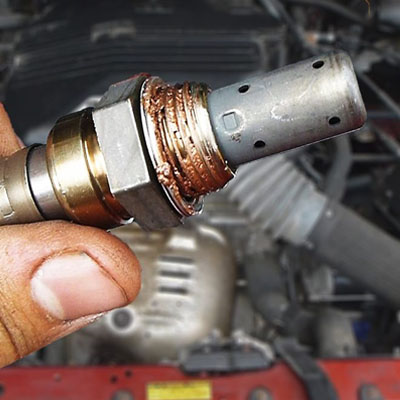
  • Faulty oxygen sensor: An ageing or damaged oxygen sensor sends false data to the ECU, causing it to use too much fuel.
  • Malfunctioning mass air flow (MAF) sensor: If this sensor fails, the ECU can’t correctly match fuel to incoming air, often leading to a rich mixture.
  • Bad coolant temperature sensor: A faulty sensor may signal that the engine is cold, causing the ECU to enrich the fuel unnecessarily.
  • Failing spark plugs or ignition coils: Weak or inconsistent sparks cause incomplete combustion, which wastes fuel and lowers performance.
  • Parasitic battery drain: If the electrical system constantly draws power, the alternator must work harder, increasing engine load and fuel use.
Is Your Car Using Too Much Fuel? Signs It Could Be an Electrical Problem

Each of these issues contributes to reduced efficiency, even if the vehicle seems to drive normally. Most cannot be confirmed without a proper electrical diagnostic.

Warning Signs Your Car Has an Electrical Fault

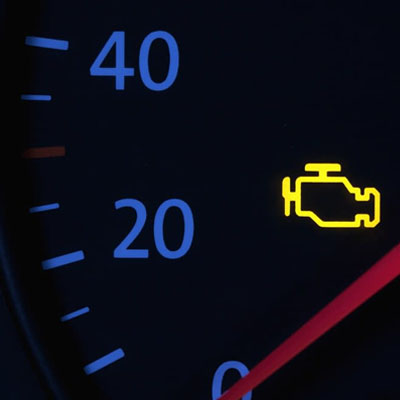
When your vehicle’s electrical system begins to fail, the symptoms can be easy to dismiss. You may notice rough idling, slow throttle response, or a sudden drop in fuel economy. Dashboard warning lights may appear, but not always. In many cases, the car may still feel drivable.

These signs are often misinterpreted as engine trouble or fuel system problems. However, when mechanical systems check out, electrical faults are the next logical place to investigate. These small performance changes often indicate larger issues hidden in the wiring, sensors, or control systems.

Is Your Car Using Too Much Fuel? Signs It Could Be an Electrical Problem

How an Auto Electrician Can Help Diagnose Fuel Efficiency Problems

A qualified auto electrician can test your vehicle’s electrical system to find faults affecting fuel use. These checks often reveal problems missed during standard mechanical servicing.

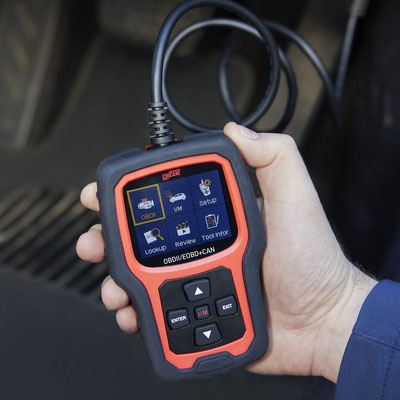
  • Scan the vehicle’s ECU to check for stored or pending fault codes that relate to fuel trims or sensor performance.
  • Test sensors like oxygen, MAF, and coolant temperature to confirm they’re providing accurate voltage and response.
  • Check ignition components such as spark plugs, leads, and coils for signs of wear, misfire history, or intermittent faults.
  • Inspect battery and charging system to detect parasitic drain or alternator overload that places excess load on the engine.
  • Measure fuel trim values and live data using diagnostic tools to assess how efficiently the engine is managing combustion.
Is Your Car Using Too Much Fuel? Signs It Could Be an Electrical Problem

By combining live diagnostics with component testing, an auto electrician can find the actual source of fuel waste rather than relying on guesswork.

Why Fuel Efficiency Problems Aren’t Always Mechanical

It’s easy to assume that low tyre pressure, poor fuel quality, or a dirty air filter are the reasons your car is using too much fuel. While those factors do play a role, they rarely cause consistent or severe fuel economy issues unless they’re extreme. Drivers often spend time addressing these visible issues without considering whether the cause might lie elsewhere.

Electrical faults, on the other hand, are often quiet and difficult to detect. A sensor that misreads engine temperature or airflow won’t make noise or trigger an obvious warning, but it can reduce fuel economy gradually over weeks or months. Without a proper diagnostic, many people end up replacing the wrong parts, wasting both time and money in the process.

Is Your Car Using Too Much Fuel? Signs It Could Be an Electrical Problem

Don’t Ignore Subtle Fuel Efficiency Changes

A drop in fuel efficiency is easy to overlook at first, especially if the vehicle seems to be running fine. But over time, these subtle changes add up in fuel costs and lost performance. While mechanical problems do occur, the electrical system is often the hidden cause when nothing else seems wrong.

At Bashi’s Auto Electrical, we specialise in identifying the faults that other services might miss. If your car is using too much fuel, our mobile diagnostic service can pinpoint the real issue, whether it’s a faulty sensor, coil, or control module. Book a visit today by calling 07 5495 7333 or clicking here to let us take care of it properly.

FAQ: Electrical Problems and Fuel Efficiency

Yes. A failing oxygen sensor provides false readings to the ECU, which can result in a rich fuel mixture and poor fuel economy.

If mechanical checks reveal nothing wrong, and symptoms include rough idling or slow throttle response, it’s time to consider electrical causes.

Not always. Some faults don’t trigger warning lights but still impact fuel performance. A diagnostic scan is often the only way to confirm.

They ignite the air-fuel mixture. If they’re misfiring or weak, combustion becomes inefficient and fuel is wasted.

By testing and repairing faults in the sensors, ignition, or control circuits that affect how fuel is delivered and burned by the engine.