Faulty Actuators, Resistors & Switches: Why Your Car’s Heating or Cooling Isn’t Working

When your car heater or air conditioning suddenly stops working, most people assume it’s a problem with the fan, compressor, or thermostat. In many cases though, the actual cause is much smaller. Components like the blower motor resistor, HVAC actuator, or control switch are often behind issues that seem much bigger than they are.

These electrical parts are essential for airflow, temperature control, and system responsiveness. If your car is freezing on a cold morning or stuck blowing hot air in summer, these overlooked components could be responsible. With the right diagnostic approach, they can usually be repaired or replaced quickly.
How the Climate Control System Works

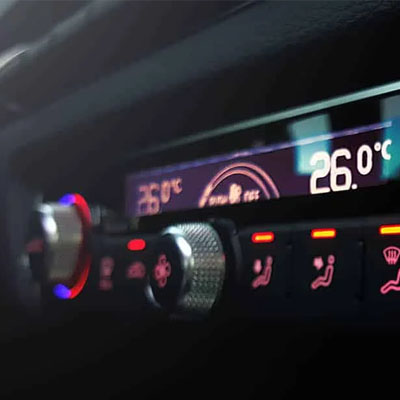
The car heater and air conditioning system rely on a combination of mechanical and electrical parts to regulate cabin temperature. While the heater draws warmth from the engine’s coolant and the AC system cools air using a compressor and refrigerant, both systems depend on precise electronic control. These controls allow drivers to select temperature, fan speed, and airflow direction with a high level of accuracy.

Blower resistors manage fan speeds, actuators adjust blend doors to direct air where it’s needed, and switches on the climate control panel allow the driver to set preferences. If any of these components fail, it may seem like the heating or cooling system has stopped working entirely, when in reality, the issue lies in the control system. Without these parts functioning properly, the rest of the system cannot deliver consistent or accurate performance.

Faulty Actuators, Resistors & Switches: Why Your Car’s Heating or Cooling Isn’t Working

Signs Your Blower Motor Resistor Might Be Faulty

A faulty blower motor resistor can lead to inconsistent airflow or total fan failure. Look for these signs if your climate system isn’t responding properly.

  • Fan only works on one speed or not at all: Most commonly, high speed still works while lower speeds fail.
  • No air coming through vents even when system is on: A non-functioning resistor may prevent the blower from activating.
  • Fan operates intermittently or unpredictably: This can be a sign of a failing resistor or a loose connection.
  • Burning smell from the dashboard: Excess heat from a damaged resistor can cause odours.
  • Heater or air conditioning works but airflow is weak: This suggests the core systems are fine, but airflow isn’t being managed correctly.
Faulty Actuators, Resistors & Switches: Why Your Car’s Heating or Cooling Isn’t Working

Replacing a blower resistor is usually straightforward, but proper diagnosis is key to avoiding unnecessary repairs.

Symptoms of a Failing HVAC Actuator

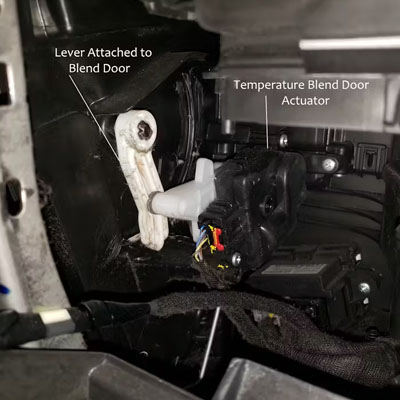
Actuators are small motors that open and close air doors within your climate system. They control which vents air flows through, whether it’s mixed for temperature control, and how air is distributed between the floor, dash, and defrost settings. If an actuator fails, airflow may be directed incorrectly or remain stuck in one mode regardless of your settings.

Common signs include clicking or tapping noises behind the dashboard, air blowing from the wrong vents, or a temperature setting that no longer responds. These symptoms can mimic larger system failures, making it important to inspect actuator operation before replacing more costly parts. Identifying a faulty actuator early can save time, money, and frustration.

Faulty Actuators, Resistors & Switches: Why Your Car’s Heating or Cooling Isn’t Working

What Happens When Climate Control Switches Stop Working

The climate control panel may look simple, but it’s a complex electrical interface. If switches or dials inside fail, you may notice:

  • No response when adjusting temperature or fan settings: The system appears dead or non-functional.
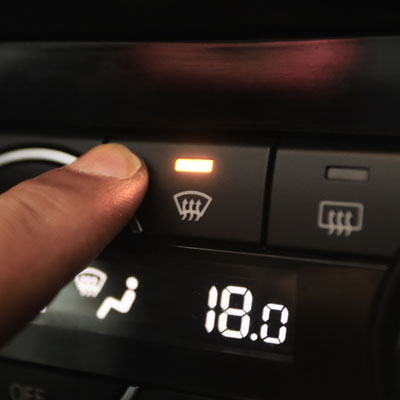
  • Buttons light up but the system doesn’t activate: This suggests the control unit is powered but unable to send signals to the system.
  • Inconsistent behaviour, like settings changing on their own: Internal switch contacts may be worn or shorting.
  • AC or heater turns on but cannot be adjusted: You’re stuck with one temperature or airflow setting.
  • Complete loss of function from the control unit: In some cases, this may require full panel replacement.

Faulty switches may require full panel replacement or internal repair. An auto electrician can test input and output signals to confirm the issue.

Faulty Actuators, Resistors & Switches: Why Your Car’s Heating or Cooling Isn’t Working

Diagnosing Electrical Issues in the Climate System

Electrical issues in heating and cooling systems aren’t always easy to spot. Diagnosis involves targeted testing using the right tools and experience. A multimeter can check voltage and continuity at the blower resistor, switches, and actuators. Scan tools are often needed to detect fault codes or erratic sensor data that point to deeper electronic faults.

Misdiagnosing the issue may lead to unnecessary replacement of major parts when a resistor or actuator is the real cause. That’s why climate control problems should always be inspected by someone trained in auto electrical systems. When your car heater or air conditioning isn’t working, especially when other components appear fine, it’s time to look at the electronics.

Faulty Actuators, Resistors & Switches: Why Your Car’s Heating or Cooling Isn’t Working

Small Faults Can Cause Big Comfort Problems

Faulty switches, resistors, and actuators might be small, but the problems they cause can feel massive. In Queensland’s colder mornings or hot summer commutes, losing climate control in your vehicle affects safety, comfort, and visibility. A working heater or air conditioning system is essential for demisting windows, staying alert, and driving in comfort.

If your heater isn’t responding, or your AC system seems functional but nothing is coming through the vents, these overlooked parts could be the cause. At Bashi’s Auto Electrical, we diagnose and repair climate system faults quickly. Whether the fault is in the dashboard or under the bonnet, our mobile team can come to you and get your system back up and running.

If you are struggling to find the right temperature for your commute, give us a call on 07 5495 7333 or fill in our online form to arrange a time for an experienced auto electrician to take a look at your vehicle.

FAQ: Resistors, Switches & Actuators in Heating and Cooling

It controls the speed of the fan that pushes air through the vents. If it fails, you may lose airflow control entirely.

Clicking noises, airflow from the wrong vents, or temperature that won’t adjust properly are common signs.

Yes. If the climate control panel isn’t sending the right signals, the system may not activate or respond to adjustments.

Yes. That usually means the actuator gears are stuck or worn but still trying to move.

Often yes. Replacing the individual component — switch, resistor, or actuator — is usually more cost-effective than replacing the whole system.