5 Electrical Symptoms You Should Never Ignore in Your Car

Many electrical problems begin quietly, with small changes that are easy to dismiss or explain away. A warning light that clears on its own, a slow start that only happens occasionally, or a flicker in the headlights may not seem serious at first. Over time, however, these early signs often point to developing faults within the vehicle’s electrical system.

Modern vehicles rely on stable voltage and constant communication between control modules, sensors, and accessories. When that stability begins to weaken, symptoms usually appear long before a complete failure occurs. Paying attention to these warning signs early can help prevent breakdowns, ongoing faults, and unnecessary repair costs.
1. Persistent or Repeated Warning Lights

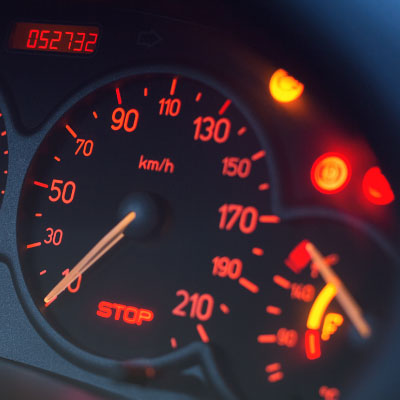
Warning lights that appear briefly and then clear on their own are often dismissed as minor glitches. When the same lights return repeatedly or different warning symbols appear at random, it usually points to an underlying electrical issue rather than a one-off fault. These patterns often indicate unstable voltage supply, intermittent sensor communication, or early control module problems.

In many cases, the vehicle continues to drive normally despite the warnings, which makes the issue easy to ignore. Over time, however, repeated warning lights can become more frequent as electrical stability continues to decline. What starts as an occasional alert may eventually develop into a permanent fault that affects performance, fuel efficiency, or safety systems if left unchecked.

Car dashboard warning lights indicating serious electrical system problems

2. Slow or Inconsistent Starting

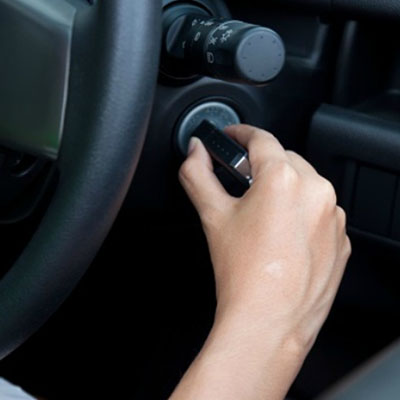
When a vehicle cranks slowly, hesitates before starting, or starts easily one day and struggles the next, it often points to electrical supply problems. These symptoms are commonly linked to battery condition, voltage drop through corroded connections, or weakening earth points. Because the engine eventually starts, many drivers assume the issue is minor and continue driving without further investigation.

Inconsistent starting is rarely random. It tends to worsen in hot or cold conditions, after the vehicle has been sitting, or when electrical load is higher than normal. As voltage delivery becomes less reliable, starter motors and control systems receive less power than they require, which increases wear and raises the risk of sudden no-start situations.

Car struggling to start from battery or wiring electrical issues

3. Flickering or Dimming Lights

When headlights or dashboard lights begin flickering, pulsing, or dimming, it usually points to unstable electrical supply. These changes often occur when the engine is idling, accessories are switched on, or driving conditions change. In many cases, the issue is linked to alternator output variation, wiring resistance, or poor connections affecting voltage delivery.

Lighting problems are especially useful indicators because they respond immediately to changes in electrical load. When voltage drops even briefly, lights are often the first systems to show it. Ignoring these signs can allow charging or wiring faults to progress, eventually affecting more critical systems such as engine management or safety electronics.

Vehicle headlights flickering due to underlying electrical faults

4. Accessories Cutting In and Out

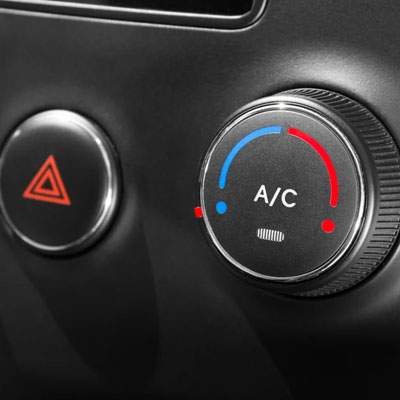
Accessories that switch off unexpectedly, reset themselves, or work intermittently often point to unstable power distribution. Infotainment systems may reboot, air conditioning controls may stop responding briefly, or power windows and mirrors may fail without warning. These problems are commonly caused by loose connections, shared power feeds, or control modules losing stable voltage.

Because these faults tend to clear on their own, they are often dismissed as temporary glitches. In reality, repeated power interruptions place additional strain on electronic components and can lead to permanent failure over time. As electrical supply becomes more unreliable, accessories are usually among the first systems to show signs of trouble.

Malfunctioning controls caused by electrical failure

5. Burning Smell or Hot Wiring

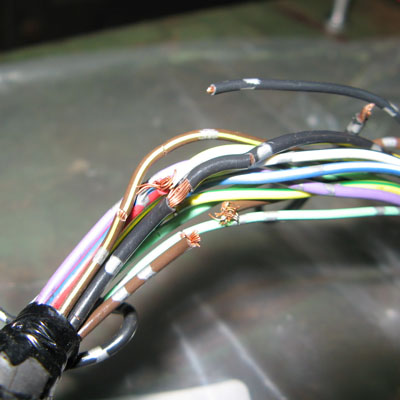
A burning smell inside the cabin or from the engine bay should never be ignored, especially when it appears during electrical operation. This smell often comes from overheating wiring insulation, overloaded circuits, or failing electrical components generating excessive heat. In some cases, trim panels or dashboards may feel unusually warm near affected wiring, indicating rising temperatures behind the scenes.

These symptoms represent a serious safety risk. Damaged insulation can expose conductors, increase resistance, and create conditions where short circuits or fires may occur. Unlike other electrical warning signs that develop gradually, overheating wiring can escalate quickly. Any burning odour or sign of excessive heat should be checked immediately to prevent further damage or potential hazards.

Burning smell inside car from overheating electrical components

When These Symptoms Need Checking

If any of these electrical warning signs appear regularly, it is worth having the system checked before the issue becomes more serious. Small voltage drops, unstable connections, or early component wear often sit behind these symptoms, even when the vehicle still seems to drive normally. Early inspection can help identify where electrical stability is being lost and prevent repeat faults or unexpected breakdowns.

If warning lights keep returning, starting becomes unreliable, accessories continue resetting, or unusual smells are present, a targeted electrical check can pinpoint the cause. Our team can assess battery condition, charging performance, wiring integrity, and control module communication to determine what needs attention. For vehicles that are difficult to drive confidently or show ongoing electrical behaviour, our mobile auto electrical service can assist across Brisbane, Moreton Bay, and the Sunshine Coast. Call 07 5495 7333 to book, or click here to contact us online and arrange an inspection.

FAQ Auto Electrical Symptoms You Should Never Ignore

Yes. Many developing electrical faults appear intermittently at first, then become more consistent over time as voltage stability continues to decline.

Not always. Ongoing electrical instability can place extra strain on components and increase the risk of sudden failure.

No. Some relate to minor issues, but repeated or random warnings usually indicate an underlying electrical problem that should be checked.

Yes. Weak or unstable batteries can affect starting, lighting, accessories, and control module communication at the same time.

Poor connections, corrosion, and resistance tend to increase gradually, reducing system tolerance and making faults more frequent.

Yes. Burning odours often indicate overheating wiring or components and should be inspected immediately for safety reasons.