Why Your Car’s Air Conditioning Might Be an Electrical Issue

In Queensland’s summer heat, few things are more frustrating than a car air conditioner that refuses to cool. Most drivers immediately think of gas leaks or a faulty compressor, but not all air conditioning problems are mechanical. Many issues actually come down to the electrical systems that power and control the AC.

From fuses and relays to wiring faults and sensors, electrical components play a bigger role in keeping your air conditioning running than most people realise. Without looking at the electrical side of the system, you may end up replacing parts that were never the problem.

How Car Air Conditioning Normally Works

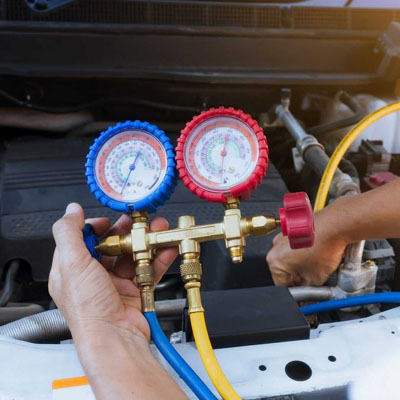
A car’s air conditioning system is made up of both mechanical and electrical components working together. On the mechanical side, the compressor, refrigerant, and condenser handle the cooling process itself. These parts circulate and pressurise refrigerant to absorb heat from the cabin and release it outside.

The electrical side makes the system usable. Switches, relays, resistors, and sensors control when the compressor engages, how fast the blower fan runs, and whether the cabin receives cold or warm air. Climate control modules in newer vehicles monitor signals and make automatic adjustments. If any of these electrical parts fail, the whole system can stop working even when the mechanical components are still in good condition.

Why Your Car’s Air Conditioning Might Be an Electrical Issue

Common Electrical Problems That Stop AC From Working

When car air conditioning suddenly stops working, the fault is not always a leak or a failed compressor. Electrical components often play a part in keeping the system running, and when they fail, the symptoms can look very similar to mechanical problems. Some of the most common electrical faults include:

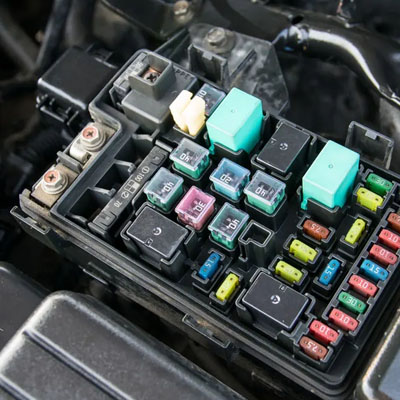
  • Blown fuses that cut power to the compressor or blower motor, leaving the AC completely inactive.
  • Relays that stick or fail so the compressor clutch never engages, even though the rest of the system is intact.
  • Worn blower motor resistors causing the cabin fan to stop working on certain speeds or not at all.
  • Wiring damage or corroded connectors that interrupt current flow and create intermittent faults.
  • Faulty pressure switches or sensors that send incorrect signals to the climate control system, shutting down the AC unnecessarily.
Why Your Car’s Air Conditioning Might Be an Electrical Issue

Because these faults can mimic mechanical failures, they often lead to wasted money on re-gassing or compressor replacements that don’t fix the problem. Electrical testing is the only way to confirm whether the issue lies in the wiring, sensors, or circuits rather than the mechanical components.

Signs Your AC Problem Is Electrical

When your car’s air conditioning stops working, it can be tricky to tell whether the fault is mechanical or electrical. Mechanical failures usually cause a gradual loss of cooling, while electrical issues often appear suddenly or behave inconsistently.

One clear sign is when the AC will not turn on at all, even though the engine is running normally. Another clue is when the blower fan only works on certain speeds or cuts out completely. Some drivers also notice that cold air comes and goes depending on bumps or movement, which often points to a loose connection or damaged wiring. In other cases, the AC button or control panel lights up but nothing happens, showing that the electrical command isn’t reaching the components it should.

Why Your Car’s Air Conditioning Might Be an Electrical Issue

Why DIY Fixes Can Make AC Problems Worse

When air conditioning stops working, many drivers first assume the system needs a re-gas. If the fault is actually electrical, this approach wastes money and does nothing to restore cooling. Some also try pulling fuses or swapping relays, but without proper tools, this can damage wiring or introduce new faults into the system.

Modern vehicles complicate things further. Climate control modules, electronic switches, and pressure sensors all rely on precise data and correct wiring. Guesswork repairs or quick fixes can confuse the system and make diagnosis harder later. Because electrical problems often mimic mechanical ones, professional testing is the safest way to get to the root cause without creating extra expense or risk.

Why Your Car’s Air Conditioning Might Be an Electrical Issue

How Auto Electricians Diagnose AC Electrical Faults

Electrical air conditioning problems rarely show obvious signs, which is why testing is essential. Auto electricians use specialised tools and a structured process to find the true cause rather than relying on trial and error.

  • Fuse and relay testing: Each AC circuit is checked to confirm that power is reaching the components as it should.
  • Blower motor inspection: The resistor, fan motor, and related wiring are tested to confirm correct airflow.
  • Wiring and connector checks: Corroded or loose contacts are identified and repaired before they cause further faults.
  • Sensor and switch testing: Pressure switches, temperature sensors, and control modules are scanned to confirm they are sending accurate signals.
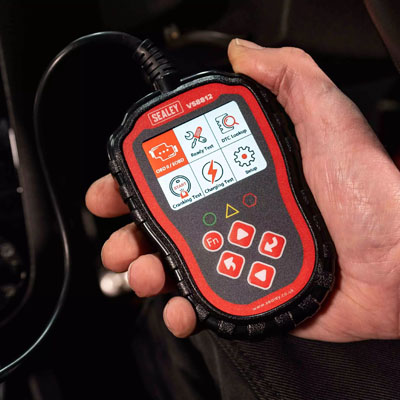
  • Module scanning: In newer vehicles, climate control systems are read electronically to identify hidden error codes.
Why Your Car’s Air Conditioning Might Be an Electrical Issue

This method ensures that the real problem is identified and repaired safely. By checking each part of the electrical chain, electricians can restore the air conditioning without unnecessary part replacements or wasted costs.

Get Your Car’s AC Fixed the Right Way

A failing air conditioner in the middle of summer is more than an inconvenience. When the fault is electrical, topping up gas or swapping parts won’t solve the problem. Electrical issues such as blown fuses, faulty relays, or damaged wiring need proper testing to restore the system and keep it running reliably.

At Bashi’s Auto Electrical, we specialise in diagnosing the electrical side of car air conditioning faults. Whether your AC won’t turn on, only blows at certain speeds, or keeps cutting out unexpectedly, our team has the tools and expertise to trace the real cause. Call us today on 07 5495 7333 or book online for a mobile service, and we’ll get your car cooling properly again.

Frequently Asked Questions

If your AC won’t switch on, the cause is often electrical. A blown fuse, faulty relay, or damaged wiring may be preventing power from reaching the compressor or blower motor. These issues mimic mechanical failures, but only proper testing confirms the real fault.

Yes. The air conditioning system relies on several fuses to protect its circuits. If one of these fuses blows, the system may stop working completely. Replacing the fuse may restore operation temporarily, but the underlying issue that caused it to blow should also be checked.

Intermittent faults usually point to electrical problems. Loose connectors, corroded wiring, or failing relays can cut power unpredictably. These faults often make the AC work one day and fail the next, creating confusion unless tested by an auto electrician.

No. While refrigerant leaks are common, many AC faults are electrical in nature. A system that won’t turn on, blows at the wrong speed, or cuts out suddenly is more likely to be caused by an electrical issue than low gas.

DIY attempts often make electrical problems worse. Pulling fuses, bridging relays, or guessing at wiring connections can create new faults or damage expensive modules. Professional testing is the safest way to restore air conditioning properly.