Why Your Battery Keeps Going Flat After Short Trips

A car battery relies on consistent driving time to stay fully charged. When vehicles are used for short, frequent trips, the battery often loses more power starting the engine than it regains while running. Over time, this pattern creates a gradual deficit that leaves drivers wondering why the battery keeps going flat despite regular use.

In many cases, the problem has less to do with battery age and more to do with alternator output, short-trip charging efficiency, and parasitic draw. Modern vehicles consume small amounts of power even when parked, and limited driving time gives the alternator little opportunity to replenish what is lost. This combination eventually leads to weak starts, dim headlights, or a completely flat battery that seems to fail without warning.

How Short Trips Limit Charging Efficiency

Every time a vehicle starts, the starter motor draws a large burst of current from the battery. The alternator is responsible for replenishing that energy once the engine is running, but it takes time to do so. During short drives, the alternator rarely operates long enough to return the battery to a full state of charge. In stop-start traffic or low-speed driving, output is even lower, as alternators produce less voltage at idle.

Over weeks or months of short-distance use, the battery remains partially charged most of the time. This partial state encourages sulphation, a process where lead sulphate crystals harden on the plates inside the battery. Once this occurs, the battery loses both capacity and efficiency, making it more likely to go flat after even minor electrical use. Vehicles that are regularly driven only a few kilometres each day are at the highest risk of this gradual failure.

Why Your Battery Keeps Going Flat After Short Trips

Common Factors That Drain a Battery After Short Drives

Short-trip driving creates conditions that limit charging and increase drain. Even when the alternator and battery are working properly, certain habits and electrical demands reduce the battery’s ability to recover between starts. These are some of the most common factors that lead to a flat battery despite frequent use.

  • Frequent short journeys prevent the alternator from replenishing the charge used during engine start-up, keeping the battery below optimal voltage.
  • Heavy accessory use early in the drive, such as headlights, air conditioning, or demisters, consumes power before the alternator output has stabilised.
  • Cold starts increase current draw, particularly in winter when oil is thicker and the starter motor works harder.
  • Stop-start systems designed for fuel efficiency cause multiple ignition cycles in one trip, accelerating discharge.
  • Parasitic draw from devices like dash cameras, alarms, or infotainment systems continues after the car is parked, gradually draining the battery between drives.
Why Your Battery Keeps Going Flat After Short Trips

Even when each factor seems minor on its own, the combined effect can prevent a vehicle from ever reaching a full state of charge. Over time, this constant deficit causes weak starting performance and reduces the overall life of the battery.

When Alternator Output Becomes the Problem

Even with healthy driving habits, a weak or inconsistent alternator output can cause the battery to go flat. The alternator must supply enough voltage to recharge the battery while powering the vehicle’s electrical systems. If its output is below specification, the battery will continue to discharge over time, especially during short trips.

Modern vehicles often regulate charging voltage to reduce engine load and improve fuel economy. This system can leave the battery slightly undercharged if trips are short or accessories draw heavy current. Ageing alternators, worn belts, or corroded wiring connections reduce output further. When voltage fluctuates or remains too low, the battery never reaches full capacity, eventually leading to poor starting and intermittent electrical faults.

Why Your Battery Keeps Going Flat After Short Trips

How Parasitic Draw Builds Up Over Time

Modern vehicles rely on a network of control modules and convenience systems that continue to draw small amounts of power when the engine is off. Over time, these small draws can add up, especially when short-trip driving prevents the alternator from fully recharging the battery. Below are some of the most common causes of parasitic draw and how they lead to a flat battery.

  • Faulty modules or sensors that remain active after shutdown can continue drawing current overnight.
  • Aftermarket devices such as dash cameras or USB chargers are often wired to permanent power instead of switched power.
  • Ageing relays or switches may stick intermittently, leaving certain circuits engaged.
  • Infotainment systems and smart electronics sometimes stay active to maintain connectivity or perform updates, using more current than expected.
  • Interior or boot lights that fail to turn off due to faulty switches or alignment issues can drain the battery within hours.
Why Your Battery Keeps Going Flat After Short Trips

Each of these draws might seem insignificant, but together they place a constant load on the battery. Without long driving periods to replace that charge, the result is a flat battery that worsens with each day the vehicle sits idle.

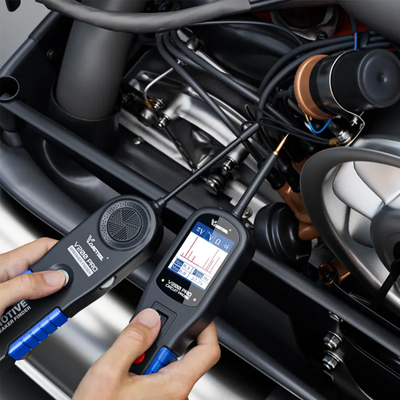
How Auto Electrical Testing Pinpoints the Real Cause

A modern vehicle’s electrical system can hide several problems that all lead to the same outcome: a flat battery. Comprehensive testing separates these issues by checking alternator voltage, parasitic draw, and battery condition under load. This process determines whether the problem lies with the charging system, a hidden electrical fault, or driving habits that limit charging time.

During testing, technicians measure resting current draw to identify whether components are consuming power while the car is parked. Alternator performance is also checked to confirm that it produces the correct voltage across different engine speeds. By analysing these readings together, an auto electrical specialist can identify whether the issue stems from insufficient output, internal battery deterioration, or continuous draw from an accessory circuit. This diagnostic approach provides certainty before any parts are replaced and ensures the right repair is made the first time.

Why Your Battery Keeps Going Flat After Short Trips

Fix Battery Problems Before They Leave You Stranded

A battery that keeps going flat after short trips is more than an inconvenience. It is a sign that the vehicle’s charging system, driving patterns, or electrical circuits are out of balance. Identifying the cause early saves time and prevents ongoing frustration with repeat failures.

If your vehicle struggles to start or loses charge after being parked for only a day or two, it may be time for diagnostic testing. At Bashi’s Auto Electrical, we specialise in detecting alternator output issues, short-trip charging faults, and parasitic draws that drain batteries prematurely. Call 07 5495 7333 or book online to contact us online for expert testing across Brisbane, Moreton Bay, and the Sunshine Coast.

FAQ: Why Car Batteries Go Flat After Short Trips

A typical alternator needs around 30 to 40 minutes of continuous driving at highway speed to restore a healthy charge. Short local trips often provide only a fraction of the power needed to replace what is lost during start-up.

Yes. Repeated short trips keep the battery in a partially charged state, which leads to sulphation and reduced capacity over time. This condition shortens battery life and makes it more difficult to hold a charge.

Parasitic draw refers to electrical current consumed when the vehicle is turned off. Small draws from modules or accessories are normal, but excessive or continuous draw drains the battery between drives.

A voltage test across the battery terminals while the engine is running should show around 13.8 to 14.4 volts. Readings outside this range may indicate poor alternator output, wiring faults, or voltage regulation issues.

Yes. Many vehicles keep certain modules active to maintain system memory, connectivity, or security features. If any component fails to enter standby, the resulting draw can flatten a healthy battery in a few days.