Human Error
This is the most common cause for flat car batteries and it has happened to almost all of us. Forget to turn the headlights off? Didn’t close a door properly which left the internal light on? While this is becoming less of an issue due to newer cars having warning signs and alarms it is certainly an easy thing to do after a big day.
While human error is usually the cause of lights draining your battery it is also a good idea to check your glove box and boot to make sure any internal lights are infact switching off when they are not needed.
Battery Is Old / In Poor Condition
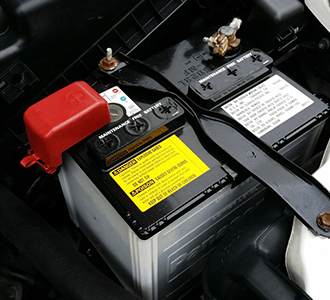
While you might not have experienced a flat battery in quite some time it doesn’t mean your battery isn’t at risk. If you can’t remember the last time you replaced your battery then there is a good chance it’s not in prime condition. As time goes on and your battery gets weaker it becomes more susceptible to the smallest of drains. Things you might not think about such as the memory function of your stereo can deal the killing blow to a weak battery.
Giving your alternator time to charge the battery when you start your car can help prolong the life of an older battery. You can also carry out a visual inspection for signs of rust and corrosion as well to get a better understanding of when it will be time to get the battery replaced.
Electrical Components Causing Issues
Your battery is one part of a system. While it is primarily responsible for powering your engine it also needs to power all of the other electrical components in your car. Power windows, windshield wipers, dash lights and the radio all rely on your battery to operate at their most efficient.
If you find your car is struggling to start but your headlights are as bright as normal then the issues you are experiencing could be caused by a bad starter or poor wiring. However if you find that your lights are dim or not working at all then it’s time to look at the battery.
Extreme Hot and Cold
When your battery experiences extreme changes in temperature there starts to be a build up of lead sulphate crystals. This shortens the life of your battery and increases the amount of time it needs to recharge. If you live in an area that experiences fluctuations in temperature then you should expect to replace your battery more often than normal.