Why Cars Develop Electrical Problems During Heatwaves

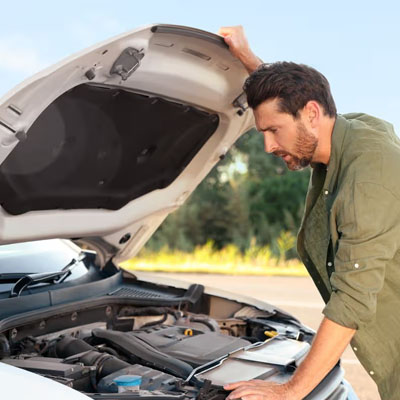
Heatwaves place extra strain on vehicle electrical systems, even when the engine temperature appears normal and no obvious faults are present. Extended high ambient temperatures affect how electrical components operate, particularly in vehicles that are already carrying age, wear, or marginal electrical condition. This is why some electrical issues seem to appear suddenly during extreme heat, then ease once temperatures fall.

Unlike mechanical failures, heat-related electrical problems often show up as inconsistent behaviour rather than a clear breakdown. Vehicles may start and drive normally in cooler conditions, then develop warning lights, starting issues, or system glitches during hot days. These changes are easy to dismiss at first, yet they are often an early sign that heat is exposing underlying electrical weakness.
What Heat Changes Electrically

High temperatures change the way electricity behaves inside a vehicle. As components heat up, electrical resistance increases, which makes it harder for systems to maintain stable voltage under load. Circuits that operate comfortably in mild conditions may struggle during prolonged heat, particularly when multiple systems are active at the same time.

Modern vehicles rely on tight voltage tolerance and clean signal transmission between control modules. When heat pushes resistance higher or reduces signal stability, electronics become less forgiving. The result is not usually an immediate failure, but a narrowing margin where small changes in load or demand begin to cause noticeable disruption.

Why Cars Develop Electrical Problems During Heatwaves

Electrical Components Most Affected by Extreme Heat

Some electrical components are more sensitive to sustained high temperatures than others. These parts may already be operating close to their design limits, and extreme heat reduces their ability to cope with additional load or resistance. When temperatures remain elevated for extended periods, these components are often the first to show signs of stress.

  • Batteries that experience increased internal resistance and accelerated ageing under heat
  • Alternators working harder to maintain charge as electrical demand rises
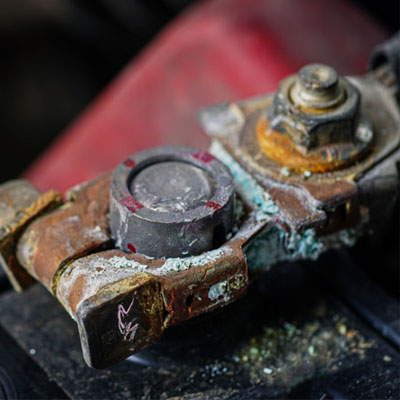
  • Wiring and connectors where heat increases resistance at joins and terminals
  • Control modules exposed to engine bay or under-dash heat
  • Temperature-sensitive sensors that drift outside normal operating range
Heat-related electrical strain inside modern vehicles

Heat does not usually create new faults in these components, but it can expose existing weaknesses. Parts that have been marginal for some time often reach a tipping point during heatwaves, which is why electrical issues can seem to appear suddenly in hot conditions.

Electrical Symptoms That Appear During Heatwaves

During extreme heat, drivers often notice changes in how the vehicle behaves rather than a single clear fault. Starting may feel slower or more hesitant on hot afternoons, even though the battery seems fine in the morning. Warning lights can appear only during the hottest part of the day, then clear once the vehicle cools down. Accessories such as air conditioning controls, power windows, or infotainment systems may also behave inconsistently when cabin and engine bay temperatures rise.

These symptoms can feel random because they do not always repeat under the same conditions. A vehicle may drive without issue at night or after cooling down, then show problems again after sitting in the sun. This inconsistency is one of the reasons heat-related electrical issues are often dismissed at first, even though they point to electrical systems operating under increased stress.

Vehicle electrical systems under extreme heat conditions

Why Heatwave Electrical Faults Often Come and Go

Heat-related electrical faults often appear inconsistent because temperature directly affects resistance and component tolerance. As temperatures climb, resistance increases and voltage margins tighten, which can push already stressed circuits beyond their operating comfort zone. Once the vehicle cools down, resistance drops slightly and systems may return to behaving normally, at least for a time.

This is why faults often show up in the afternoon, after long drives, or when the vehicle has been parked in direct sunlight. Overnight cooling or milder weather can temporarily mask the issue, giving the impression that the problem has resolved itself. In reality, the underlying weakness remains, and repeated heat exposure continues to reduce the system’s ability to cope until the fault becomes more consistent.

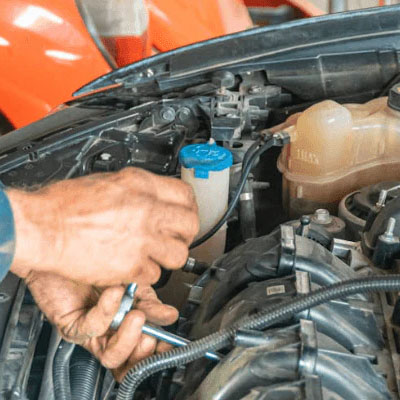
Car electronics experiencing voltage instability during hot weather

Heatwaves and Battery Performance

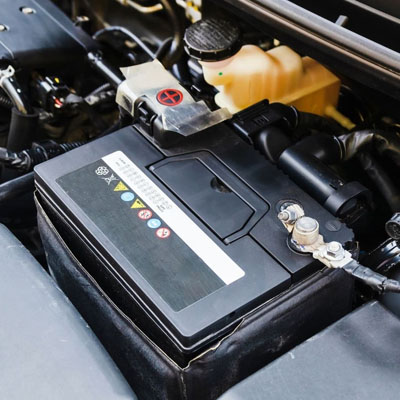
Batteries react to heat very differently than many drivers expect. While cold is often blamed for starting trouble, sustained high temperatures place their own form of stress on battery internals. Heat accelerates chemical activity inside the battery, which increases internal resistance and reduces the battery’s ability to accept and hold charge consistently.

  • Increased internal resistance during prolonged heat exposure
  • Reduced charge acceptance when the alternator is working under load
  • Faster breakdown of internal battery materials
  • Marginal batteries failing sooner during extreme heat
Engine bay electronics affected by heatwave temperatures

These effects mean a battery that seems serviceable in mild conditions can struggle during a heatwave. Heat does not usually cause immediate battery failure, but it can push an ageing or borderline battery past the point where it can support stable voltage under demand.

When Heat-Related Electrical Issues Need Inspection

If electrical behaviour changes only during extreme heat, it is easy to assume the issue will disappear once temperatures drop. In some cases it does ease temporarily, but repeated heat exposure continues to place stress on already weakened electrical systems. Early inspection allows voltage stability, battery condition, and connection integrity to be checked before intermittent behaviour becomes a persistent fault.

If starting becomes unreliable on hot days, warning lights appear only during heatwaves, or electrical systems behave inconsistently under temperature stress, having the vehicle assessed can prevent further damage. Our team can check heat-affected electrical components and identify where tolerance is being lost. For vehicles that are difficult to start or unreliable to drive during extreme heat, our mobile auto electrical service can assist across Brisbane, Moreton Bay, and the Sunshine Coast. Call 07 5495 7333 to book, or click here to contact us online and arrange an inspection.

FAQ: HEAT RELATED AUTO ELECTRICAL ISSUES

Yes. Electrical systems can be affected by high ambient temperatures even when engine temperature remains within normal range.

Heat increases resistance and reduces voltage tolerance, which can push already stressed components past their operating limits.

Yes. Warning lights may appear during peak heat and clear once the vehicle cools, especially if voltage stability is marginal.

Sustained heat accelerates battery ageing and can reduce charge stability, often revealing batteries that are already near the end of service life.

Cooler temperatures reduce resistance and electrical load, allowing systems to operate within tolerance again.

Yes. Intermittent heat-related behaviour usually indicates an underlying weakness that can worsen with repeated exposure.