Why Battery Terminals Keep Corroding and How It Affects Vehicle Electronics

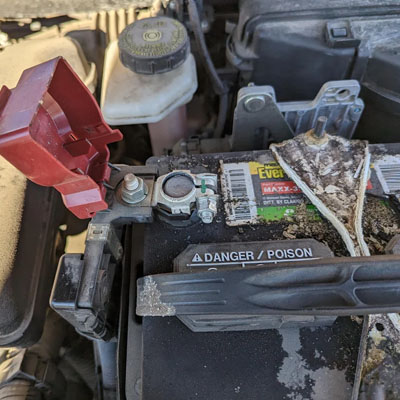
Corroded battery terminals are easy to overlook, yet even a small buildup can affect starting performance and voltage supply throughout the vehicle. Many drivers first notice dim lights, slow cranking, or random electrical quirks long before the car fails to start. Corrosion often develops as a result of battery ageing, charging issues, or loose clamps that allow gases or residue to escape onto the terminals. Once the connection becomes unstable, the vehicle’s electronics receive inconsistent voltage and behaviour becomes unpredictable.

Modern vehicles rely on a clean, steady electrical supply for everything from ECU communication to sensor accuracy and transmission control. When corrosion disrupts the battery connection, voltage drop can appear under load, and different systems begin to show faults that seem unrelated to the battery itself. These issues may come and go depending on temperature, moisture, or driving conditions, which makes them difficult to trace without proper testing. Regular battery checks and timely replacement help prevent corrosion from escalating into starting failures or wider electrical problems.
How Battery Terminal Corrosion Forms

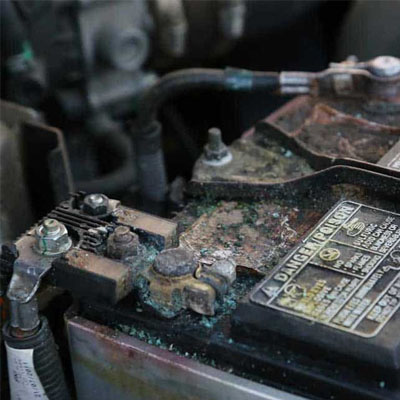
Battery terminal corrosion develops when chemical residue, moisture, or escaping gases react with the metal surfaces around the battery posts. This buildup increases over time and can begin affecting voltage supply long before the vehicle shows obvious starting problems. Different conditions lead to different corrosion patterns, but all of them point to an unstable battery connection.

  • Acid vapour escaping from ageing or overcharging batteries
  • Moisture and humidity accelerating chemical reactions on exposed metal
  • Loose terminals creating micro arcing during engine vibration
  • Damaged battery casings allowing residue to collect around the posts
  • Poor-quality clamps or previous repairs leaving untreated contamination
Why Battery Terminals Keep Corroding and How It Affects Vehicle Electronics

Corrosion is a sign that the battery connection is not holding clean, consistent contact. Once the buildup begins, it tends to worsen as voltage stability drops, which is why even light corrosion should be checked rather than ignored.

How Corroded Terminals Affect Vehicle Electronics

Corroded battery terminals restrict the flow of current between the battery and the vehicle’s electrical system. Even a small increase in resistance can cause voltage to dip under load, which affects how the ECU, sensors, and control modules communicate. Drivers may notice slow cranking, flickering lights, or warning lamps that appear and disappear without a clear pattern. These inconsistencies often continue until the battery connection is cleaned and tested properly.

Electrical systems that rely on steady voltage are especially sensitive to terminal corrosion. Gearshift modules, throttle systems, start stop functions, and climate control can behave unpredictably when supply voltage fluctuates. In many cases the issue looks like a failing component, even though the root cause is the unstable connection at the battery. Once the terminals are restored and the battery is checked for health, these irregular behaviours often disappear.

Why Battery Terminals Keep Corroding and How It Affects Vehicle Electronics

Why Corrosion Keeps Coming Back

When battery terminal corrosion returns after being cleaned, it usually means the underlying cause has not been addressed. Corrosion is rarely a one-off issue; it often reflects a deeper problem with the battery, charging system, or the way the terminals are making contact. Understanding why it reappears helps identify faults before they lead to starting failures or electrical instability.

  • Ageing batteries releasing vapour as internal condition declines
  • Alternators producing higher than normal charge voltage
  • Loose clamps allowing residue and moisture to gather around the posts
  • Dirty or worn terminals that never achieve full metal-to-metal contact
  • Poor quality replacement terminals that react quickly to heat and moisture
Why Battery Terminals Keep Corroding and How It Affects Vehicle Electronics

Recurring corrosion is an early warning sign that the battery or charging system needs inspection. Addressing the source prevents repeated buildup and avoids the electrical issues that often follow.

Early Signs Drivers Notice Before the Car Fails to Start

Corroded battery terminals often cause small electrical changes before the vehicle shows obvious starting trouble. Drivers may notice slow or uneven cranking, especially after the vehicle has been sitting overnight. Interior and exterior lights may dim briefly when accessories switch on, or warning lamps may appear and clear without any consistent fault. These early symptoms reflect voltage instability caused by the restricted battery connection.

As corrosion progresses, systems that depend on steady voltage become more unpredictable. Radios may reset, climate control may behave irregularly, and start stop functions may disable themselves during normal driving. These issues can seem unrelated at first, yet they often trace back to the same weakening battery connection. Identifying these signs early helps prevent the situation from developing into a complete no start event.

Why Battery Terminals Keep Corroding and How It Affects Vehicle Electronics

How Regular Battery Health Checks Prevent Bigger Issues

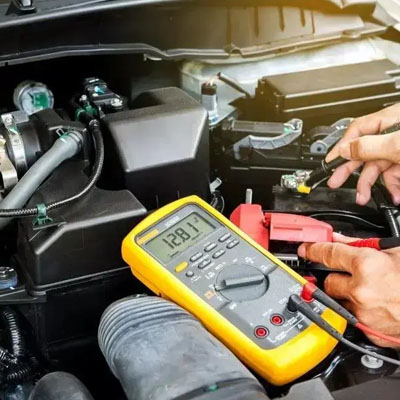
Regular battery testing helps identify voltage instability and connection problems long before they cause starting failures or electrical faults. These checks reveal whether the battery is holding charge properly, whether the charging system is operating within range, and whether corrosion is starting to affect terminal contact. Early inspection is one of the simplest ways to avoid inconsistent performance from the vehicle’s electrical systems.

  • Testing overall battery condition and cold cranking performance
  • Checking alternator output and charging consistency
  • Inspecting terminal condition, clamp tension, and signs of residue
  • Measuring voltage drop across terminals under load
  • Confirming battery age and suitability for the vehicle’s electrical demands
Why Battery Terminals Keep Corroding and How It Affects Vehicle Electronics

Routine checks reduce the likelihood of unexpected breakdowns and help keep the electrical system stable. Even small improvements to battery condition or terminal contact can prevent the voltage dips that create wider, harder to diagnose faults.

Mobile Battery Replacement and Onsite Electrical Inspection

If corrosion is recurring or the battery is struggling to hold a stable charge, a proper inspection can reveal whether the issue sits with the battery, the terminals, or the charging system. Our team can test voltage stability, charging performance, and terminal contact to determine whether cleaning, repair, or replacement is needed. This prevents ongoing electrical faults and reduces the risk of unexpected no start situations.

If the vehicle is difficult to start or cannot be driven safely, our mobile auto electrical service can come to you. We assist drivers across Brisbane, Moreton Bay, and the Sunshine Coast with onsite battery testing, terminal repair, and full battery replacement when required. To arrange an inspection or replacement, contact Bashi’s Auto Electrical on 07 5495 7333 or by clicking here for fast, reliable support.

Why Battery Terminals Keep Corroding and How It Affects Vehicle Electronics

Battery Corrosion and Electrical Stability FAQs

Corrosion often forms because of battery ageing, loose clamps, overcharging, moisture exposure, or residue escaping from around the posts.

Yes. Even mild corrosion increases resistance at the battery, which can lead to voltage drops that affect sensors, modules, and starting performance.

Not always. The battery, charging system, and terminal condition should be tested together to confirm whether the battery is failing or the connection is simply deteriorating.

Light buildup can be cleaned carefully, but recurring or heavy corrosion should be checked properly to avoid masking a deeper electrical issue.

Voltage dips from poor terminal contact can trigger false warnings or erratic behaviour in systems that rely on stable supply.