When Silence Isn’t Golden: Electrical Faults That Hide Until They Strand You

Most drivers trust their dashboard to tell them when something is wrong. A warning light appears, and you know it is time to check the engine, brakes, or oil. But not every electrical problem in cars triggers a warning light. Many issues quietly build in the background until the morning you find a flat battery, flickering lights, or a car that simply refuses to start.

Electrical systems in modern vehicles are complex, with dozens of circuits and hundreds of connections. Sensors and control modules monitor the most critical functions, but there are limits to what they can detect. That means your car may look fine on the dashboard while hidden electrical faults are slowly compromising its reliability.

What Warning Lights Can and Cannot Do

Warning lights are designed to monitor key systems such as the engine, airbags, ABS, and charging system. When a sensor detects a value outside its safe range, the module triggers a light to alert the driver. This makes them a useful early warning system for many mechanical and electronic problems.

However, not all circuits are connected to sensors, and not every fault produces a clear error signal. Car electrical faults such as damaged wiring, corroded connectors, or faulty switches often go unnoticed by the dashboard. Even parasitic drains that flatten a battery overnight rarely set off a warning light. This gap means a car can appear trouble-free while serious problems remain hidden.

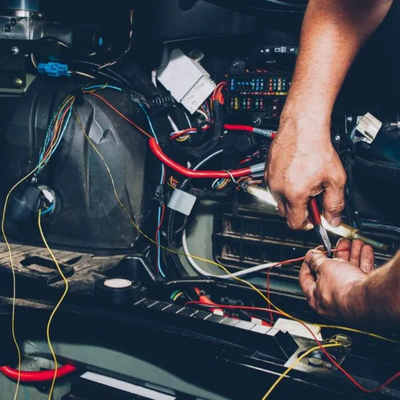
Auto electrician diagnosing vehicle electrical system without warning lights

Electrical Faults That Often Go Unnoticed

Not all problems in a vehicle announce themselves with a flashing light on the dashboard. Many car electrical faults remain invisible until they cause symptoms that drivers don’t immediately connect to the electrical system. These are some of the most common issues that slip past warning lights:

  • Wiring damage that causes intermittent loss of power or flickering lights.
  • Parasitic drains from accessories or modules that continue drawing current after the car is switched off.
  • Faulty relays or switches that prevent circuits from opening and closing properly.
  • Alternator diode failures that leak current and flatten the battery while the car is parked.
  • Corroded connectors that disrupt the flow of current but do not trigger a sensor alert.
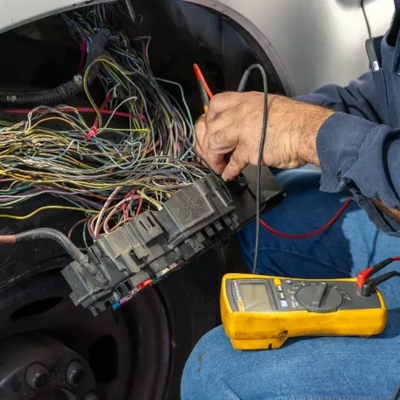
Technician using multimeter to trace car electrical issues

Each of these faults can leave you with a flat battery, malfunctioning accessories, or systems that fail without explanation. Because they do not trigger the dashboard, they are often overlooked until the problem worsens, making professional diagnosis the safest way forward.

Signs of Hidden Electrical Problems

Even when no warning lights are showing, your car may still be giving clues that something is wrong. A common sign is when the engine struggles to start or the battery seems weak, but no battery light is illuminated on the dashboard. This often points to a hidden drain or charging fault that sensors have not detected.

Other signs include headlights or interior lights flickering without explanation, windows or accessories working only some of the time, or fuses blowing repeatedly. In newer cars, certain systems such as cruise control or parking sensors may stop working unexpectedly. These symptoms may appear random, but together they suggest electrical faults that are not picked up by warning lights and require professional attention.

Auto electrician performing voltage drop test on vehicle battery

Risks of Poorly Installed Accessories

A faulty or badly fitted accessory does more than just flatten your battery. When wiring is connected incorrectly, it can overheat and create a fire risk inside the vehicle. Accessories that bypass fuses or use the wrong type of connection may also damage sensitive control modules, which are expensive to replace.

There are also financial risks to consider. Poor installation can void insurance claims if the accessory is found to have contributed to a breakdown or accident. Something as simple as a low-quality phone charger left plugged in can eventually harm both the battery and the vehicle’s electrical system. To avoid these issues, accessories should always be fitted and tested by a qualified auto electrician who can confirm they are safe, reliable, and properly integrated.

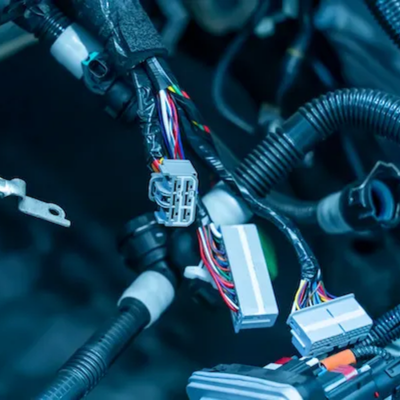
Close-up of car wiring harness during electrical testing

Why DIY Troubleshooting Often Falls Short

Many drivers assume that if no warning lights are displayed, the problem must be minor or mechanical. This belief often leads to DIY attempts like swapping batteries, pulling fuses, or jiggling connectors in hopes of finding the fault. Unfortunately, modern vehicles are too complex for guesswork. Wiring runs through multiple control modules, and a single bad connection can affect several systems at once without ever showing a warning light.

DIY troubleshooting also carries risks. Accidentally shorting wires, resetting modules, or fitting incorrect parts can make the fault worse or create new issues altogether. Even something as simple as disconnecting the battery may reset systems temporarily but will not address the underlying problem. Because electrical faults are often intermittent and subtle, proper testing by a professional auto electrician is the only reliable way to identify and fix them without causing further damage.

Can a Faulty Accessory Flatten Your Battery?

How Auto Electricians Diagnose Hidden Faults

Tracing electrical faults that don’t trigger a warning light requires a structured process. Auto electricians rely on specialised tools and methods rather than guesswork to uncover problems that the dashboard misses:

  • Circuit testing with multimeters and clamp meters: Measuring current flow and voltage to pinpoint abnormal draws.
  • Module scanning: Reading live data from control modules to identify irregular behaviour even if no warning light is active.
  • Voltage drop tests: Checking for excessive resistance in wiring or connectors that interrupt power flow.
  • Alternator output checks: Ensuring charging systems are healthy and detecting silent diode failures that drain batteries.
  • Wiring and connector inspections: Examining harnesses, plugs, and grounding points for damage or corrosion.
Mechanic testing car wiring for hidden electrical faults

By combining these methods, auto electricians can locate faults that otherwise go unnoticed. This approach saves money on unnecessary part replacements and ensures the true cause is fixed, restoring your car’s reliability.

Get Hidden Electrical Faults Fixed with Bashi’s

A dashboard with no warning lights does not always mean your car is fault-free. Electrical problems in cars can develop quietly, draining the battery, damaging wiring, or disabling important systems without triggering any alerts. Ignoring the early signs often leads to bigger issues and leaves you stranded when you least expect it.

At Bashi’s Auto Electrical, we specialise in diagnosing faults that warning lights miss. Our team uses the right tools and expertise to trace hidden drains, wiring issues, and charging problems safely. Call us today on 07 5495 7333 or book online to arrange a mobile service. Our team will identify the real cause of the problem and get your car back to starting reliably, saving you the cost and stress of repeated battery failures.

Frequently Asked Questions: Hidden Electrical Faults

Warning lights depend on sensors to detect specific values outside normal ranges. Not all circuits have sensors, and some faults, such as wiring damage or faulty relays, do not trigger any signal. This is why many car electrical problems can remain hidden until symptoms appear.

Yes. Damaged or corroded wiring can create parasitic drains or interruptions in current flow. These issues may flatten the battery or cause flickering lights without ever displaying a warning on the dashboard. A wiring fault often mimics a weak battery, but testing reveals the true cause.

A clear dashboard is not always a guarantee of safety. Some electrical faults affect systems like lights, windows, or accessories without alerting the driver. Ignoring these early signs increases the risk of breakdowns, so it is best to have the car checked when unusual behaviour appears.

Auto electricians use specialised tools such as multimeters, clamp meters, and module scanners to trace irregular current flow. They also perform voltage drop tests and inspect wiring harnesses for hidden damage. This process uncovers issues that the dashboard does not detect.

Battery tests can confirm whether the battery is healthy, but they cannot detect all electrical faults in cars. If a healthy battery still keeps going flat, it usually means there is an underlying fault such as a parasitic draw, faulty alternator diode, or wiring problem. A proper diagnostic is needed to identify the real issue.