What Happens to Vehicle Electronics After Water Exposure

Water does not need to flood the interior to affect a vehicle’s electrical systems. Driving through pooled water, heavy rain, or even repeated washing can introduce moisture into connectors, wiring, and components that are not designed to stay wet. In many cases the vehicle continues to operate normally at first, which leads drivers to assume no damage has occurred. This is where water-related electrical problems often begin to go unnoticed.

Modern vehicles rely on clean electrical signals and stable voltage to keep systems communicating correctly. When moisture enters the system, it can increase resistance, disrupt signals, and start corrosion processes that develop over time. The result is often inconsistent behaviour rather than an immediate failure, which makes these faults difficult to link back to the original water exposure.
What Water Exposure Does to Electrical Systems

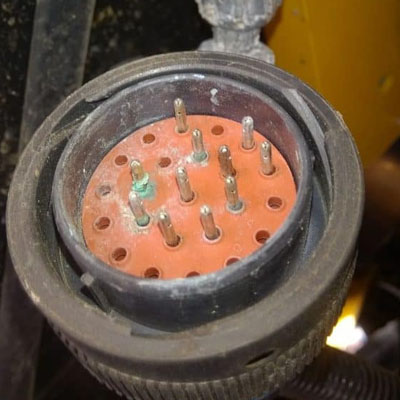
When water reaches electrical components, it does not need to cause an immediate short circuit to create problems. Moisture can sit inside connectors, along wiring insulation, or around terminals and slowly change how electricity flows. This added moisture increases resistance and interferes with signal quality, which is enough to upset systems that rely on precise voltage and data exchange.

Over time, water exposure also encourages corrosion to form on metal contacts and within connector pins. As corrosion builds, voltage drop becomes more likely under load, and electrical signals can weaken or distort. These changes rarely cause a clean failure straight away, which is why vehicles often continue driving normally for a period before faults begin to surface.

What Happens to Vehicle Electronics After Water Exposure

Areas Most Affected After Water Exposure

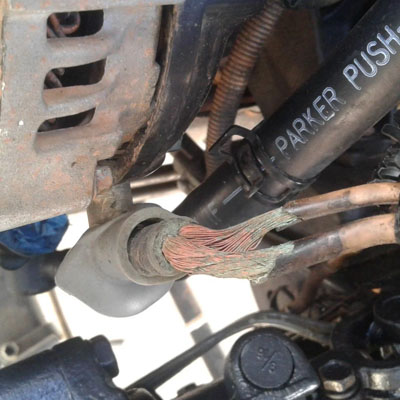
Water tends to cause the most trouble in areas where electrical components sit low, are exposed to road spray, or rely on sealed connectors to stay dry. These parts may not fail immediately, but repeated moisture exposure increases the risk of corrosion and voltage instability over time. Once moisture reaches these areas, faults often develop gradually rather than all at once.

  • Wiring connectors positioned low in the engine bay
  • Starter motor and alternator assemblies
  • Sensors mounted low on the engine, gearbox, or chassis
  • Ground points and earth straps exposed to spray and debris
  • Control modules located near floor level or under seats
How water exposure affects vehicle electronics over time

Because these components sit close to water sources, even shallow exposure can be enough to start electrical degradation. Once moisture is trapped, it can continue affecting performance long after the vehicle appears dry on the surface.

Electrical Behaviour Changes After Water Exposure

After water exposure, some vehicles begin showing subtle electrical changes rather than obvious faults. These changes may come and go, which makes them easy to dismiss as temporary or unrelated issues. In many cases the vehicle appears to dry out and drive normally, only for the behaviour to return later under different conditions.

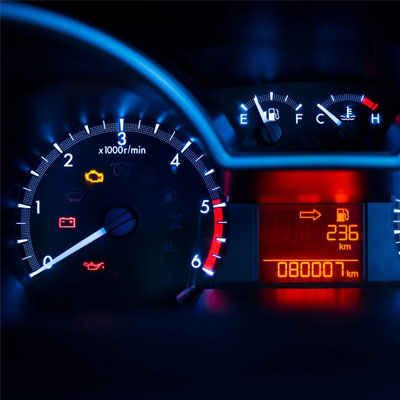
Drivers may notice brief starting hesitation, dash lights flickering, or systems behaving inconsistently without any clear fault staying logged. Sensors may report implausible readings, accessories may cut in and out, or warning lights may appear briefly before clearing again. These early behaviour changes often indicate moisture affecting signal quality or increasing resistance within connectors, even though no permanent fault has yet formed.

Vehicle electronic systems impacted by water and moisture damage

Delayed Electrical Faults That Develop Over Time

As moisture remains trapped inside connectors, wiring, and components, more defined electrical faults can begin to form. Corrosion builds gradually and resistance increases, which places extra strain on circuits each time the vehicle is driven. These problems often surface days or weeks after the initial water exposure, once the damage has had time to develop.

Effects of water exposure on vehicle electronics and wiring

At this stage, the faults tend to persist rather than clear on their own. What started as intermittent behaviour often becomes a repeatable electrical issue that requires inspection and repair to prevent further damage.

The Challenge of Tracing Water-Related Electrical Issues

Water-related electrical faults are difficult to trace because they rarely behave the same way twice. Moisture can dry out temporarily, shift position within wiring looms, or only affect circuits under certain loads. This causes symptoms to appear and disappear, which often leads to misdiagnosis or parts being replaced without fixing the underlying issue.

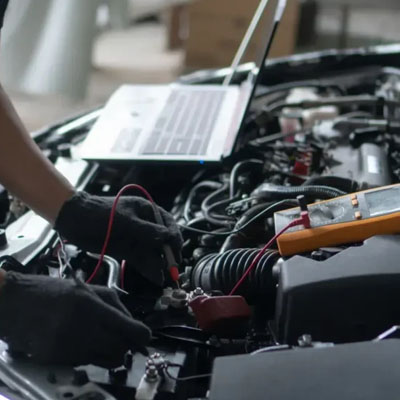
Another complication is timing. By the time a vehicle is inspected, visible moisture may be gone, even though corrosion and resistance changes are already developing inside connectors or modules. Without targeted testing, these faults can be mistaken for sensor failures or control unit issues rather than the result of earlier water exposure. This is why water-related electrical problems often linger until the source is properly identified.

Water exposure causing gradual electrical issues in vehicle electronics

When Water Exposure Warrants an Electrical Inspection

If a vehicle has been driven through standing water, heavy rain, or flood-affected areas and electrical behaviour begins to change, an inspection is worth considering sooner rather than later. Even when the car still drives normally, early checks can identify moisture-related resistance, corrosion starting in connectors, or voltage drop before those issues develop into persistent faults. Addressing these problems early can prevent wider electrical damage and reduce the risk of repeat warning lights or drivability issues.

If starting becomes unreliable, warning lights appear after rain, or electrical faults begin surfacing weeks after water exposure, a targeted inspection can pinpoint what has been affected. Our team can assess moisture-related electrical issues and advise on what needs attention before damage spreads further. For vehicles that are difficult to drive or start confidently, our mobile auto electrical service can assist across Brisbane, Moreton Bay, and the Sunshine Coast. Call 07 5495 7333 to book, or click here to contact us online and arrange an inspection.

Water Exposure and Vehicle Electronics FAQ

Yes. Even shallow water can reach low-mounted connectors, sensors, and earth points, allowing moisture to enter and begin causing resistance or corrosion.

Water-related electrical damage often develops gradually. Corrosion and signal degradation can take days or weeks before faults become consistent.

No. Early moisture-related issues often cause intermittent behaviour without storing fault codes, especially if conditions change and the area dries temporarily.

Yes. Heavy rain or repeated washing can introduce moisture into compromised seals, connectors, or wiring in a similar way to driving through water.

Intermittent faults usually indicate a developing problem. Continued driving can allow corrosion to spread and increase the risk of more serious electrical failure.

Not always. Early inspection can often limit damage by addressing affected areas before corrosion spreads further.