Key Types of Modern Vehicle Sensors
Oxygen (O₂) Sensor
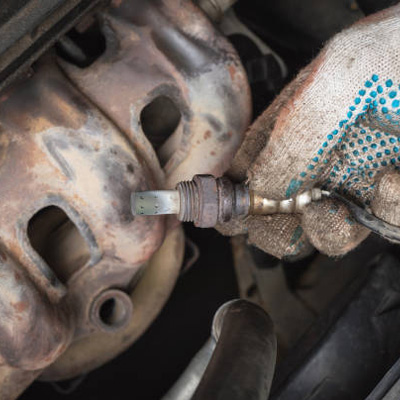
Situated in the exhaust stream, the oxygen sensor gauges the amount of unburned oxygen. This data allows the ECU to adjust the air-fuel mixture for efficient combustion. A malfunctioning O₂ sensor can lead to poor fuel economy and a glowing check engine light. Contamination or natural wear is common, and professional auto electrician diagnostics can confirm if the sensor itself is faulty.
Mass Air Flow (MAF) Sensor
The MAF sensor measures how much air enters the engine. Incorrect readings often result in rough idling, stalling, or hesitation during acceleration. Dirt buildup is a frequent culprit, so occasional cleaning can prevent performance dips. A severely failing MAF sometimes points to deeper car electrical issues, especially if wiring or connectors are compromised.
Throttle Position Sensor (TPS)
Bolted to the throttle body, this sensor tracks the angle of the throttle plate. The ECU uses that information to regulate fuel delivery and ignition timing. A bad TPS can cause uneven acceleration or erratic shifts in automatic transmissions. When errors persist, a quick car electrical inspection can confirm whether the sensor or an underlying circuit fault is to blame.
Wheel Speed Sensor (ABS Sensor)
Found at each wheel, these sensors relay rotational speed data for anti-lock brakes, traction, and stability control systems. A failing ABS sensor commonly triggers warning lights on the dashboard and compromises braking precision. Damage from road debris or corroded connectors are typical reasons an ABS sensor malfunctions.
Knock Sensor
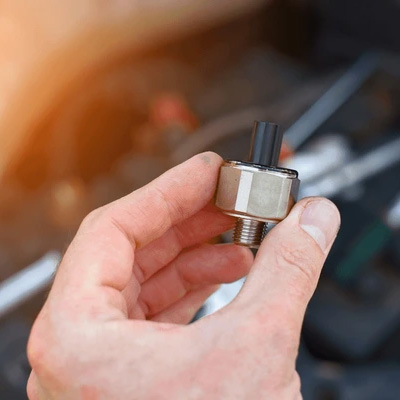
Nestled on the engine block, the knock sensor listens for knocking or pinging sounds caused by improper combustion timing. A damaged knock sensor might allow harmful engine detonation to continue, potentially harming internal components. Ongoing pinging and a noticeable drop in power often indicate deeper ignition or timing faults.