Electrical Problems That Affect ABS and Stability Control

Modern vehicles rely on electronic safety systems to maintain control during braking and sudden manoeuvres. Anti-lock braking and stability control work in the background, constantly adjusting braking force and engine response to help keep the vehicle stable. Because these systems depend on accurate electrical information, even small electrical irregularities can interrupt their operation.

When electrical stability is lost, the vehicle may still drive normally, but its ability to assist during emergency situations can be reduced. Warning lights often appear before any obvious change in handling, which makes them easy to dismiss at first. Paying attention to these alerts early helps ensure safety systems remain available when they are needed most.
How ABS and Stability Systems Use Electrical Signals

ABS and stability control operate by constantly comparing information from multiple sensors around the vehicle. Wheel speed sensors monitor how fast each wheel rotates, while steering input and brake pressure signals help the control module determine the driver’s intended direction. By processing this data in real time, the system can adjust braking force to maintain traction and directional stability.

To work correctly, these systems rely on clean and consistent electrical communication between sensors and control modules. Each signal must be accurate and delivered without interruption so the system can react instantly when traction changes. Even minor disturbances in signal quality can prevent the system from confirming reliable data, which causes it to temporarily disable assistance rather than risk incorrect intervention.

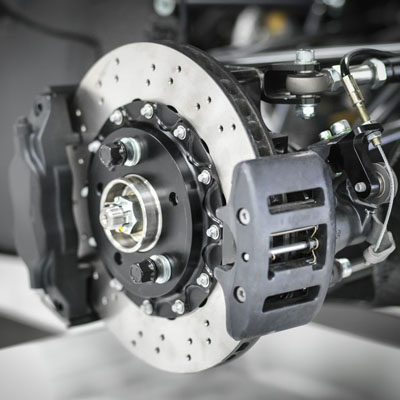
Damaged ABS sensor connector disrupting electrical signals

Electrical Faults That Commonly Trigger ABS or Stability Warnings

ABS and stability control systems react to signal reliability rather than mechanical wear alone. If the control module detects inconsistent or unreliable electrical data, it disables assistance and switches on warning indicators to prevent incorrect intervention. Many of these triggers originate from general electrical faults rather than problems within the braking hardware itself.

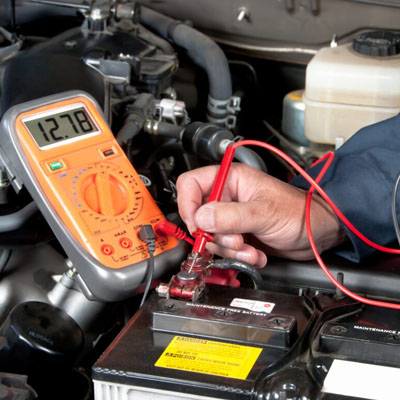
Low car battery voltage triggering traction control warning

Because these systems rely on precise electrical communication, even small disturbances can interrupt operation. The braking components may still be mechanically sound, yet electrical instability alone is enough to trigger warnings and disable assistance.

What Drivers Notice When These Systems Are Affected

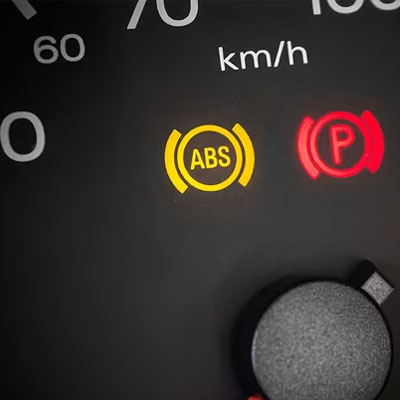
When ABS or stability control is disrupted, the most obvious sign is a warning light on the dashboard. The ABS indicator, traction control symbol, or stability control warning may appear suddenly and remain on, or illuminate intermittently before clearing. In some cases, multiple warning lights activate at the same time because the systems share communication pathways.

Drivers may also notice subtle changes in vehicle behaviour. Traction control may stop intervening during wheel slip, or stability assistance may no longer activate during sharp manoeuvres. Braking can still feel normal under everyday conditions, which is why the issue is sometimes ignored. However, during emergency braking or low-traction situations, the absence of ABS or stability intervention can significantly reduce vehicle control.

ABS warning light illuminated due to electrical fault

Why ABS and Stability Lights Can Clear and Return

ABS and stability warnings do not always stay on continuously because the underlying issue may only appear under certain electrical conditions. Changes in voltage load, temperature, or driving conditions can briefly interrupt signal quality, triggering the warning. Once conditions return to normal, the system may recognise stable input again and switch the light off.

This cycle can repeat as electrical stability varies during different trips. The vehicle may show no warnings during one drive, then display multiple alerts during another. Because the fault is not constant, it can be mistaken for a temporary glitch, even though the system is repeatedly detecting unreliable data and disabling assistance to maintain safety.

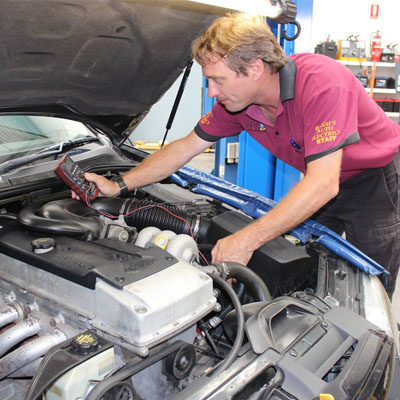
Mechanic diagnosing stability control electrical issue with scan tool

When ABS or Stability Warnings Need Checking

If ABS or stability warnings appear even occasionally, they should be treated as more than a minor inconvenience. These systems are designed to alert the driver whenever reliable control assistance cannot be guaranteed. Even if the vehicle seems to brake normally in everyday driving, the absence of electronic assistance can significantly affect control during sudden braking or low-traction conditions.

If warning lights return, multiple stability or traction alerts appear together, or the behaviour changes between trips, a targeted electrical inspection can identify the cause. Our team can assess voltage stability, sensor signal integrity, and module communication to determine what is affecting the system. For vehicles that cannot be relied on during wet or emergency conditions, our mobile auto electrical service can assist across Brisbane, Moreton Bay, and the Sunshine Coast. Call 07 5495 7333 to book, or click here to contact us online and arrange an inspection.

Automotive technician testing charging system for voltage irregularities

FAQ: Electrical Problems That Affect ABS

The vehicle can usually still be driven, but emergency braking and stability assistance may not operate as intended in low-traction situations.

No. Many ABS warnings are triggered by electrical signal issues rather than mechanical brake wear.

ABS, traction control, and stability systems share data and communication networks, so one electrical fault can trigger several alerts together.

Yes. Unstable voltage can interrupt sensor communication and cause the system to disable assistance.

Restarting can temporarily restore stable electrical conditions, but the underlying issue may still be present.

Yes. Repeated or returning warnings indicate unreliable data reaching the control module and should be inspected for safety reasons.