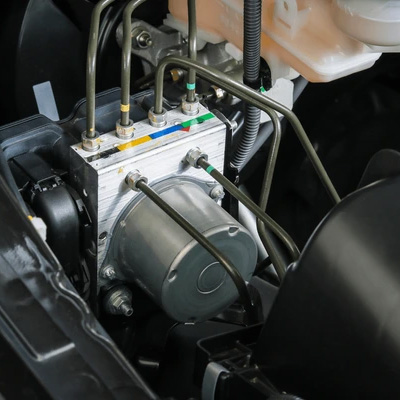
Common Issues with Anti-Lock Braking Systems (ABS)

Anti-Lock Braking Systems (ABS) are crucial for maintaining vehicle control and safety during braking. By preventing wheel lockup and skidding, ABS allows drivers to steer effectively, even in emergency situations. Identifying the common issues that can affect ABS and their electrical dependencies is essential for proper diagnosis and maintenance.

A Quick Overview of Anti-Lock Braking Systems (ABS)

How ABS Works:

ABS uses sensors to monitor wheel speed and a control module to adjust braking pressure. When the system detects that a wheel is about to lock up, it rapidly modulates the brake pressure to prevent skidding, ensuring the driver can maintain control.

Key Components:
  • ABS Control Module: The brain of the ABS, it processes sensor data and controls braking pressure.
  • Wheel Speed Sensors: These sensors monitor the speed of each wheel and send data to the ABS control module.
  • Hydraulic Valves: These valves modulate brake pressure to prevent wheel lockup.

Electronic Control Unit (ECU): Manages overall ABS operations and interfaces with other vehicle systems.

Anti-Lock Braking Systems
Importance of ABS:

ABS enhances vehicle control during emergency braking and on slippery surfaces, reducing the risk of accidents. By preventing wheel lockup, ABS helps maintain steering control, allowing drivers to manoeuvre around obstacles while braking. This technology is particularly beneficial in adverse weather conditions, such as rain or snow, where maintaining traction is crucial for safe driving.

Common ABS Issues

Faulty Wheel Speed Sensors:
  • Symptoms: Inconsistent braking performance, ABS warning light illuminated.
  • Causes: Dirt and debris accumulation, physical damage to sensors or wiring.
  • Solutions: Cleaning or replacing the affected sensors and ensuring they are properly connected.

Wheel speed sensors are critical for ABS functionality as they provide real-time data on wheel speed. When these sensors malfunction, the ABS control module cannot accurately adjust braking pressure, leading to inconsistent braking and potential safety hazards. Regularly inspecting and cleaning these sensors can prevent issues, and replacing damaged sensors ensures the ABS operates correctly.

Electrical Problems:
  • Symptoms: ABS warning light on, intermittent ABS functionality.
  • Causes: Corroded connectors, damaged wiring, poor grounding.
  • Solutions: Inspecting and repairing wiring, cleaning corroded connectors, ensuring secure and proper grounding.

Electrical issues are a common cause of ABS malfunctions. Corroded connectors and damaged wiring can disrupt the flow of electrical signals between the ABS components. Poor grounding can also lead to erratic ABS behaviour. Addressing these electrical issues promptly is crucial for maintaining the reliability of the ABS system.

Hydraulic Valve Malfunctions:
  • Symptoms: Uneven braking, longer stopping distances.
  • Causes: Contaminated brake fluid, worn or damaged valves.
  • Solutions: Flushing the brake fluid, replacing faulty hydraulic valves.

Hydraulic valves in the ABS system control the pressure applied to each brake. Malfunctions in these valves can result in uneven braking and increased stopping distances. Regular maintenance, such as flushing brake fluid and replacing worn valves, helps ensure the hydraulic system functions correctly.

ABS Control Module Issues:
  • Symptoms: ABS warning light on, ABS not engaging during braking.
  • Causes: Software glitches, internal faults within the control module.
  • Solutions: Reprogramming or replacing the ABS control module as necessary.

The ABS control module is the system’s brain, processing data from sensors and controlling braking pressure. Issues with the control module can lead to the ABS not engaging properly, compromising vehicle safety. Reprogramming or replacing the control module can resolve these issues and restore proper ABS functionality.

ABS Pump Failure:
  • Symptoms: Reduced braking efficiency, ABS warning light illuminated.
  • Causes: Wear and tear on the pump motor, electrical failures.
  • Solutions: Inspecting the ABS pump and replacing it if found to be faulty.

The ABS pump maintains the pressure required for the system to function. A failing pump can lead to reduced braking efficiency and an illuminated ABS warning light. Regular inspections and timely replacement of a faulty pump are essential for ensuring effective ABS operation.

Diagnosing ABS Problems

Using OBD-II Scanners:

Reading and interpreting fault codes using an OBD-II scanner can pinpoint specific sensor or module issues, providing a clear direction for troubleshooting.

Visual Inspections:

Checking the wiring, connectors, and sensors for visible signs of wear, corrosion, or damage can help identify the root cause of ABS issues.

Anti-Lock Braking Systems
Multimeter Testing:

Verifying sensor outputs and electrical continuity with a multimeter ensures that all electrical connections are functioning correctly.

Hydraulic System Check:

Ensuring proper brake fluid levels and checking for leaks in the hydraulic system can prevent and address hydraulic valve issues.

Preventive Maintenance and Professional Services

Regular Inspections:

Routine checks of ABS components, including sensors, wiring, and the control module, can help prevent issues before they become serious problems. Regular maintenance ensures that the ABS system remains reliable and effective.

Proper Brake Fluid Maintenance:

Regularly flushing and replacing brake fluid ensures that the hydraulic system operates smoothly and prevents contamination-related issues. Clean brake fluid helps maintain the integrity of the hydraulic valves and overall ABS performance.

Anti-Lock Braking Systems
When to Seek Professional Help:

If you encounter persistent ABS issues despite basic troubleshooting, it’s essential to seek expert assistance. Professional diagnostics can accurately identify complex problems that may not be apparent through simple inspections.

Why Choose Bashi’s Auto Electrical for ABS Repair or Troubleshooting

At Bashi’s Auto Electrical, we offer comprehensive ABS diagnostics, repair and maintenance services. Our experienced technicians use advanced tools to accurately diagnose and fix ABS problems, ensuring your vehicle’s braking system functions optimally. Whether it’s a faulty sensor, electrical issue, or hydraulic problem, we provide reliable solutions to keep you safe on the road.

Maintaining ABS for Safe Driving

A well-functioning ABS is crucial for vehicle safety, providing control during emergency braking situations. Proactive maintenance and timely troubleshooting can prevent many ABS issues. At Bashi’s Auto Electrical, we offer expert services to keep your ABS and other vehicle systems in top condition, ensuring your safety at all times while driving. We take our job seriously, carrying out each job as if it was our own vehicle. If you are concerned that your ABS is not performing as it should, do not delay, contact Bashi’s on 07 5495 7333 or fill out our online form.