Car Won’t Start at Home? What To Do Next

Few things are more frustrating than getting ready to leave and discovering your car will not start in the driveway. Whether it is before work, the school run, or an appointment, a no-start situation at home can quickly become stressful. In many cases the issue appears without warning, even if the vehicle was running normally the day before.

While it is tempting to assume the worst, most no-start problems are electrical rather than major engine failures. The key is identifying what the vehicle is doing and what it is not doing before deciding the next step. A calm assessment can help determine whether the issue is simple, requires caution, or needs professional attention on-site.
Check the Basics Safely

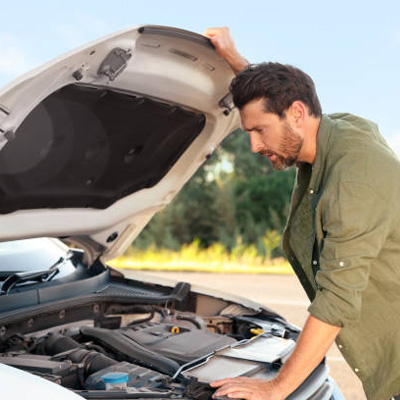
Before attempting anything further, take a moment to observe how the vehicle responds when you try to start it. Turn the key or press the start button and note what happens. Do the dashboard lights illuminate normally, or does everything remain completely dark? Is there a clicking sound, a slow cranking noise, or no response at all?

These small details help narrow down the type of problem without needing tools or mechanical knowledge. A slow crank often suggests one issue, rapid clicking points to another, and total silence may indicate something different again. Identifying the basic response pattern is the first step in deciding whether a simple solution may help or whether professional assistance is required.

Car Won’t Start at Home

Signs It May Be a Battery Issue

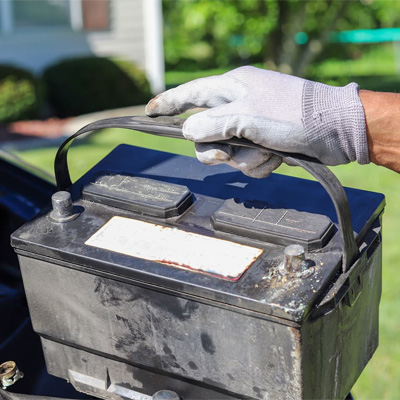
A weak or failed battery is one of the most common reasons a car will not start at home. If the engine cranks slowly, struggles before firing, or you hear rapid clicking when turning the key, the battery is often the first suspect. Interior lights that appear dim or fade noticeably when attempting to start also point toward reduced voltage supply.

Battery-related no-start situations are more common after short trips, long periods without driving, or during temperature extremes. Even if the vehicle was starting normally a few days earlier, battery performance can decline quickly once it reaches the end of its service life. In these situations a jump start may work temporarily, but a failing battery will usually need proper testing or replacement to restore reliable starting.

When Jump Starting Is Not the Right Move

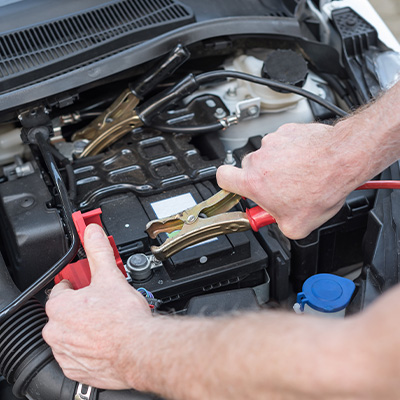
Jump starting can help in some situations, but it is not always the safest or most effective solution. If the vehicle has needed multiple jump starts recently, the underlying issue is unlikely to be solved by boosting it again. Repeatedly forcing power into a failing battery or unstable electrical system can increase strain on control modules and sensitive electronics.

Jump starting is also not recommended if there is no dashboard activity at all, if you notice a burning smell, or if electrical systems behave erratically when power is applied. Modern vehicles rely on stable voltage, and incorrect connection or repeated boosting can cause further complications. When the cause of the no-start is unclear, having the issue assessed properly by a trusted auto electrician is often the safer option.

Car Won’t Start at Home

Common Electrical Causes of No-Start at Home

Many no-start situations that occur in a driveway are caused by electrical faults rather than internal engine problems. The good news is that most of these issues can be identified quickly with proper testing equipment, often without needing to tow the vehicle. Recognising the likely causes helps determine the most practical next step.

Car Won’t Start at Home

In many cases, these faults can be diagnosed on-site and resolved without moving the vehicle. Identifying the real cause first prevents unnecessary part replacement or avoidable towing costs.

When a Tow Truck Is Not Necessary

A car that will not start at home does not automatically require towing to a workshop. Many no-start issues are electrical and can be diagnosed where the vehicle is parked. Batteries can be tested and replaced on-site, starter circuits can be checked, and charging performance can be confirmed without moving the car from the driveway.

Arranging a tow often means additional costs, delays, and time off the road while the vehicle waits in a queue. In many situations, the problem can be identified and resolved far more efficiently by having it assessed where it sits. When the issue is electrical rather than mechanical, a mobile auto electrician can often save both time and unnecessary transport fees.

When to Call a Mobile Auto Electrician

If the vehicle will not crank, repeatedly needs jump starting, or shows unusual electrical behaviour when you attempt to start it, professional assessment is the safest next step. When the cause is unclear, continued attempts to boost or restart the vehicle can place additional strain on the electrical system. Having the issue diagnosed properly helps avoid replacing the wrong parts or escalating the problem further.

Our team can attend to no-start situations at your home, assess battery condition, test starter and charging circuits, and identify communication or relay faults on-site. In many cases, the issue can be resolved without the need for towing. If your car will not start in Brisbane, Moreton Bay, or the Sunshine Coast, call 07 5495 7333 to arrange assistance, or click here to contact us online and book a mobile visit.

Car Won’t Start FAQs

It can be. Electrical issues such as sensor faults, immobiliser communication problems, or fuel system control faults can prevent the engine from starting even if it cranks normally.

No response at all can indicate a flat battery, faulty ignition switch, starter circuit issue, or a failed relay.

Yes. Modern batteries can decline quickly once they reach the end of their service life, sometimes without obvious early symptoms.

Repeated attempts can strain the starter motor and electrical system, especially if voltage is already low.

Not always. If the alternator is not charging properly or there is an underlying electrical fault, the new battery may also discharge.

No. Many electrical no-start problems can be diagnosed and resolved on-site without moving the vehicle.