Car Heater Not Working? Electrical Faults Could Be the Real Issue

On cold Queensland mornings, a working car heater isn’t just a luxury. It’s a necessity. Whether you’re driving through Bribie Island or commuting through Moreton Bay, heater issues can make the early hours miserable. While many drivers assume a heater problem is mechanical, the root cause is often electrical. From failed blower motors to faulty climate control switches, your car’s wiring and electronics play a larger role in heating than most people realise.

When your heater isn’t performing as expected, recognising the signs of an electrical fault can help you get back to a comfortable drive quickly.
How the Car Heater System Works

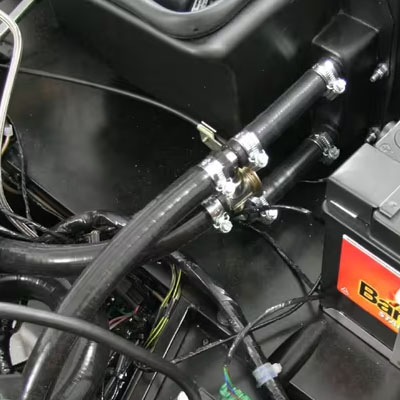
The car heater uses a combination of engine heat and electrical components to warm the interior. Once your engine reaches operating temperature, coolant flows through a heater core, which is a small radiator located behind the dashboard. Air is then blown across the hot core and into the cabin through the vents.

Modern heating systems rely heavily on electronic components. The blower motor that circulates air is powered by electricity, as are the control panels, actuators, and sensors. While often grouped with the air conditioning system under climate control, the heater operates independently of refrigerant and compressor cycles.

When electrical faults disrupt this system, airflow may stop, temperature settings might not respond, or heat may vanish entirely even if the engine is warm.

Car Heater Not Working? Electrical Faults Could Be the Real Issue

Common Electrical Issues Behind a Heater Not Working

When the car heater is not working, it’s often assumed to be a coolant or mechanical problem. But electrical faults are just as likely. Below are some of the most frequent electrical causes.

  • Blown fuses: A basic but common issue. If a fuse linked to the blower motor or control panel fails, the heater may stop functioning completely.
  • Faulty blower motor resistor: This part controls fan speeds. A failing resistor may cause the blower to work only on certain settings or not at all.
  • Bad climate control module or switches: If the interface used to adjust heat isn’t sending the right signals, you may lose control over the system entirely.
  • Wiring or relay issues: Frayed, corroded, or loose wiring can break the electrical connection between key components, causing erratic or total heater failure.
  • Heater control valve actuator failure: In some vehicles, an electronically controlled valve regulates hot coolant to the heater core. If it fails, the heater won’t warm up.
Car Heater Not Working? Electrical Faults Could Be the Real Issue

Electrical faults can be intermittent and hard to spot without diagnostic tools, which makes professional testing essential.

When to Suspect an Electrical vs. Mechanical Problem

Not all heater issues are electrical. Knowing which signs point to an electrical fault versus a mechanical issue can help narrow things down before you head to the workshop.

If your blower fan isn’t operating, or only works at certain speeds, it’s likely an electrical fault. Sudden heater failure with no warning, flickering displays, or non-responsive control dials also point to issues with power supply or control circuits.

In contrast, mechanical problems usually show up as lukewarm air, coolant leaks, or fogging windows. These are more often linked to heater core blockages, a stuck thermostat, or low coolant levels. These problems typically don’t affect fan operation or electrical controls.

Car Heater Not Working? Electrical Faults Could Be the Real Issue

Diagnosing and Fixing Electrical Heating Problems

If your heater isn’t working, here’s how an auto electrician typically diagnoses and resolves the issue.

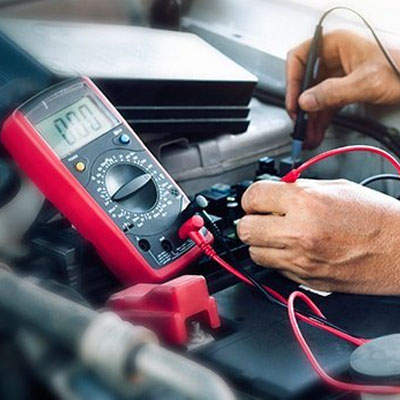
  • Testing voltage at key components is the first step to confirming that power is reaching the blower motor and climate control system.
  • Inspecting and replacing fuses or relays is a simple but essential fix when these components prevent current from flowing.
  • Checking continuity in wiring looms helps identify breaks or corrosion that could disrupt the electrical pathway.
  • Scanning the climate control system with diagnostics allows technicians to see fault codes and sensor data, helping isolate module or actuator problems.
  • Replacing faulty actuators, resistors, or switches resolves most internal electrical faults and restores full heater functionality.
Car Heater Not Working? Electrical Faults Could Be the Real Issue

Many heater problems can be fixed quickly once the electrical system is properly tested by someone with the right tools and experience such as a qualified auto electrician.

Don’t Freeze — Get Your Car Heater Checked

A working car heater is more than a comfort feature. It is critical for visibility, defrosting, and safety during colder months. If your heater is acting up, especially during early morning commutes, it’s best not to wait.

Whether it’s a faulty switch, blown fuse, or hidden wiring issue, we can help. At Bashi’s Auto Electrical, our mobile technicians can diagnose and fix heating faults quickly at your home or workplace. Book an appointment today and let us bring the warmth back to your ride. You can chat with one of our qualified auto electricians by calling 07 5495 7333 or filling in our online form.

FAQ: Car Heater Not Working in Cold Weather

This could be due to a faulty actuator, a broken blower motor, or an issue with the climate control system. These are often electrical rather than mechanical.

Yes. Modern heaters rely on fuses, relays, resistors, and switches. If any of these fail, your heater may stop working completely.

It varies by vehicle model, but the fuse is typically located in the interior fuse box and labelled under HVAC or blower motor.

The heater uses engine heat and coolant to warm air. Air conditioning uses a compressor and refrigerant to cool it. They often share vents and fans but function independently.

Yes. Apart from comfort, your heater also defogs windows. Poor visibility can make winter driving dangerous, especially during early mornings.