Why Your Car Keeps Needing Jump Starts

If your car keeps needing jump starts, the problem is usually bigger than a one-off flat battery. While a jump start can get the engine running again, repeated starting issues often point to a battery that is no longer holding charge properly, a charging fault, or another electrical issue that needs attention.

That is why repeated jump starts should not be treated as a normal part of owning the vehicle. If the same problem keeps coming back, there is usually an underlying cause that needs to be diagnosed before the car becomes more unreliable or leaves you stranded altogether.

Why Repeated Jump Starts Usually Mean Something Is Wrong

A jump start can get enough power into the system to turn the engine over, but it does not explain why the battery went flat in the first place. If it has happened more than once, there is usually a fault or pattern behind it rather than simple bad luck. That is where repeated jump starts shift from being a temporary inconvenience to being a sign that the vehicle needs proper attention.

In some cases, the battery itself is reaching the end of its service life and can no longer hold charge as it should. In others, the battery may be draining while the car is parked, or the charging system may not be restoring power properly once the engine is running. When the same issue keeps returning, relying on another jump start usually delays the real fix instead of solving the problem.

Why Your Car Keeps Needing Jump Starts

Common Reasons a Car Keeps Needing Jump Starts

When a vehicle keeps needing jump starts, the flat battery is often only part of the story. In many cases, the real issue is why the battery keeps losing charge or failing to recover properly between starts.

A proper inspection helps separate a battery that is simply worn out from a vehicle with a charging fault, poor connections, or another electrical issue. Some causes are more common than others, but they can all lead to the same frustrating result.

An Ageing or Failing Battery

A battery can still take enough charge to respond to a jump start while no longer holding that charge for long afterwards. This is one of the most common reasons a car seems fine briefly, then struggles again the next time you try to start it.

As batteries age, their ability to store and deliver power drops away. Even if the vehicle starts after being boosted, the battery may already be too weak to provide reliable starting power on its own.

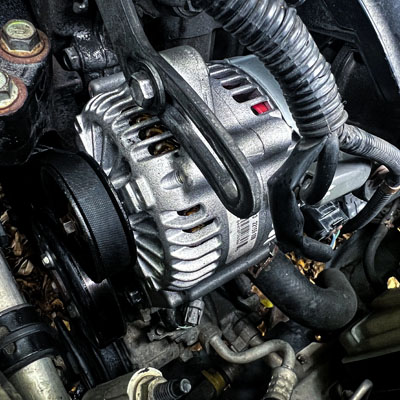
Alternator Charging Problems

A jump start can get the engine running, but the battery still needs to be recharged properly once the vehicle is back on the road. If the alternator is not supplying enough charge, the battery may never recover fully after startup, which means the same problem can return the next time the car is parked and restarted.

This can make it seem like the battery is the main issue when the real problem is the charging system. If the battery keeps going flat even after the car has been driven, the alternator and charging system should be checked properly.

Loose or Corroded Battery Connections

The battery needs a clean, secure connection to deliver power properly and receive charge while the engine is running. If the terminals are loose, dirty, or affected by corrosion, the flow of power can be interrupted at the exact point the vehicle needs it most.

Connection problems are easy to overlook because the symptoms often resemble a weak battery. In some cases, the battery itself is still serviceable, but poor contact at the terminals prevents it from performing as it should.

Parasitic Battery Drain While Parked

Some vehicles keep drawing power after the engine has been switched off, and that can flatten the battery far quicker than most drivers expect. This happens when something in the electrical system continues using power when it should not be.

If that draw is strong enough, the battery may lose enough charge overnight or over a couple of days to leave the car needing another jump start. When jump starts keep becoming part of the routine, an unwanted power draw is one of the key causes that should be investigated.

Short Trips and Infrequent Driving

Starting a vehicle takes a noticeable amount of battery power, and short trips do not always give the charging system enough time to replace it fully. When that pattern happens regularly, the battery can slowly lose ground from one drive to the next.

Long gaps between drives can create similar issues. In these situations, repeated jump starts may not point to one major fault on their own, but they can still be a sign that the battery and charging system are no longer coping well with how the vehicle is being used.

A Jump Start Is Not Always the Fix

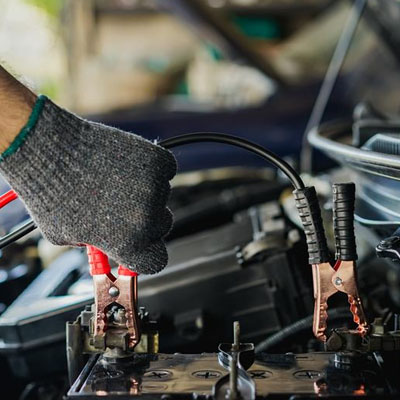
A jump start can solve the immediate problem by giving the battery enough assistance to get the engine turning over. In some situations, that may be all that is needed, particularly when the battery has gone flat for a simple reason and there is no ongoing fault in the vehicle.

Repeated jump starts are different. When the same problem keeps returning, the jump start is only dealing with the symptom rather than the cause.

  • It can help start the vehicle after a one-off battery drain
  • It can provide enough power to crank the engine
  • It can help you get the car to a safer or more convenient location
  • It cannot repair a battery that is failing internally
  • It cannot fix alternator or charging problems
  • It cannot resolve poor terminal or cable connections
  • It cannot prevent the battery from being drained again while parked
A jump start is not always the fix

If the battery keeps going flat after being jump started, the issue usually needs proper testing by a qualified auto electrician rather than another temporary fix.

Why Repeated Jump Starts Should Not Be Ignored

Repeated jump starts are easy to brush off when the car gets going again, but the problem usually gets less convenient over time, not more. What starts as an occasional flat battery can turn into unreliable daily starting, unexpected breakdowns, and a vehicle that becomes harder to trust when you actually need it.

Ignoring the pattern can also lead to wasted time and money if the battery keeps being recharged or replaced without checking the real cause. If the issue is poor charging, battery drain, or a fault in the electrical system, the same problem will keep returning until it is diagnosed properly. Sorting it early is usually the best way to avoid being stranded later.

Repeated jump starts could lead to break downs

Get Repeated Jump Start Problems Checked Properly

If your car keeps needing jump starts, there is usually more going on than a one-off flat battery. Getting it running again may solve the immediate problem, but it does not explain why the battery keeps ending up in the same state.

At Bashi’s Auto Electrical, we can help identify whether the issue is battery condition, charging performance, poor connections, or another electrical fault affecting starting reliability. If you need mobile auto electrical help across Brisbane, Moreton Bay, or the Sunshine Coast, get in touch with our team by calling 07 5495 7333 or clicking here to have the problem checked properly by someone you can trust.

FAQ: Frequent Jump Starts

If your car keeps needing jump starts, the cause is usually more than a one-off flat battery. Common reasons include a battery that is no longer holding charge properly, alternator charging problems, poor battery connections, or an electrical drain while the vehicle is parked.

Yes. If the alternator is not charging the battery properly while the engine is running, the battery may not recover enough to restart the vehicle reliably later. That can lead to repeated jump starts even when the battery itself is not completely failed.

A jump start can get the engine running again, but it does not fix the reason the battery went flat. If the problem is a failing battery, charging fault, poor connection, or parasitic drain, the same issue is likely to return.

A car battery can be drained while parked by electrical faults that continue drawing power after the vehicle has been switched off. Interior lights, accessories left on, or issues within the electrical system can all contribute to this kind of drain.

Yes. If the battery keeps going flat, proper testing can help determine whether the issue is the battery itself, the alternator, the wiring, or another electrical fault. That is usually the fastest way to stop repeated jump starts from becoming an ongoing problem.