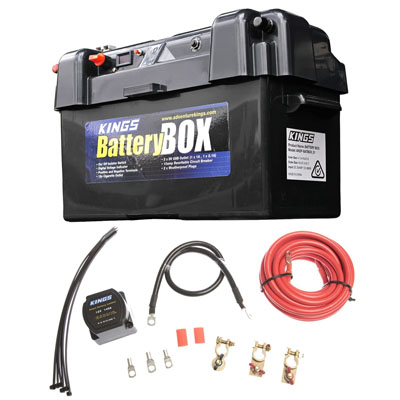
Charging Problems in a 4WD After Accessory Upgrades

Accessory upgrades can make a 4WD far more practical, especially for touring, camping, and running extra equipment on a regular basis. Fridges, lights, chargers, compressors, and dual battery components all add convenience, but they also change how much the electrical system is being asked to handle.

That is why charging problems sometimes start showing up after upgrades have been added. In many cases, the accessories themselves are not the real problem. The issue is that the battery, wiring, charging setup, or overall system design may no longer suit the way the vehicle is now being used.

Why Charging Problems Can Show Up After Accessory Upgrades

A 4WD charging system is designed around the vehicle’s original electrical demands, not necessarily around the extra load created by added accessories. Once more equipment is introduced, the system has to support a different pattern of power use, and that can place more pressure on the battery, alternator, wiring, and charging components.

This is often where weaknesses begin to show. A setup that seemed adequate before the upgrades may no longer be charging efficiently once extra accessories are drawing power more regularly or for longer periods. That can lead to battery charging problems that only become obvious after the vehicle has been modified for heavier use.

Charging Problems Can Show Up After Accessory Upgrades

Common Reasons a 4WD Battery Stops Charging Properly After Upgrades

When charging problems begin after accessory upgrades, the issue is not always one faulty part. In many cases, it comes down to the system no longer being well matched to the demands being placed on it. Extra accessories can increase power use, expose weak points in the setup, or highlight that the charging system was already working close to its limit.

That is why it is important to look at the full electrical picture rather than assuming the battery itself is the only problem. Some of the most common reasons include the following.

The Accessory Load Is Higher Than the Charging System Can Comfortably Support

Adding accessories increases the amount of power the vehicle needs to supply and recover. If the combined load from fridges, lights, chargers, compressors, or other equipment becomes too high for the existing charging system, the battery may struggle to recharge properly between uses.

This can be more noticeable in 4WDs that spend time parked while still powering equipment or in vehicles that are driven in ways that do not give the system much time to recover. Once the electrical demand rises beyond what the setup can comfortably handle, charging problems often start to show.

The Wiring Is Not Suited To the Setup

A 4WD can have quality accessories fitted and still develop charging problems if the wiring is not suited to the setup. Cable size, routing, connection quality, and voltage drop all affect how efficiently power moves through the system, particularly once additional loads and charging components have been added.

This is where a setup can look fine on paper but underperform in real use. If the wiring cannot support the demands being placed on it, the battery may not charge as effectively as expected, and accessories may end up drawing power in ways that place more strain on the system.

The Battery or Batteries Are Not Matched To How the 4WD Is Used

Not every battery setup suits every 4WD. The type of battery, its capacity, and the role it is expected to play all need to match how the vehicle is actually being used. If the battery setup is not suited to the accessory load, driving pattern, or time spent parked while running equipment, charging performance can suffer.

This often becomes more obvious after upgrades because the system is being asked to do more than it was before. A battery that seemed adequate in a simpler setup may no longer recover properly once the 4WD is carrying a heavier electrical workload.

The Charging Setup Is Not Configured Properly for the Upgrade

Adding accessories does not just increase power use. It can also change what the charging setup needs to do in order to keep the battery system working properly. If components such as isolators, chargers, or battery management equipment are not suited to the upgraded setup, charging performance can become inconsistent or inadequate.

This is especially relevant in 4WDs with more than one battery or accessories that continue drawing power while the vehicle is parked. If the charging arrangement is not properly matched to the upgrade, the system may fall behind even when the vehicle is being driven regularly.

Poor Installation Is Causing Voltage Loss or Inconsistent Charging

Even when the right components have been chosen, the setup can still underperform if the installation quality is poor. Loose connections, poor joins, weak earths, or avoidable voltage loss can all interfere with how effectively the battery system charges once accessories and extra components have been added.

This is where small installation issues can create larger day-to-day problems. The system may appear to work, but not consistently enough to keep battery charge where it needs to be, especially once the 4WD is being used more heavily or for longer periods away from simple everyday driving. Taking your 4WD to a trusted, experienced auto electrician not only provides much needed peace of mind but also ensures smooth operation when you really need it..

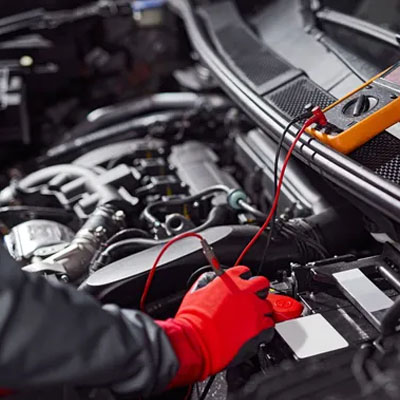
Signs the Charging System Is Struggling

Charging problems do not always show up as a vehicle that will not start straight away. In many cases, the signs appear gradually after accessory upgrades, especially when the system is being used more heavily than it was before.

  • The battery goes flat more often than expected
  • Accessories cut out or lose power earlier than they should
  • The battery does not seem to recover properly after driving
  • Lights dim or voltage feels unstable when accessories are in use
  • A dual battery setup no longer behaves the way it should
  • The vehicle becomes less reliable after camping or extended accessory use
Dimmed lights can mean the charging system is struggling

When these signs begin appearing after upgrades, it usually points to more than normal battery wear. It is often a sign that the charging setup, wiring, or overall system design is no longer keeping up with how the 4WD is being used.

Why the Setup Needs To Suit the Vehicle and Its Use

Accessory upgrades do not always create a new fault on their own, but they can expose that the existing setup is no longer suited to the way the 4WD is being used. Once more load is added through fridges, lighting, chargers, or other equipment, the battery system, wiring, and charging components all need to work together under greater demand.

That is why getting an experienced auto electrician involved makes a difference. A charging setup should be matched to the specific vehicle, the accessories being used, and how the 4WD is expected to perform day to day. When the system is tailored properly, it is far more likely to charge effectively, support the load being placed on it, and remain reliable over time.

Setup Needs To Suit the Vehicle and Its Use

Get 4WD Charging Problems Sorted Properly

Charging problems after accessory upgrades are usually a sign that the electrical system needs more than a quick guess or temporary workaround. If the battery is not charging properly, the real issue may sit with the wiring, battery setup, charging components, or how the system has been configured for the vehicle.

At Bashi’s Auto Electrical, we can inspect 4WD charging problems and help work out whether the setup suits the way the vehicle is actually being used. Call 07 5495 7333 or click here to contact us online if you need mobile auto electrical help across Brisbane, Moreton Bay, or the Sunshine Coast.

FAQ: Charging Problems in a 4WD

A 4WD battery may stop charging properly after accessory upgrades if the added electrical load is higher than the system can comfortably support, the wiring is not suited to the setup, or the charging arrangement is no longer matched to how the vehicle is being used.

Yes. Adding fridges, lights, chargers, compressors, and other accessories can increase power demand enough to place more pressure on the charging system. If the setup is not designed to support that added load, battery charging performance can suffer.

Yes. Wiring plays a major role in how effectively power moves through the system. If the cable size, routing, joins, or earths are not suited to the setup, voltage loss and inconsistent charging can become a problem.

Yes. A dual battery system should be suited to the vehicle, the accessories being used, and how the 4WD is actually driven and parked. A setup that works well in one vehicle may not perform properly in another if the load and usage pattern are different.

Yes. If charging problems begin after accessory upgrades, an auto electrician can inspect the battery setup, wiring, charging components, and overall system design to identify what is preventing the battery from charging properly.