Alternator Problems vs Battery Issues: How to Tell the Difference

If your car won’t start, figuring out whether the issue is the battery or the alternator can be frustrating. Both are part of your vehicle’s charging system, and they share overlapping symptoms when something goes wrong. Replacing the wrong part wastes money and time, especially if the real issue goes undiagnosed.

Knowing how to tell the difference between battery issues and alternator problems helps you understand what your car actually needs. Even without tools, some signs can point you in the right direction. With proper testing, you can avoid guesswork and keep your vehicle reliable.

The Role of the Battery vs the Alternator

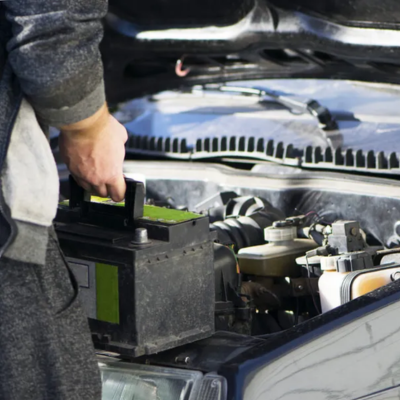
Your battery is responsible for getting the vehicle started. It provides the initial power to turn the engine over, activate fuel and ignition systems, and get everything running. Once the engine is on, the alternator takes over. It powers all electrical systems and keeps the battery charged as you drive.

When either of these components fails, your car may crank slowly, lose power, or refuse to start altogether. While both affect the starting process, the symptoms and timing of the failure can help narrow down the cause. Understanding the distinct roles of each part is the first step toward diagnosing the issue correctly.

Alternator Problems vs Battery Issues: How to Tell the Difference

Signs of a Failing Battery

If you’re experiencing electrical issues, look for these signs that point to battery issues specifically:

  • Engine cranks slowly or not at all, especially first thing in the morning
  • Interior lights or dashboard are dim even with the ignition off
  • A loud click when you turn the key, but the engine does not turn over
  • Needing jump-starts more frequently or immediately after turning off the car
  • Battery is more than 3 to 5 years old or shows visible corrosion

These symptoms usually mean the battery cannot hold or deliver charge properly, especially under load. Even if it reads 12 volts at rest, the real test is how it performs when the starter motor draws power.

Alternator Problems vs Battery Issues: How to Tell the Difference

Signs of Alternator Problems

Alternator problems often show up while the car is running, and they tend to affect multiple systems at once. These signs are different from battery failure and often occur after the vehicle has already started.

  • Battery or charging warning light appears on the dashboard
  • Headlights and interior lights flicker or dim while idling
  • Electrical accessories behave erratically or lose power on the road
  • Battery repeatedly goes flat despite being new or recently charged
  • A whining sound from the engine bay or a noticeable burning smell

These symptoms suggest that the alternator is not generating enough power to maintain the charging system. If left unchecked, it will continue to drain the battery and eventually leave the vehicle unable to start again.

Alternator Problems vs Battery Issues: How to Tell the Difference

Can You Tell the Difference Without Tools?

In some cases, you can get a general idea based on how your vehicle behaves. For example, if the car starts after a jump-start but dies shortly after, the alternator may not be recharging the battery. If the car starts fine and runs normally for a while but struggles to start the next day, the battery may be failing to hold a charge.

That said, visual clues and basic tests are not always reliable. A battery can test well at rest but still fail under load. Similarly, a weak alternator might work intermittently, causing unpredictable symptoms. Without voltage testing, it’s difficult to be certain which component is responsible.

Alternator Problems vs Battery Issues: How to Tell the Difference

How an Auto Electrician Tests the Charging System

A qualified auto electrician uses specialised tools to pinpoint the fault without guesswork. They begin by testing the battery at rest and under load to assess its ability to hold and deliver power. This step rules out surface-level voltage readings that can be misleading.

They then test the alternator while the engine is running to check its output. If voltage levels are too low or fluctuate, the alternator may be failing. The electrician will also inspect drive belts, wiring, and ground connections, which can affect both systems. A scan of the ECU may also reveal stored fault codes related to the charging system. These checks confirm the problem and help prevent replacing parts that are still working.

Alternator Problems vs Battery Issues: How to Tell the Difference

Don’t Guess: Test Your Charging System Properly

It’s tempting to replace a battery when your car won’t start, but that may only solve part of the problem. Many vehicles suffer from alternator problems that go undetected until the battery dies repeatedly. Without proper testing, the real fault may continue draining your system and leave you stranded again.

At Bashi’s Auto Electrical, we take the guesswork out of charging issues. Whether it’s a weak alternator, a worn-out battery, or something hidden in the wiring, we can diagnose the fault and fix it properly. Book a mobile diagnostic today by calling 07 5495 7333 or clicking here and get your vehicle tested by a professional who knows what to look for.

FAQ: Battery vs Alternator Problems

If the car starts but then dies soon after, or if lights flicker while driving, the alternator may be the issue. A weak battery will usually cause problems only at startup.

It might, but only if the battery still has charge. Once the battery drains, the car will not restart or may shut down while driving.

A faulty alternator or a wiring issue could be draining the battery. The new battery may not be the problem.

Not for long. The battery will eventually discharge, and the car may lose power to essential systems like steering, ignition, or fuel injection.

It means there’s a problem with the charging system, not necessarily the battery itself. It often points to alternator failure or wiring faults.